Concrete is one of the most durable and versatile building materials available, but it does not perform well when it is installed poorly or used in the wrong conditions. Whether you are planning a driveway, patio, sidewalk, slab, foundation, or repair project, understanding the concrete work needed can save time, money, and frustration. The right preparation, materials, and finishing techniques make a major difference in how long the concrete lasts and how good it looks.
What Concrete Work Needed Really Means
When people talk about concrete work needed, they are usually referring to the full scope of tasks required to complete a concrete project properly. This may include planning, site preparation, forming, pouring, leveling, finishing, curing, and sometimes repair or reinforcement. In some cases, the project is as simple as patching a crack. In others, it involves structural work such as a foundation or retaining wall.
The key is knowing what the project requires before starting. Concrete is unforgiving once it sets, so good planning matters just as much as the pour itself.
Common Types of Concrete Work Needed
Different projects call for different approaches. Here are some of the most common types of concrete work homeowners and property managers need:
Driveways
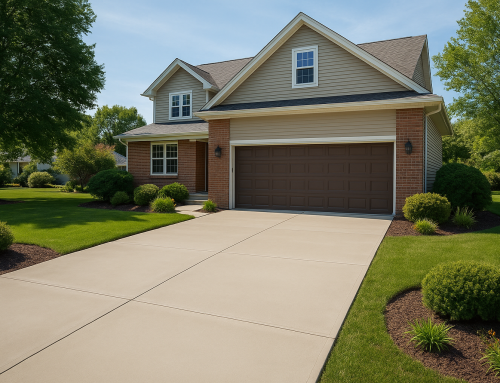
A concrete driveway needs a stable base, proper thickness, and control joints to reduce cracking. Because driveways handle regular vehicle traffic, they must be designed to support weight and resist weather exposure.
Sidewalks and Walkways
Concrete sidewalks and walkways should be level, safe, and sloped correctly for drainage. These projects often require attention to trip hazards, accessibility, and long-term durability.
Patios
A patio can be plain, stamped, stained, or broom-finished depending on the desired look. In addition to appearance, the concrete work needed includes grading the area so water drains away from the home.
Foundations and Slabs
Foundations and slabs are critical structural elements. These projects require precise planning, soil evaluation, reinforcement, and careful curing to ensure strength and stability.
Repairs and Patching
Concrete repair work may involve crack filling, resurfacing, patching spalled areas, or replacing damaged sections. The repair method depends on the size of the damage and whether the issue is cosmetic or structural.
Signs That Concrete Work Is Needed
It is not always obvious when concrete needs attention. Small problems can grow quickly if ignored. Watch for these common signs:
- Cracks that widen over time
- Uneven or sunken slabs
- Pooling water near concrete surfaces
- Chipping, flaking, or surface scaling
- Visible gaps along joints or edges
- Rust stains or exposed reinforcement
- Sections that feel unstable or hollow
If you notice any of these issues, it may be time to assess whether repair or replacement is the better option. In some cases, a minor fix is enough. In others, the underlying cause must be corrected first to prevent the problem from returning.
Planning the Concrete Work Needed
Good concrete work starts long before the truck arrives. Proper planning helps avoid delays, weak spots, and costly corrections later.
Evaluate the Site
Start with the condition of the soil, slope, drainage, and nearby structures. Soft or shifting soil may need compaction or a stronger base. Drainage problems should be corrected so water does not undermine the concrete later.
Choose the Right Mix
Not all concrete mixes are the same. The right mix depends on the project, expected load, weather exposure, and finish. A driveway mix differs from a decorative patio mix or a foundation mix.
Decide on Reinforcement
Rebar, wire mesh, or fiber reinforcement can help control cracking and improve strength. Reinforcement does not make concrete crack-proof, but it can improve performance under stress.
Plan for Joints and Drainage
Control joints help concrete crack in predictable locations. Expansion joints allow the slab to move with temperature changes. Drainage planning is equally important, especially for exterior concrete work.
Why Proper Preparation Matters
Many concrete problems start with poor preparation. If the ground is not compacted, the slab may settle unevenly. If forms are not built correctly, edges may be crooked or weak. If moisture is trapped, the surface may cure poorly or deteriorate early.
Preparation typically includes clearing the area, grading the site, compacting the base, and setting forms securely. For structural projects, inspections and permits may also be necessary. Skipping these steps can lead to expensive repairs later.
Finishing and Curing the Concrete
Once concrete is poured, the work is far from over. Finishing and curing are essential parts of the process.
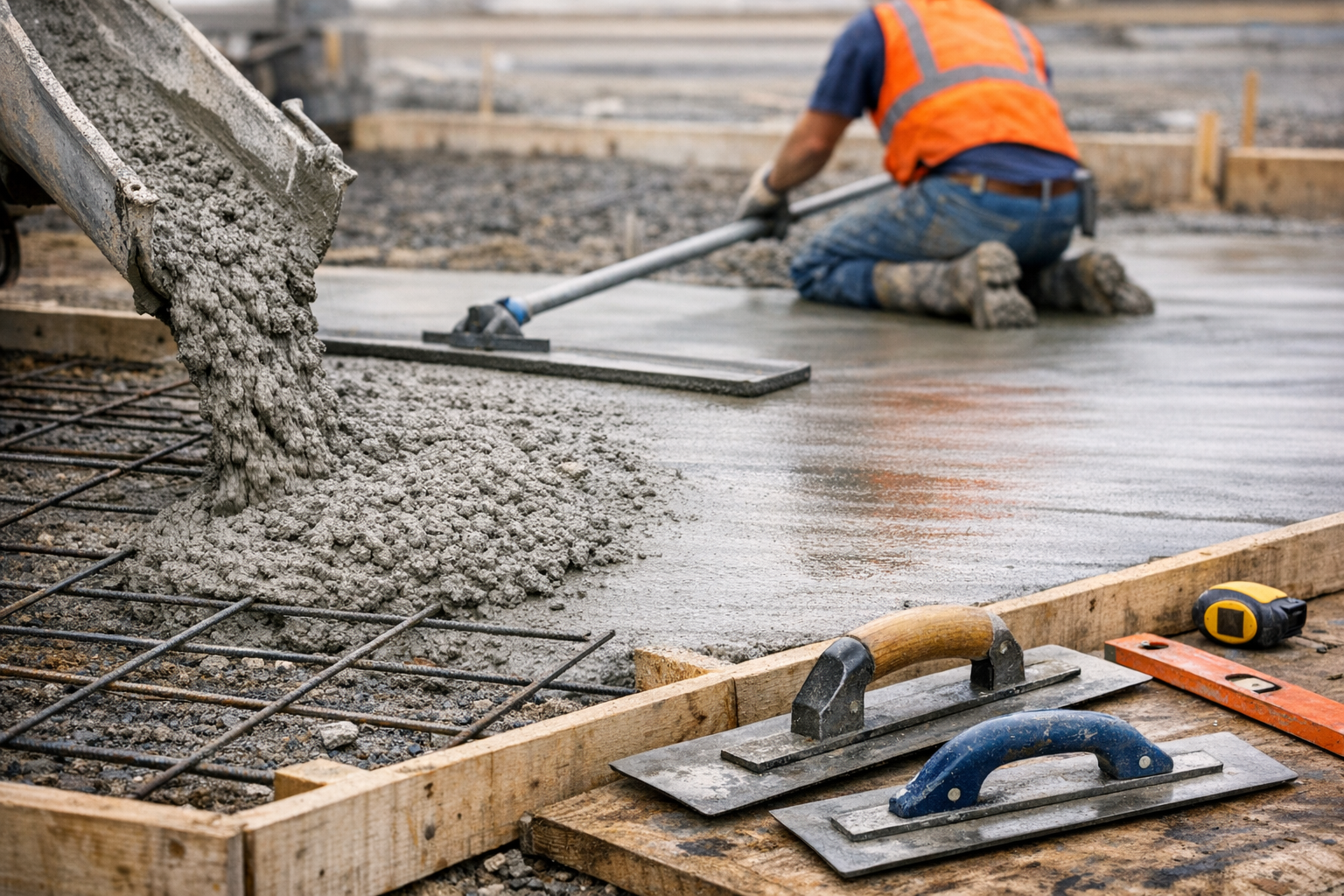
Finishing may include screeding, floating, edging, broom finishing, or applying a decorative texture. The finish affects both appearance and safety. For example, broom finishes provide better traction on outdoor surfaces.
Curing is the process of keeping concrete at the right moisture level while it gains strength. If concrete dries too quickly, it can weaken or crack. Depending on the project and weather, curing may involve covering the slab, misting it, or applying a curing compound. Even if the surface looks finished within hours, full strength takes time.
When to Repair and When to Replace
Not every damaged slab needs replacement. Small surface cracks, isolated chips, and minor settling can often be repaired. However, extensive cracking, major sinking, or structural failure may require removal and replacement.
A good rule is to look at the cause, not just the symptom. If the concrete was damaged because of soil movement, drainage issues, or heavy loads, those problems must be solved too. Otherwise, the repair may fail.
Hiring the Right Contractor
If the concrete work needed is beyond a simple patch, hiring a qualified contractor is often the smartest choice. Look for experience with the specific type of project you need, clear communication, proper licensing, and a detailed written estimate.
Ask about the base preparation, reinforcement, curing process, and timeline. A reliable contractor should be able to explain how they plan to handle each stage of the work. It is also wise to review photos of past projects and check references when possible.
Conclusion
Understanding the concrete work needed for your project helps you make better decisions from the start. From site preparation and mix selection to finishing and curing, each step plays a role in the strength and appearance of the final result. Whether you are repairing a cracked slab or installing a brand-new surface, taking the time to plan properly will lead to better, longer-lasting concrete.