Expert Concrete: What Sets Professional Concrete Work Apart
Concrete is one of the most reliable building materials in construction, but getting strong, attractive, and long-lasting results takes more than pouring and waiting for it to dry. Expert concrete work combines material knowledge, proper preparation, skilled placement, and careful finishing to create surfaces that perform well for years. Whether you are planning a driveway, patio, foundation, walkway, or commercial slab, understanding what expert concrete involves can help you make smarter decisions and avoid costly mistakes.
Why Expert Concrete Matters
Concrete is often thought of as simple, but the quality of the final product depends on many variables. Mix design, weather conditions, site preparation, reinforcement, curing, and finishing all affect strength and durability. When these steps are handled by experienced professionals, the result is a surface that resists cracking, handles heavy loads, and maintains its appearance over time.
Expert concrete work also saves money in the long run. Poorly installed concrete can lead to uneven settling, surface scaling, water damage, and premature replacement. By contrast, a properly planned and executed project reduces maintenance and helps protect your investment.
Key Elements of Expert Concrete Work
1. Proper Site Preparation
Every successful concrete project starts with the ground beneath it. The subgrade must be properly graded, compacted, and stabilized so the slab has a firm, even base. If the soil shifts or settles after the concrete is placed, cracks and dips are likely to form.
Professional concrete crews also pay attention to drainage. Water should move away from the slab rather than pooling underneath or around it. Good drainage helps prevent erosion, freeze-thaw damage, and long-term structural issues.
2. Correct Mix Design
Not all concrete is the same. The ideal mix depends on the project type, expected load, climate, and finishing requirements. A driveway, for example, may need a different mix than a decorative patio or a commercial floor.
Expert concrete contractors understand how to balance strength, workability, and setting time. They also know when to use additives such as air entrainment, accelerators, or plasticizers to improve performance in specific conditions.
3. Reinforcement and Joint Planning
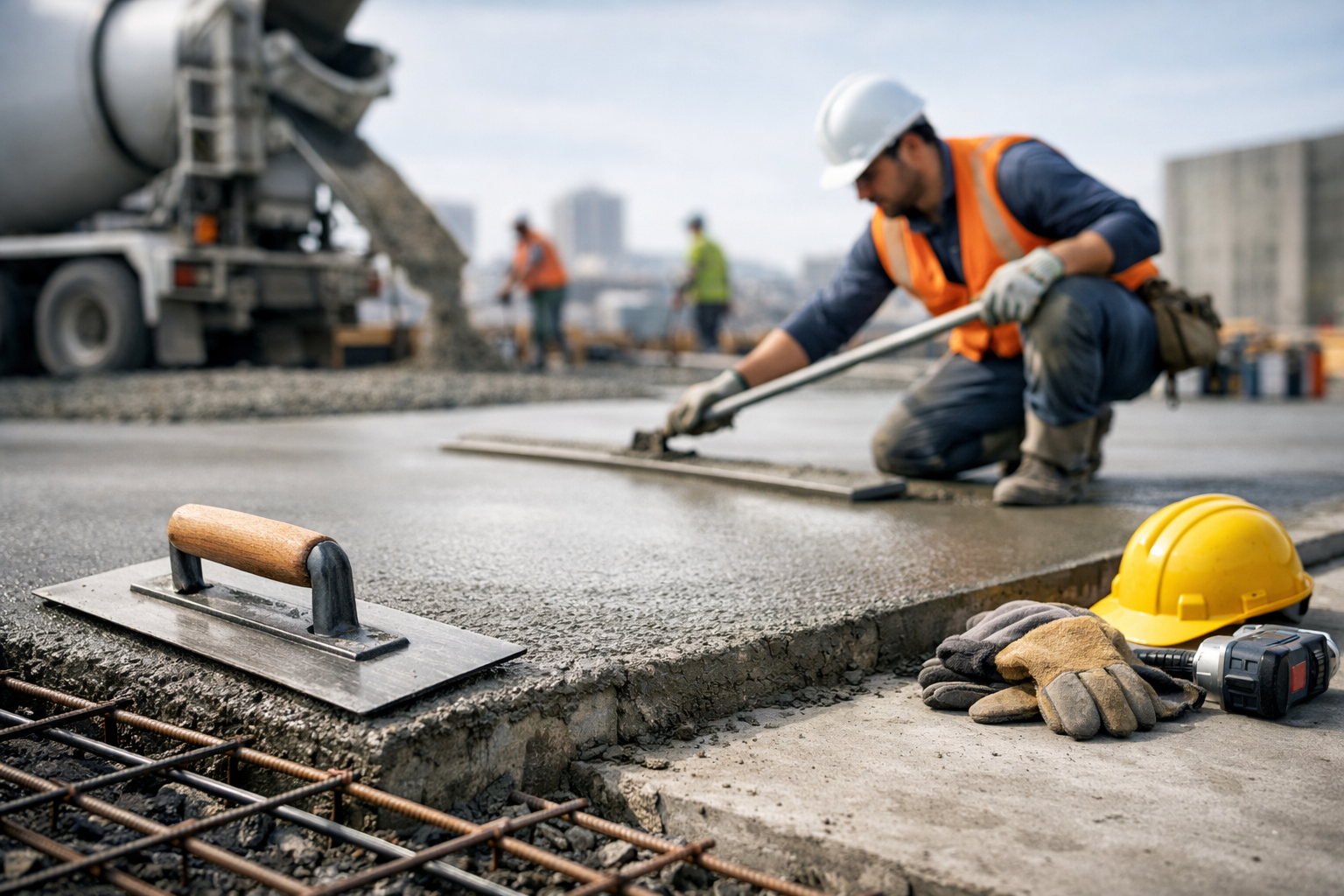
Reinforcement helps concrete withstand tension and movement. Depending on the application, this may include rebar, wire mesh, or fiber reinforcement. While reinforcement does not prevent all cracking, it can help control crack width and improve structural integrity.
Joint placement is equally important. Expansion joints and control joints give concrete a planned place to move and crack in a controlled way. Expert installers know how to position these joints for both function and appearance.
4. Skilled Placement and Finishing
Once concrete arrives on site, timing matters. Professionals place and level the concrete efficiently to avoid cold joints and inconsistent texture. Then they use the right finishing techniques to achieve the desired surface quality.
A smooth indoor slab, a broom-finished walkway, and a decorative stamped patio each require different methods. Skilled finishing improves traction, appearance, and durability. It also helps prevent issues like surface dusting, over-troweling, or trapped water that can weaken the top layer.
5. Careful Curing
Curing is one of the most overlooked parts of a concrete project, yet it is essential for strength development. Concrete needs moisture and time to properly hydrate. If it dries too quickly, it can shrink excessively and crack.
Expert concrete crews use curing compounds, plastic sheeting, wet coverings, or other methods to retain moisture. Proper curing leads to better hardness, reduced cracking, and improved surface durability.
Common Applications for Expert Concrete
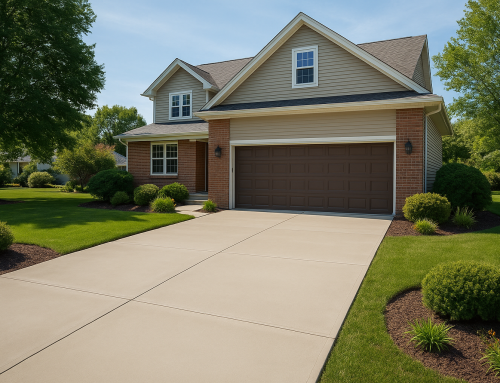
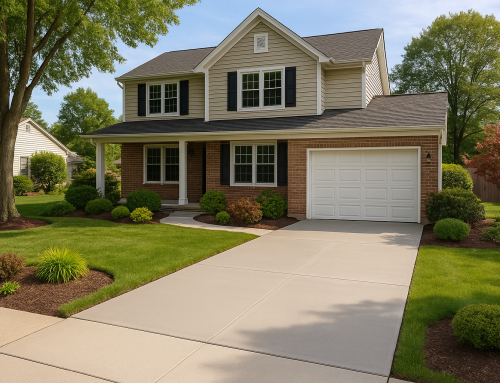
Expert concrete services are used in both residential and commercial projects. Homeowners often need driveways, sidewalks, garage floors, patios, pool decks, and foundations. Businesses may require loading docks, warehouse floors, parking lots, retaining walls, and structural slabs.
Decorative concrete is another growing area. Stamped, stained, polished, and exposed aggregate finishes allow property owners to combine performance with style. These applications demand even more precision, since appearance is just as important as strength.
Benefits of Hiring an Expert Concrete Contractor
Working with a knowledgeable contractor offers several advantages:
- Better durability: Proper materials and methods create stronger concrete.
- Improved appearance: Clean edges, consistent finishes, and neat joints enhance curb appeal.
- Reduced maintenance: Quality installation helps prevent early repairs.
- Accurate scheduling: Experienced teams know how to work efficiently without sacrificing quality.
- Code compliance: Professional contractors understand local building requirements and industry standards.
Hiring an expert also gives you peace of mind. Instead of worrying about whether the slab was properly prepared or cured, you can trust that the job was handled with care from start to finish.
How to Choose the Right Concrete Professional
Choosing the right contractor is just as important as choosing the right materials. Look for a company with proven experience in the type of project you need. Ask to see photos of completed work, request references, and verify licensing and insurance.
It is also wise to discuss the project details before work begins. A good contractor should explain the mix, reinforcement, joint layout, curing approach, and timeline. Clear communication is often a sign of true expertise.
Be cautious of unusually low bids. In concrete work, a lower price can sometimes mean thinner slabs, weaker mixes, or shortcuts in preparation and finishing. The cheapest option is not always the most cost-effective one.
Maintaining Concrete After Installation
Even expert concrete benefits from regular care. Simple maintenance steps can extend the life of your surface and keep it looking its best. Sweep away dirt and debris, clean spills quickly, and avoid using harsh chemicals that can damage the finish.
For outdoor concrete, sealing can help protect against moisture, stains, and freeze-thaw cycles. In areas with heavy use, periodic inspections can catch small issues before they become major problems. Prompt crack repair and resealing can make a big difference over time.
Conclusion
Expert concrete is about more than pouring a slab. It requires planning, technical knowledge, and skilled workmanship at every stage of the process. From site preparation and mix selection to finishing and curing, each step plays a role in the final outcome. When done right, concrete becomes a durable, functional, and attractive part of your property for many years to come.