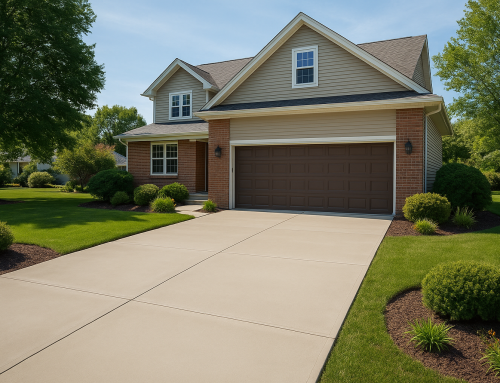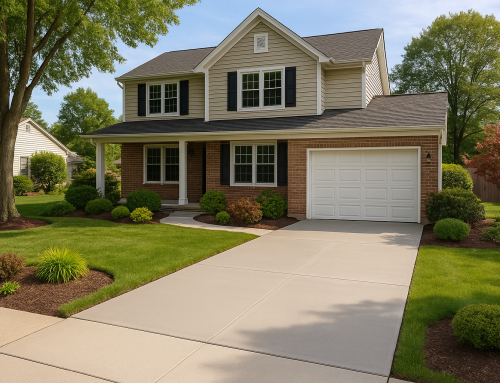
Concrete driveway work is one of the most practical upgrades you can make to your home. A well-built concrete driveway adds curb appeal, improves everyday usability, and can last for decades when it is installed and maintained properly. Whether you are replacing an old surface or planning a new driveway from scratch, understanding the process helps you make better decisions and avoid costly mistakes.
Below is a clear guide to the main stages of concrete driveway work, what affects quality and cost, and how to keep your driveway looking good long after the pour is finished.
Why Choose Concrete for a Driveway?
Concrete remains one of the most popular driveway materials because it offers a strong balance of durability, appearance, and long-term value. Compared with gravel or asphalt, concrete usually provides a cleaner finish and requires less frequent resurfacing.
It also performs well under the weight of vehicles when installed correctly. For homeowners who want a low-maintenance surface that looks neat and works in a wide range of climates, concrete is often the best choice.
Key benefits of concrete driveways
- Long lifespan: A properly installed driveway can last 25 years or more.
- Low maintenance: Basic cleaning and occasional sealing can go a long way.
- Attractive finish: Concrete can be plain, stamped, colored, or brushed for a custom look.
- Strong load-bearing support: Ideal for cars, trucks, and daily traffic.
Planning the Project
Good concrete driveway work starts with careful planning. Before any digging or pouring takes place, the installer needs to evaluate the site, measure the space, and determine the correct driveway layout. This step is essential because the quality of the base and drainage can affect the performance of the entire driveway.
Homeowners should also think about driveway width, slope, turning space, and how the driveway connects to the street or garage. If the driveway needs to support heavier vehicles, such as RVs or work trucks, the design may need additional reinforcement.
Important planning considerations
- Permits and local codes: Some areas require approval before driveway work begins.
- Drainage: Water should move away from the house and not pool on the surface.
- Thickness: Residential driveways are often 4 inches thick, but heavier use may require more.
- Reinforcement: Wire mesh or rebar can help improve strength and reduce cracking.
The Concrete Driveway Installation Process
While every job is slightly different, most concrete driveway work follows a similar process. Each step matters, and shortcuts can affect the final result. A properly prepared base and a well-timed pour are just as important as the finish itself.
1. Removing the old surface
If there is an existing driveway, it must usually be broken up and removed. Contractors may use heavy equipment to haul away old concrete, asphalt, or other materials. This creates a clean area for the new installation.
2. Preparing the subgrade
The ground underneath the driveway is graded and compacted to create a stable foundation. Poor soil preparation can lead to settling, cracking, or uneven surfaces later on. In many cases, a gravel base is added for better drainage and support.
3. Forming the driveway
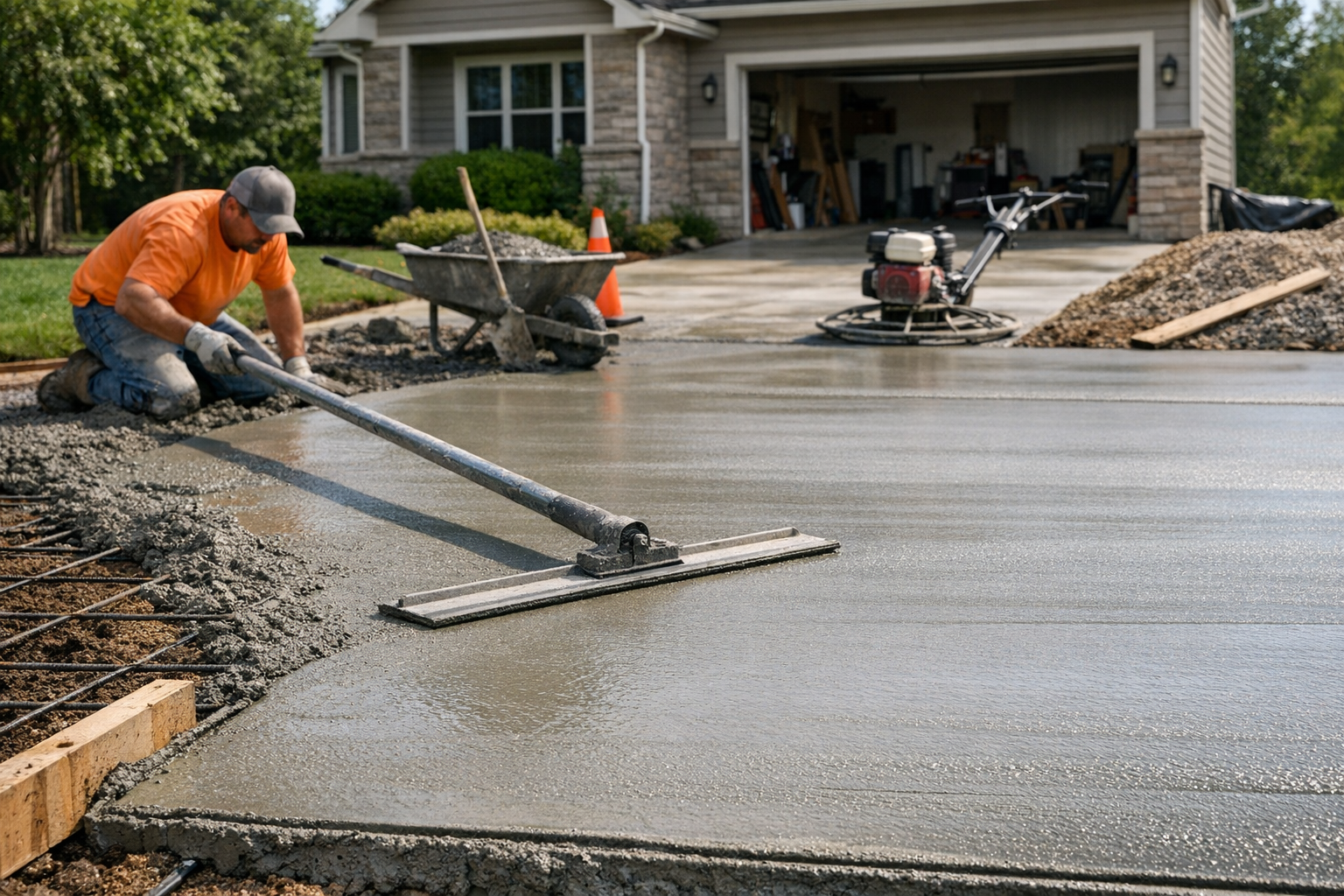
Wood or metal forms are placed around the edges to define the shape and height of the driveway. These forms help keep the concrete in place while it is poured and set.
4. Pouring and finishing the concrete
Once the forms are ready, the concrete is poured, spread evenly, and leveled. Workers then finish the surface based on the desired texture. A brushed finish is common for driveways because it provides traction, especially in wet conditions. Decorative options such as stamping or coloring may also be added.
5. Cutting control joints
Control joints are placed in the concrete to guide natural cracking. Since concrete expands and contracts with temperature changes, these joints help keep cracks controlled and less noticeable.
6. Curing the concrete
Curing is one of the most important parts of concrete driveway work. Even after the surface looks dry, concrete continues to harden and gain strength over time. A proper curing period helps improve durability and reduce the risk of early damage.
Common Problems to Avoid
Many driveway issues come from rushed installation or poor preparation. Knowing the most common problems can help you ask better questions and choose a qualified contractor.
- Weak base preparation: If the soil is not compacted, the driveway may sink or crack.
- Incorrect slope: Bad drainage can lead to standing water and surface damage.
- Pouring in poor weather: Extreme heat, rain, or freezing temperatures can affect results.
- Driving on too soon: Concrete needs time to cure before it can handle vehicle weight.
Maintenance Tips for a Longer-Lasting Driveway
Once your driveway is installed, a little maintenance will help preserve its appearance and performance. Concrete is durable, but it is not completely maintenance-free.
Start by keeping the surface clean. Sweep away dirt, leaves, and debris, and wash off oil or chemical spills as soon as possible. Sealing the driveway every few years can help protect it from moisture, stains, and surface wear. In colder climates, avoid harsh de-icing products that may damage the concrete over time.
It is also wise to inspect the driveway regularly for small cracks or edge damage. Catching minor issues early can prevent larger repairs later.
What Affects the Cost of Concrete Driveway Work?
The cost of concrete driveway work can vary widely depending on several factors. The size of the driveway is the biggest influence, but other details matter too. Site access, excavation needs, decorative finishes, reinforcement, and local labor rates can all affect the final price.
A basic driveway with a standard finish will usually cost less than a stamped or colored driveway. Likewise, if the old driveway must be removed or the ground requires extensive grading, the total cost will increase.
Because of these variables, it is smart to request a detailed estimate from a contractor. A good quote should explain labor, materials, preparation, finishing, and any optional features.
Choosing the Right Contractor
Hiring the right contractor makes a major difference in the outcome of your project. Look for a company with experience in concrete driveway work, a strong local reputation, and proof of insurance. It is also helpful to ask for photos of past projects or references from recent clients.
During the estimate process, pay attention to how clearly the contractor explains the work. A professional should be able to discuss base preparation, concrete thickness, reinforcement, drainage, and curing without hesitation. Clear communication before the job starts often leads to fewer surprises later.
Conclusion
Concrete driveway work is a smart investment when it is planned carefully and installed correctly. From site preparation and pouring to curing and maintenance, every step affects the driveway’s strength, appearance, and lifespan. With the right contractor and a solid plan, you can enjoy a driveway that performs well and adds value to your home for years to come.