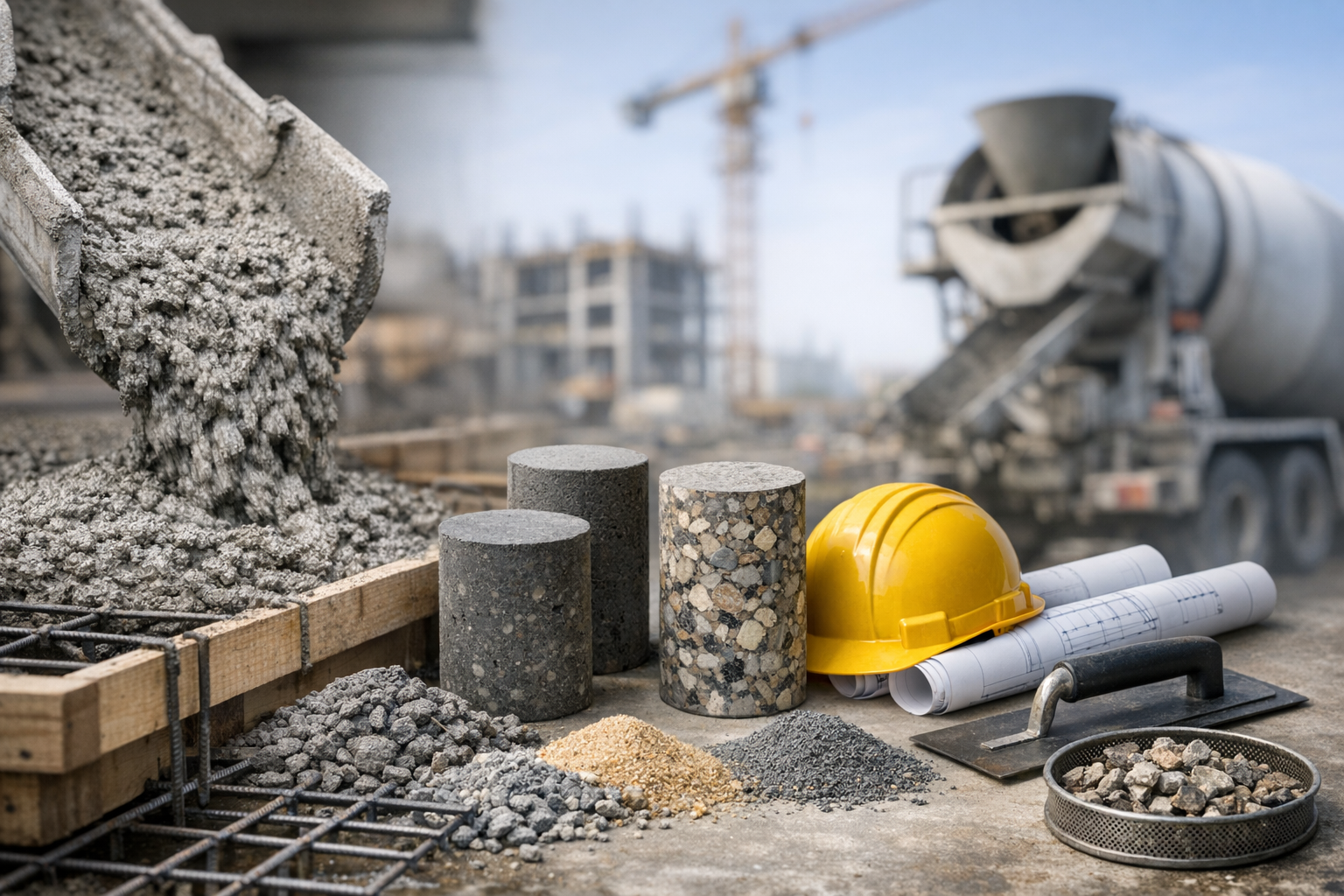
Concrete is one of the most important building materials in modern construction, but not all concrete performs the same. When a project calls for strength, durability, and a clean finish, top tier concrete becomes the smart choice. It is designed to meet demanding conditions, support heavy loads, and deliver long-term value with fewer repairs and less maintenance over time.
Whether you are planning a driveway, foundation, commercial slab, retaining wall, or decorative hardscape, understanding what makes concrete “top tier” can help you make better decisions. In this guide, we will break down the qualities, benefits, uses, and selection tips for top tier concrete so you know what to expect from a high-performance mix.
What Is Top Tier Concrete?
Top tier concrete refers to a premium-quality concrete mix that is engineered for superior performance. It typically offers better compressive strength, improved workability, enhanced durability, and greater resistance to cracking, moisture, and wear than standard mixes. In many cases, it is also tailored to meet specific project requirements such as fast curing, high traffic loads, or exposure to harsh weather.
Instead of using a one-size-fits-all approach, top tier concrete is formulated with careful attention to the ratio of cement, water, aggregates, and admixtures. This balance helps the material set properly while maintaining strength and consistency throughout the structure.
Why Top Tier Concrete Stands Out
Not every concrete mix is built for the same conditions. A basic residential patio may not require the same performance as a warehouse floor or bridge support. Top tier concrete stands out because it is designed to handle demanding environments without sacrificing quality.
1. Superior Strength
One of the biggest advantages of top tier concrete is its strength. Higher compressive strength means the material can support more weight and resist structural stress more effectively. This is especially important for foundations, parking areas, industrial flooring, and structural elements.
2. Better Durability
Durability matters just as much as strength. Top tier concrete is built to resist weathering, freeze-thaw cycles, chemical exposure, and everyday abrasion. This makes it a dependable choice for outdoor and high-traffic applications.
3. Improved Cracking Resistance
Concrete naturally shrinks and expands with temperature changes, but premium mixes can help reduce the risk of premature cracking. With the right mix design and proper installation, top tier concrete maintains its appearance and structural integrity longer.
4. Enhanced Finish Quality
For projects where appearance matters, top tier concrete often provides a smoother, more consistent finish. That makes it a strong option for exposed surfaces, decorative work, stamped concrete, and polished floors.
Common Uses for Top Tier Concrete
Because it performs well in demanding settings, top tier concrete is used in a wide range of applications. Here are some of the most common:
Residential Projects
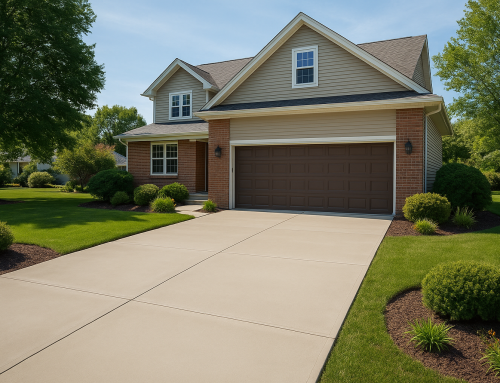
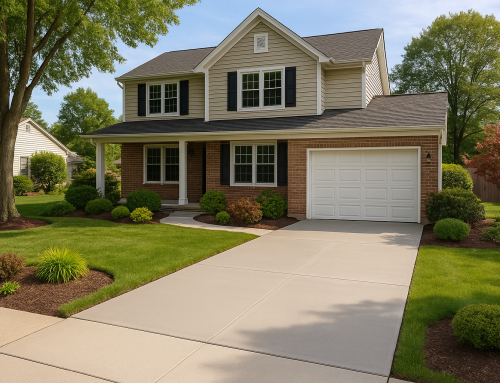
Homeowners often choose top tier concrete for driveways, garage floors, walkways, patios, and foundations. These areas need long-lasting performance and resistance to weather and heavy use.
Commercial and Industrial Projects
Commercial buildings, warehouses, loading docks, and industrial floors often rely on premium concrete to handle forklifts, equipment, and constant traffic. A high-quality mix can reduce downtime and maintenance costs over time.
Decorative and Architectural Work
Top tier concrete is also used for stamped surfaces, exposed aggregate, countertops, and other design-focused projects. A refined mix helps achieve a better look while maintaining strength.
Infrastructure and Structural Elements
Bridges, retaining walls, support columns, and other structural components often require specialized concrete that can meet strict engineering specifications. In these cases, performance is essential.
What Makes a Concrete Mix “Top Tier”?
A premium concrete mix is more than just stronger cement. Several factors contribute to its overall quality and performance.
Quality Materials
High-grade cement, clean aggregates, and properly sourced materials help ensure consistency and reliability. Poor-quality ingredients can weaken the final result, no matter how well the mix is installed.
Correct Water-to-Cement Ratio
Water is necessary for concrete to set, but too much water can reduce strength and increase the chance of cracking. Top tier concrete is carefully mixed to maintain the right balance.
Admixtures and Additives
Admixtures can improve workability, slow or speed curing, increase strength, reduce permeability, and enhance resistance to environmental damage. These additives are often what separate premium concrete from standard options.
Proper Curing
Even the best concrete mix needs proper curing to reach its full potential. Curing allows moisture to stay in the slab long enough for the concrete to gain strength and durability. Skipping this step can reduce performance significantly.
Benefits of Choosing Top Tier Concrete
Investing in high-quality concrete often pays off in both the short and long term. Here are some of the main benefits:
- Longer service life: A premium mix can last for decades when installed properly.
- Lower maintenance: Fewer cracks and less wear mean fewer repairs.
- Better appearance: High-quality concrete delivers a more attractive finish.
- Greater reliability: It performs more consistently under pressure and in harsh conditions.
- Improved value: While initial costs may be higher, long-term savings can make it a better investment.
How to Choose the Right Top Tier Concrete for Your Project
Selecting the right mix depends on the type of project, the climate, and the load the concrete must support. A residential patio may need a different specification than a commercial slab or structural footing. That is why it is important to work with a knowledgeable concrete supplier or contractor who understands your goals.
When evaluating options, ask about:
- Required compressive strength
- Exposure to moisture, salt, or chemicals
- Expected traffic or load demands
- Finish requirements
- Curing time and weather conditions during installation
It is also wise to plan ahead for reinforcement, drainage, and surface sealing. Even top tier concrete performs best when the entire installation is handled with care from the start.
Final Thoughts on Top Tier Concrete
Top tier concrete is a worthwhile choice when strength, durability, and appearance all matter. From residential improvements to major commercial construction, a premium mix can deliver lasting results and reduce costly problems down the road. By choosing the right formulation and ensuring proper installation, you set your project up for long-term success.
When quality matters most, top tier concrete gives you the dependable foundation you need.