Concrete is one of the most durable building materials available, but that does not mean it is always ready to use on its own. In many projects, concrete serves as the base layer for flooring, patios, driveways, countertops, and decorative finishes. “Over concrete” refers to the process of applying, installing, or finishing a new material or treatment on top of an existing concrete surface. Done correctly, this approach can improve appearance, increase functionality, and extend the life of the structure beneath it.
What Does “Over Concrete” Mean?
When people talk about working over concrete, they usually mean any new layer, coating, or surface installed above an existing concrete slab. This could include tile, carpet, epoxy, stamped overlays, laminate flooring, self-leveling compounds, waterproof membranes, or even new concrete resurfacing products. The goal is often to hide damage, update the look of the space, or create a more comfortable and usable surface.
Because concrete is rigid and porous, it requires the right preparation before anything is added on top. Moisture levels, cracks, cleanliness, and surface texture all play a role in how well the new material will bond and perform.
Why Work Over Concrete?
Using an existing concrete slab as a base can save time and money compared with tearing it out and starting over. It can also be a practical solution when the slab is structurally sound but visually outdated or slightly worn. Here are some common reasons property owners choose to work over concrete:
- Cost savings: Installing over an existing slab is often less expensive than demolition and replacement.
- Faster installation: A sound concrete base reduces project time.
- Improved appearance: Surface coatings and coverings can completely refresh the look of a room or outdoor area.
- Added comfort: Some coverings provide warmth, cushioning, or noise reduction.
- Better performance: Certain systems add slip resistance, waterproofing, or chemical resistance.
Common Materials and Applications
There are many ways to finish or cover a surface over concrete, and the best choice depends on the location and intended use.
Flooring Over Concrete
Interior floors are one of the most common uses for concrete as a base. Tile, luxury vinyl plank, engineered wood, carpet, and laminate can all be installed over a properly prepared slab. In basements and ground-level rooms, moisture protection is especially important. A vapor barrier or underlayment may be needed to help prevent damage over time.
Coatings and Overlays
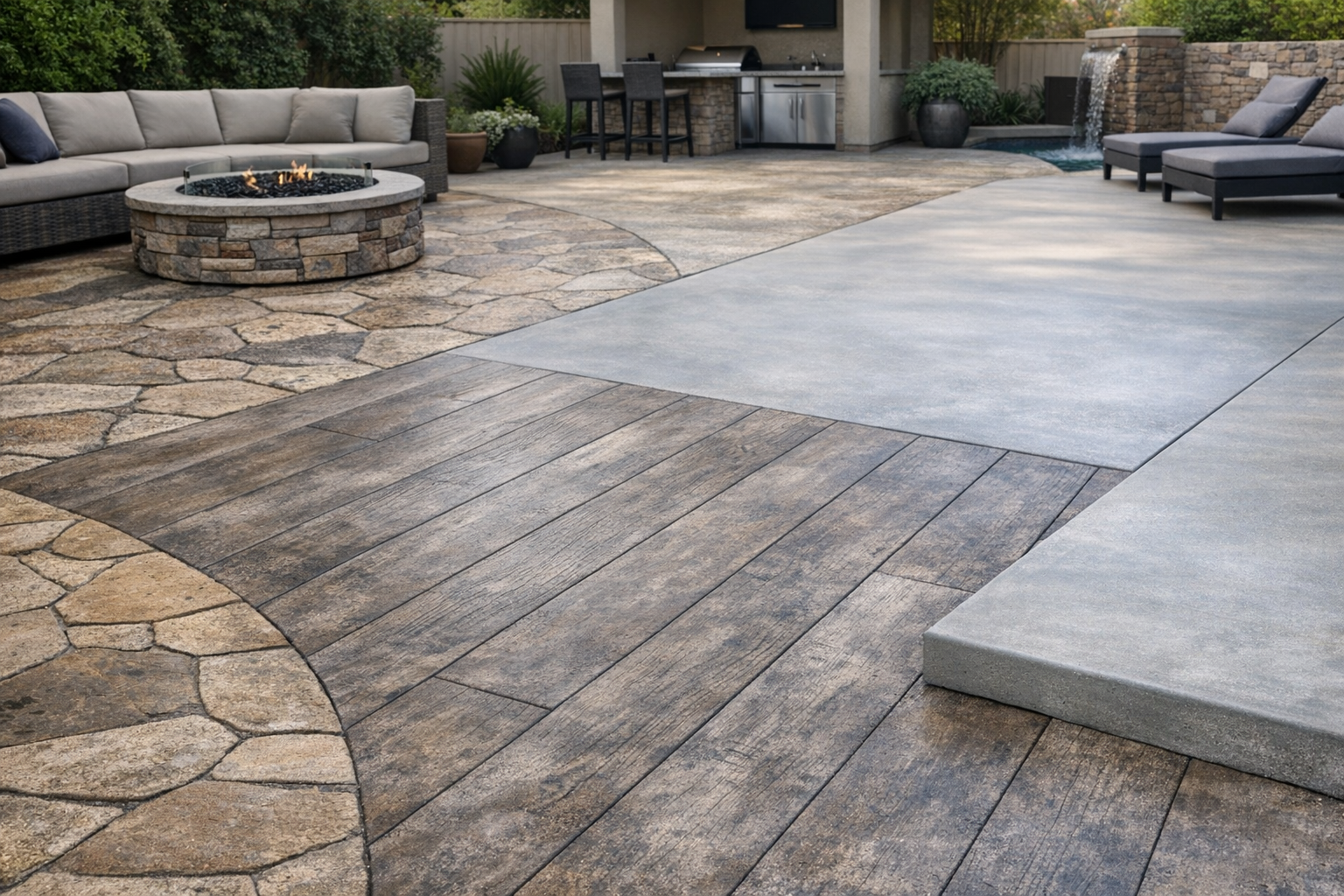
Epoxy coatings, polished concrete systems, and decorative overlays are popular options for garages, workshops, commercial spaces, and patios. These treatments can improve durability while adding color, texture, and design appeal. Thin concrete overlays are especially useful for repairing minor surface imperfections without replacing the entire slab.
Outdoor Surfaces
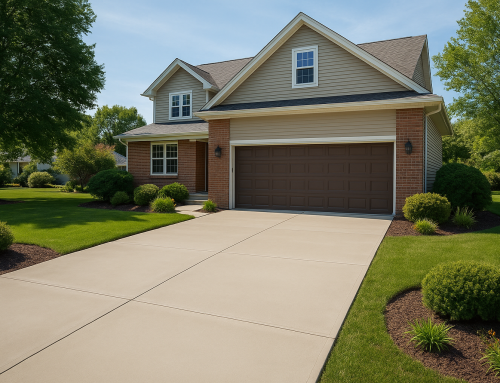
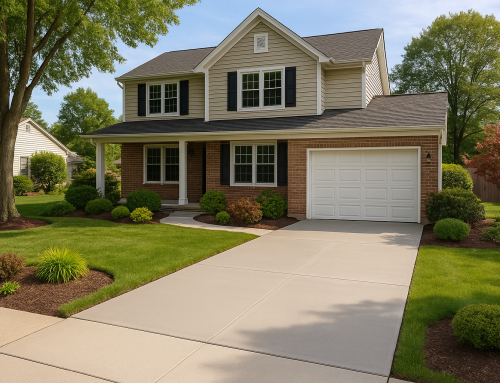
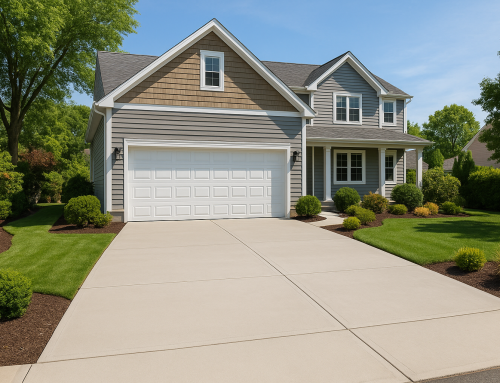
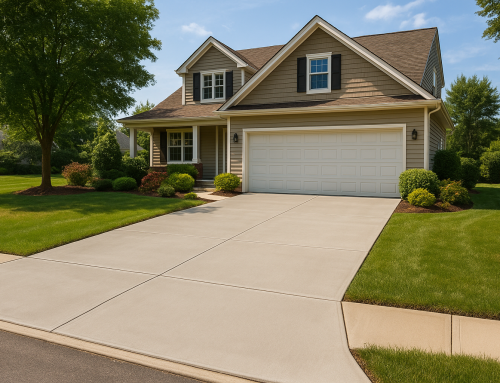
Patios, pool decks, walkways, and driveways often benefit from resurfacing or coating systems over concrete. These applications may include stamped overlays, non-slip sealers, or concrete stains. Outdoor projects must be chosen carefully to withstand weather changes, UV exposure, and freeze-thaw cycles.
Preparation Is the Key to Success
No matter what is being installed over concrete, preparation is critical. A beautiful new surface can fail quickly if the base is dirty, unstable, or too damp. Proper prep typically includes:
- Cleaning away dust, grease, paint, and debris
- Repairing cracks, holes, and spalling
- Checking for moisture issues
- Grinding or etching the surface if adhesion is needed
- Leveling uneven areas when necessary
It is also important to understand whether the concrete is new or existing. Fresh concrete often needs time to cure before coverings or coatings can be applied. If the slab is already installed, testing for moisture and stability helps avoid future problems such as peeling, warping, or mold growth.
Benefits of Choosing the Right System
The right product or material can make a major difference in the final result. For example, a garage floor may need a tough epoxy finish that resists stains and hot tire pickup, while a living room floor may require a moisture-resistant underlayment and a quieter, softer finish. Outdoor concrete may need UV-stable coatings and textured surfaces for safety.
Choosing the correct system over concrete offers several benefits:
- Longer lifespan: Properly installed finishes last longer and perform better.
- Lower maintenance: Sealed or coated surfaces are easier to clean.
- Greater design flexibility: Concrete can be transformed into a modern or decorative base.
- Improved safety: Slip-resistant and level surfaces reduce hazards.
Common Mistakes to Avoid
Working over concrete may seem straightforward, but several mistakes can lead to poor results. One of the most common is failing to address moisture. Concrete naturally absorbs and releases moisture, and trapped moisture can damage flooring adhesives, coatings, and underlayments.
Another mistake is ignoring cracks or movement in the slab. If the base is shifting, the finish on top may crack or separate. In addition, using the wrong material for the environment can create problems. For example, a product designed for indoor use may not hold up outdoors, and a decorative finish may not be durable enough for a high-traffic area.
Skipping surface preparation is another major issue. Even the best product will struggle to bond to a dusty, oily, or uneven slab.
When to Call a Professional
Some smaller projects can be handled by experienced homeowners, but larger or more technical jobs are often best left to professionals. If the concrete has serious cracks, moisture problems, major unevenness, or signs of structural damage, expert evaluation is important. A professional can recommend the right repair methods and surface system for the conditions at hand.
Professional help is also valuable when the project requires precise leveling, specialty coatings, or decorative finishes that need careful installation. In many cases, expert workmanship can save time and reduce the risk of costly mistakes.
Conclusion
Working over concrete is a practical way to improve an existing surface without replacing the slab underneath. Whether the goal is better appearance, added durability, or improved comfort, success depends on proper preparation and selecting the right system for the space. With the right approach, concrete can become the foundation for a long-lasting and attractive finish.