
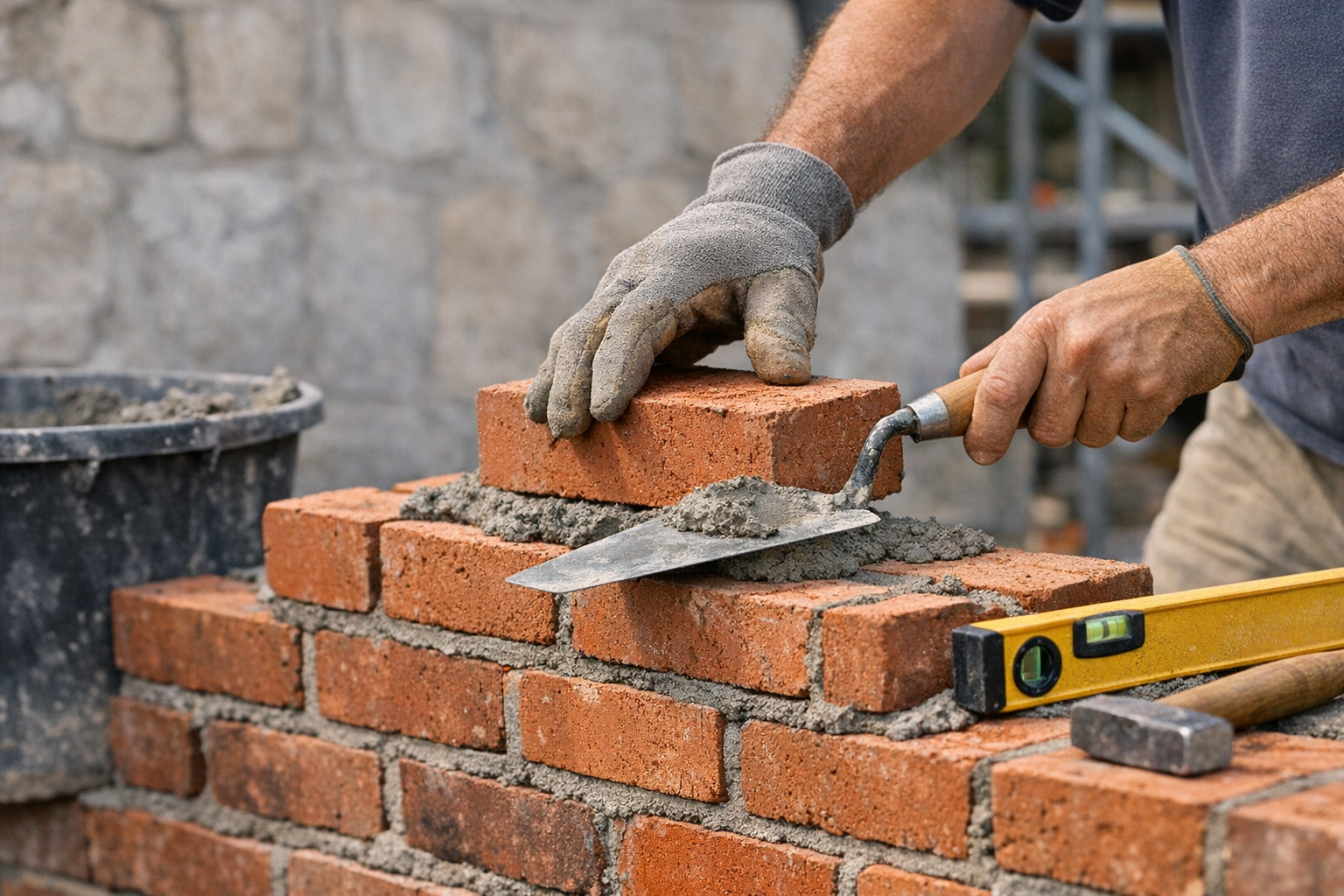
Reliable masonry is more than attractive brickwork or a neatly laid stone wall. It is the combination of skilled craftsmanship, quality materials, and careful installation that helps a structure stand up to weather, wear, and time. Whether you are planning a new patio, repairing a chimney, or restoring a historic façade, choosing reliable masonry work can make the difference between a project that lasts decades and one that starts failing within a few seasons.
What Makes Masonry Reliable?
Reliable masonry begins with proper planning and execution. Masonry materials such as brick, stone, concrete block, and mortar all have different strengths, and they must be matched correctly to the project. A dependable masonry installation accounts for structural needs, drainage, expansion, and local climate conditions. When these factors are ignored, cracks, shifting, and moisture issues are far more likely.
Another key part of reliability is workmanship. Masonry should be laid evenly, with consistent joints and proper alignment. Mortar should be mixed correctly and applied at the right thickness. Foundations, footings, and support structures must be prepared so the finished work has a stable base. In short, reliable masonry is built on precision, not guesswork.
Why Quality Materials Matter
Even the best craftsman cannot create lasting results with poor materials. Reliable masonry depends on products that are appropriate for the environment and purpose of the project. For example, exterior brickwork exposed to freeze-thaw cycles needs materials that can handle moisture and temperature changes without breaking down. Interior decorative stone may not need the same durability, but it still should be installed with care.
Mortar is especially important. The wrong mortar mix can lead to weak joints, water penetration, or damage to older masonry units. In restoration work, using a mortar that is too hard can cause historic bricks or stones to crack instead of allowing the joint to absorb stress. Reliable masonry professionals know how to choose materials that support both performance and appearance.
Common Signs of Reliable Masonry Work
Even lines and consistent joints
One of the easiest ways to spot quality masonry is by looking at the pattern and spacing. Bricks or stones should be level, plumb, and consistently aligned. Mortar joints should be uniform in width and neatly finished. Uneven lines often point to rushed work or poor preparation.
Strong resistance to moisture
Good masonry should shed water effectively and prevent it from getting trapped inside the structure. Proper flashing, drainage, weep holes, and sealants all help protect the installation. If water enters the wall or base repeatedly, the masonry may suffer from staining, efflorescence, or structural deterioration.
No visible separation or cracking
Some small cracks can occur naturally over time, but reliable masonry should not show major gaps, bulges, or shifting shortly after installation. These issues can indicate foundation movement, poor support, or improper material selection. Quality work is designed to remain stable under normal conditions.
Reliable Masonry in New Construction
In new construction, reliability starts before the first brick is laid. The foundation must be properly sized and reinforced, and the mason should understand how the masonry will connect to the rest of the structure. Expansion joints may be necessary to allow movement without cracking. In many cases, attention to hidden details is just as important as the visible finish.
Reliable masonry in new construction also means planning for the long term. Builders should think about weather exposure, maintenance needs, and how the material will age. A well-built wall, retaining structure, or chimney should not only look good on day one, but remain dependable for years.
Reliable Masonry Repair and Restoration
Older masonry often requires repair rather than replacement. Reliable masonry repair focuses on preserving the integrity of the original structure while addressing damage safely. This may include tuckpointing, brick replacement, repointing mortar joints, sealing cracks, or rebuilding weakened sections.
Restoration work is especially demanding because it must respect the original materials and construction methods. A reliable masonry contractor will inspect the structure carefully, identify the underlying cause of damage, and recommend repairs that solve the problem rather than covering it up. Cosmetic fixes may look acceptable at first, but lasting results require more than surface treatment.
How to Choose a Reliable Masonry Contractor
Selecting the right contractor is one of the most important steps in any masonry project. Start by looking for experience with the specific type of work you need. A contractor who excels at decorative stone patios may not be the best choice for chimney restoration or structural block repair. Ask to see examples of past work and check whether the company has experience with similar materials and conditions.
It also helps to ask questions about the process. A reliable masonry contractor should be able to explain how the project will be prepared, what materials will be used, and how moisture and movement will be addressed. Clear communication, detailed estimates, and realistic timelines are signs of professionalism. References and reviews can also provide helpful insight into consistency and customer satisfaction.
Maintenance Helps Masonry Stay Reliable
Even the most reliable masonry benefits from routine care. Simple maintenance can help prevent small problems from becoming expensive repairs. Homeowners and property managers should inspect masonry for cracking, loose mortar, staining, or signs of water entry. Gutters and downspouts should direct water away from masonry surfaces, and vegetation should be kept from growing too close to walls or foundations.
Repointing worn joints, sealing where appropriate, and addressing drainage problems early can extend the life of masonry significantly. Reliable masonry is not just about the day it is installed; it is also about how well it is maintained over time.
Conclusion
Reliable masonry combines solid materials, skilled workmanship, and thoughtful maintenance to create structures that last. From new construction to repairs and restorations, the best masonry work is built to withstand daily use and changing weather while maintaining its strength and appearance. By choosing experienced professionals and paying attention to quality at every stage, you can invest in masonry that remains dependable for years to come.