Understanding What “I Need Concrete Work Done” Can Include
When you say, “I need concrete work done,” the project could be as simple as a small repair or as large as a full installation. Concrete services cover a wide range of jobs, including driveways, sidewalks, patios, garage floors, slabs, foundations, steps, retaining walls, curbs, and decorative concrete. Each project has different planning needs, materials, and timelines, so the first step is identifying exactly what you want completed.
For example, a cracked driveway may need partial removal and replacement, while a new patio may require grading, formwork, reinforcement, and finishing. If the work involves a foundation or structural slab, it is especially important to hire a contractor with the right experience and permits. Clear project goals help you get accurate quotes and avoid delays.
Common Reasons People Need Concrete Work Done
Homeowners and business owners often need concrete work done for a few common reasons. Some want to improve curb appeal with a new walkway or stamped patio. Others need to fix damage caused by age, weather, heavy vehicles, or shifting soil. Many projects are part of a remodel, addition, or property upgrade. In every case, the key is choosing the right type of concrete solution for the job.
How to Prepare Before Hiring a Concrete Contractor
Before you start calling contractors, take a few minutes to prepare. Measure the area if possible, take photos of the existing condition, and write down what you want changed. Think about practical details such as drainage, access to the site, finish type, and whether the project needs demolition first. The more information you can provide, the easier it will be to compare bids and get realistic recommendations.
You should also decide on your priorities. Are you focused on durability, appearance, budget, or speed? A basic broom-finished slab may cost less than a decorative stamped surface, but both can be excellent choices depending on the property. Knowing your priorities helps contractors suggest the most suitable options.
Questions to Ask During the Estimate
When a contractor visits the site, ask direct questions. How long have they been doing concrete work? Do they handle permits and inspections? What type of reinforcement do they use? How will they prepare the base? What is included in the estimate? Are cleanup and demolition part of the price? A trustworthy contractor should answer clearly and explain the process in plain language.
What to Look for in a Concrete Professional
Not all concrete contractors offer the same level of skill. Look for a company with experience in the exact type of project you need. Someone who pours decorative patios may not be the best choice for foundation repair. Review photos of completed projects, check customer reviews, and confirm that the contractor is licensed and insured where required. These steps help protect your investment and reduce the chance of costly mistakes.
It is also wise to ask how they handle scheduling and communication. Good contractors provide updates, show up on time, and explain any issues before they become bigger problems. Concrete work can be affected by weather, material delivery, and curing time, so reliable communication matters.
Red Flags to Avoid
Be cautious if a contractor gives a very low estimate without inspecting the site, asks for a large upfront payment, or cannot provide references. Vague answers about materials, warranties, or timelines are another warning sign. Quality concrete work requires proper preparation, and skipping steps often leads to cracks, uneven surfaces, or drainage problems later on.
Key Steps in a Typical Concrete Project
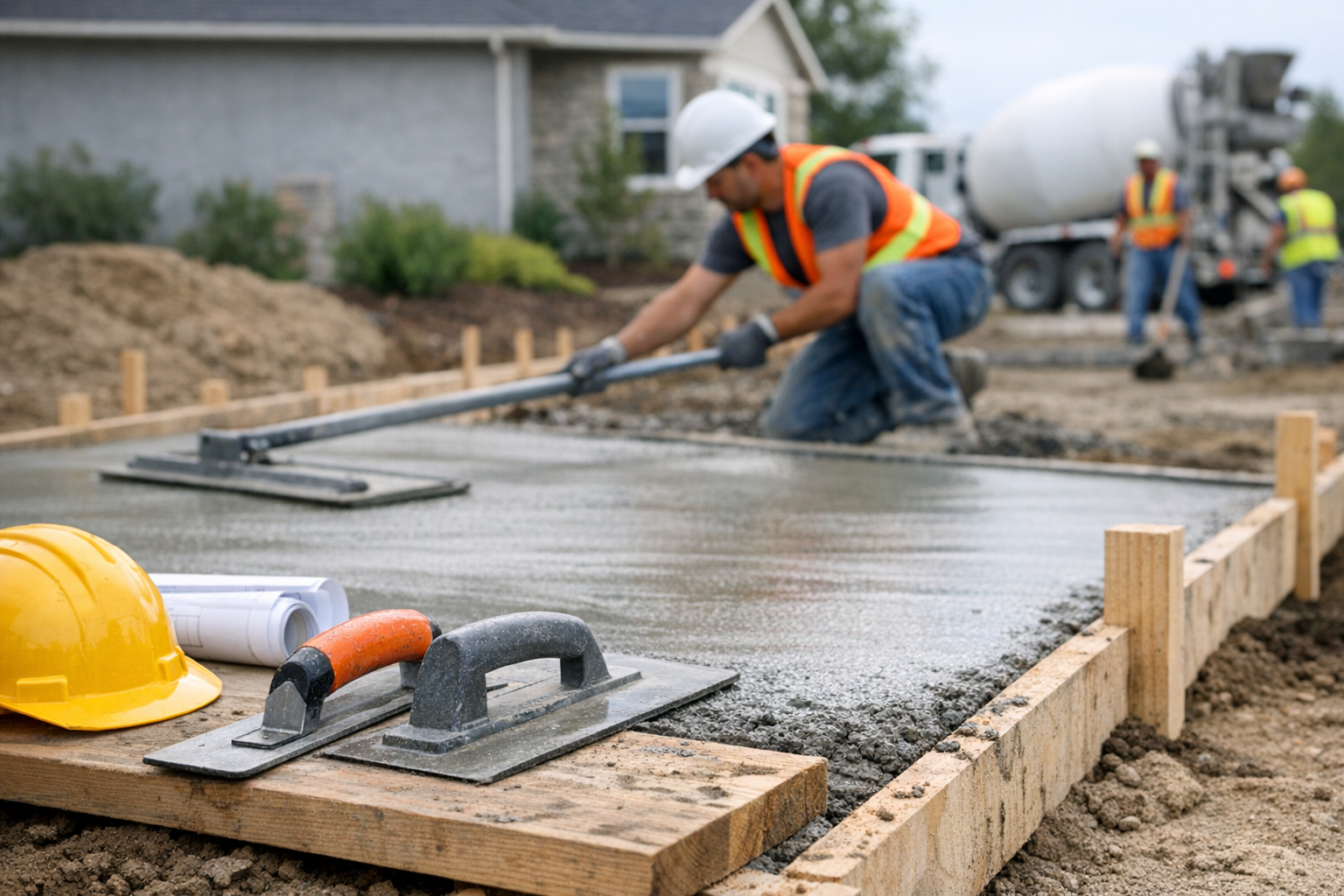
Most concrete projects follow a similar process. First, the site is assessed and prepared. This may include removing old concrete, grading the area, and setting forms. Next, a base material is compacted to support the slab. Reinforcement such as rebar or wire mesh may be added depending on the project. After that, the concrete is poured, leveled, and finished.
The final stage is curing, which is one of the most important parts of the job. Concrete may look finished quickly, but it needs time to gain strength. During curing, the surface should be protected from heavy loads, excessive moisture changes, and freezing temperatures. A good contractor will explain how long to wait before driving, walking, or placing furniture on the new surface.
Why Proper Curing Matters
Curing helps concrete reach its intended strength and durability. Rushing this step can cause cracks, weak spots, and surface damage. If you want your investment to last, follow the contractor’s instructions carefully. In some cases, curing compounds or coverings may be recommended to help maintain moisture and improve results.
Budgeting for Concrete Work
Concrete costs can vary widely based on size, thickness, access, labor, site preparation, and finish type. Repairs are usually less expensive than full replacements, and decorative finishes cost more than plain surfaces. When comparing estimates, make sure you are looking at the same scope of work. A lower price may leave out prep, reinforcement, or cleanup, which can create surprise costs later.
It helps to plan for a small contingency budget in case the contractor uncovers hidden issues such as poor soil, drainage concerns, or damaged base material. Spending a little more upfront on proper workmanship can save money over time by reducing repairs and extending the life of the surface.
Getting the Best Results From Your Project
If you need concrete work done, the best results come from good planning, clear communication, and careful contractor selection. Take time to define the project, ask detailed questions, and compare bids thoughtfully. Focus on experience, quality materials, and a process that includes proper preparation and curing. Whether you are improving your home, fixing damage, or starting a new build, the right concrete work can add value, safety, and long-term durability.
Conclusion
Concrete projects are an investment in your property, so it pays to do them right the first time. By understanding your options and hiring a qualified professional, you can get a durable, attractive result that lasts for years.