What Is Your Concrete?
When people talk about your concrete, they’re usually referring to the concrete surfaces and structures on their property: driveways, patios, sidewalks, garage slabs, foundations, steps, and more. Concrete is one of the most widely used building materials in the world because it is durable, versatile, and cost-effective. But even though it looks simple, concrete is a carefully engineered mix of cement, water, aggregates, and sometimes additives designed to perform under very specific conditions.
Understanding your concrete starts with knowing that it is not just “rock.” Concrete is a material that continues to change after it is poured. It hardens over time, reacts to temperature and moisture, and can be affected by weather, traffic, and soil conditions. That means the way it is installed and maintained plays a big role in how long it lasts.
Why Your Concrete Matters
Your concrete does more than provide a surface to walk or drive on. It supports structures, improves curb appeal, and affects the safety and value of your property. Cracked steps, uneven walkways, or a sinking driveway can create trip hazards and drainage problems. In some cases, small concrete issues can also point to larger concerns beneath the surface, such as shifting soil or water intrusion.
Well-maintained concrete can last for decades, but neglected concrete often deteriorates faster than expected. That is why it pays to understand the basics of installation, care, and repair. The better you know your concrete, the easier it is to protect it.
Common Types of Concrete Around Your Property
Driveways and parking areas
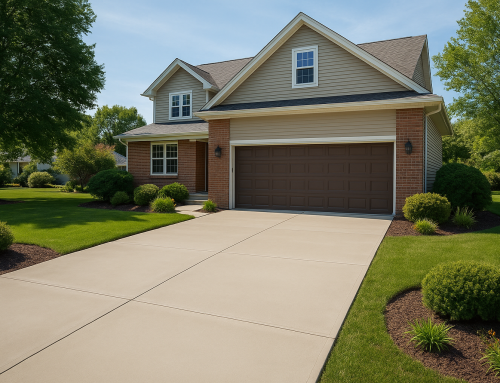
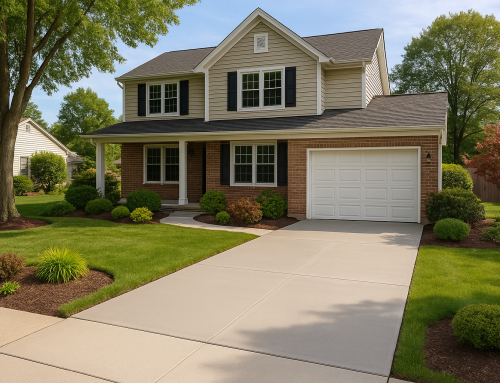
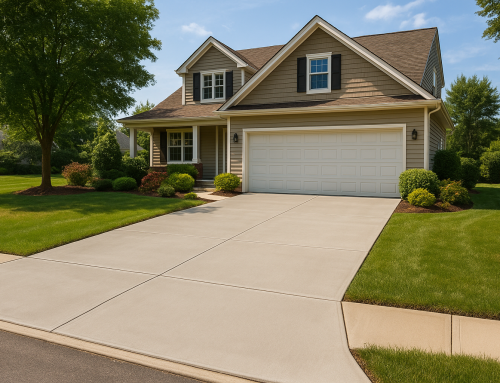
Concrete driveways are popular because they can handle heavy loads and offer a clean, finished look. However, they must be installed with the right thickness, reinforcement, and drainage to prevent cracking and settling.
Patios and outdoor living spaces
Patios bring comfort and function to outdoor areas. Decorative finishes, stamped patterns, and colored concrete can turn a simple slab into an attractive extension of your home.
Walkways and sidewalks
Concrete walkways are practical and durable, but they are also exposed to weather and tree roots. If they are not properly graded or reinforced, they may become uneven over time.
Foundations and slabs
Your home’s foundation is one of the most important concrete elements on the property. It supports the entire structure, making stability and proper installation essential.
How Concrete Is Made and Installed
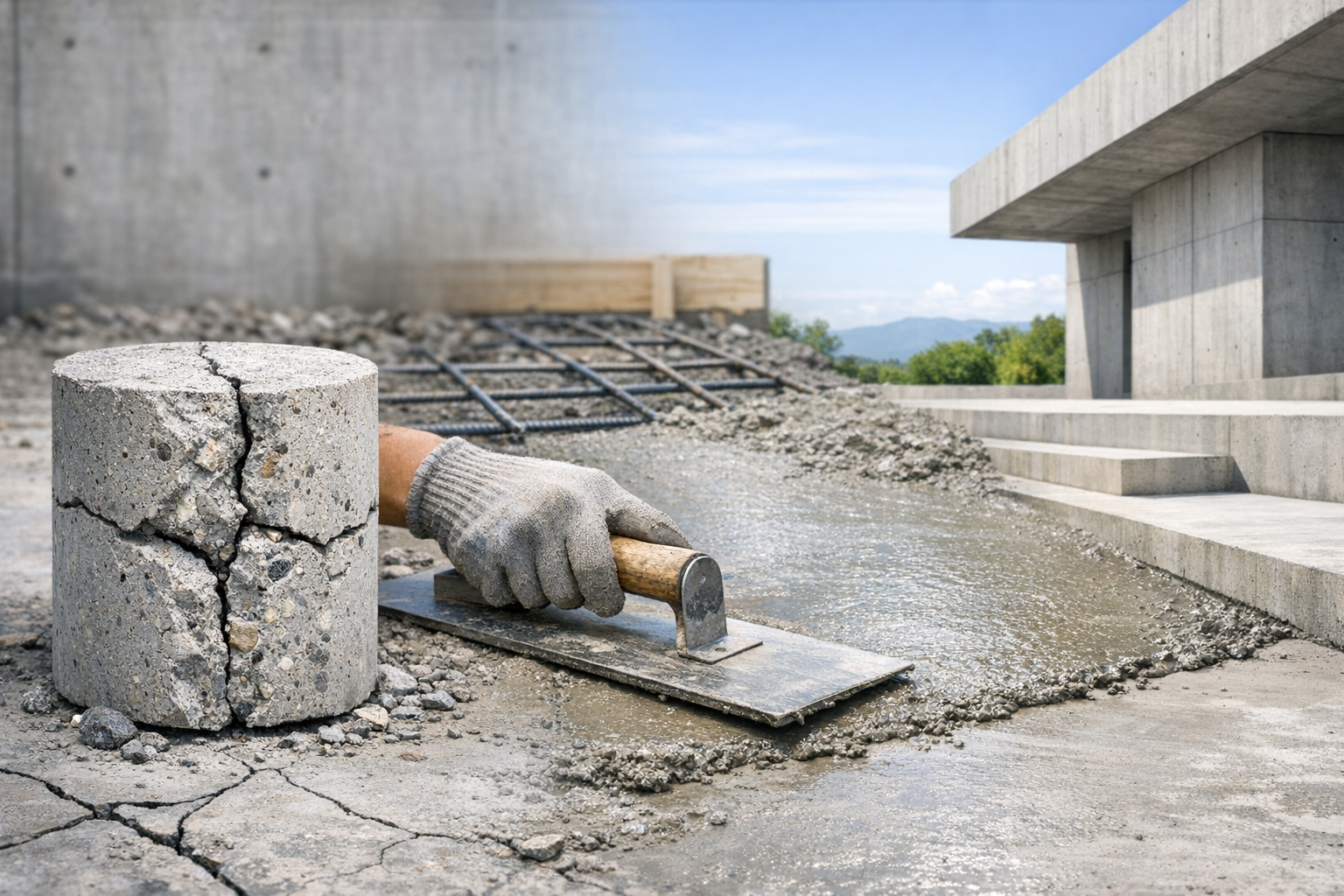
Concrete begins with a simple formula: cement, water, sand, and gravel or crushed stone. But the quality of your concrete depends on more than ingredients. The mix design, water content, weather, curing process, and finishing techniques all affect performance.
When concrete is poured, it must be placed evenly and finished at the right time. If too much water is added, the surface may become weaker. If curing is rushed, the concrete may not gain its full strength. Proper curing allows moisture to stay in the mix long enough for the concrete to harden correctly, improving durability and reducing the risk of cracking.
Expansion joints and control joints are also important. These planned breaks give concrete space to move and crack in controlled ways instead of randomly. Without them, your concrete is more likely to develop unsightly or structural damage.
Signs Your Concrete Needs Attention
Concrete rarely fails all at once. Instead, problems often appear gradually. Watching for early warning signs can help you address issues before they become expensive repairs.
- Cracks: Small hairline cracks are common, but wider or growing cracks may indicate movement or stress.
- Uneven surfaces: Slabs that sink, tilt, or rise can create drainage and safety issues.
- Spalling: Flaking or chipping on the surface may mean moisture has entered the concrete and caused damage.
- Pooling water: Water that collects on concrete can weaken the surface and signal poor drainage.
- Discoloration: Stains may be cosmetic, but they can also show exposure to moisture, chemicals, or runoff.
If you notice these issues early, you may be able to repair them with sealing, patching, leveling, or resurfacing rather than full replacement.
How to Care for Your Concrete
Keep it clean
Regular cleaning helps prevent buildup of dirt, leaves, oil, and other debris that can stain or damage concrete. A broom, garden hose, or pressure washer on a low setting is often enough for routine maintenance.
Seal it when needed
Sealing concrete can help protect it from moisture, de-icing salts, stains, and surface wear. Not every concrete surface needs the same level of sealing, but high-traffic areas often benefit from added protection.
Prevent standing water
Water is one of concrete’s biggest enemies over time. Make sure gutters, downspouts, and landscape grading direct water away from slabs and foundations.
Avoid harsh chemicals
Strong de-icers, acidic cleaners, and harsh solvents can damage the surface of your concrete. Choose products designed for concrete whenever possible.
Repair small problems promptly
Minor cracks and chips are often easier and cheaper to fix when they first appear. Waiting too long can allow water to penetrate and worsen the damage.
When to Repair or Replace Your Concrete
Not every damaged surface needs replacement. In many cases, a professional can repair your concrete with crack filling, leveling, resurfacing, or patching. Repair is often the best option when the damage is limited and the base remains stable.
Replacement may be necessary if your concrete has widespread cracking, major settling, severe surface deterioration, or structural failure. A good contractor will look at the age of the slab, the cause of the damage, and the condition of the underlying base before recommending a solution.
It is also worth considering your long-term goals. If your current concrete no longer meets your needs, replacement can be an opportunity to improve drainage, upgrade appearance, or add decorative features.
Choosing the Right Professional for the Job
Whether you need a new pour, a repair, or a decorative upgrade, hiring the right professional matters. Look for experience, references, proper licensing, and a clear explanation of the work to be done. A reliable contractor should be able to tell you what caused the issue, what options are available, and how long the repair or installation should last.
Be cautious of extremely low bids or vague estimates. Quality concrete work depends on preparation, materials, and craftsmanship. A well-planned project may cost more up front, but it usually saves money and stress over time.
Conclusion
Your concrete is a long-term investment in the function, safety, and appearance of your property. By understanding how it is made, what affects its performance, and how to care for it, you can extend its life and avoid costly problems. A little attention now can keep your concrete strong, attractive, and reliable for years to come.