If you need masonry work, whether for repairs, restoration, or a brand-new project, it helps to understand what masonry includes and how to choose the right approach. Masonry work can improve the strength, appearance, and value of your property, but the quality of the results depends on materials, craftsmanship, and proper planning. From cracked brick walls to custom stone features, the right masonry solutions can make a lasting difference.
What Is Masonry Work?
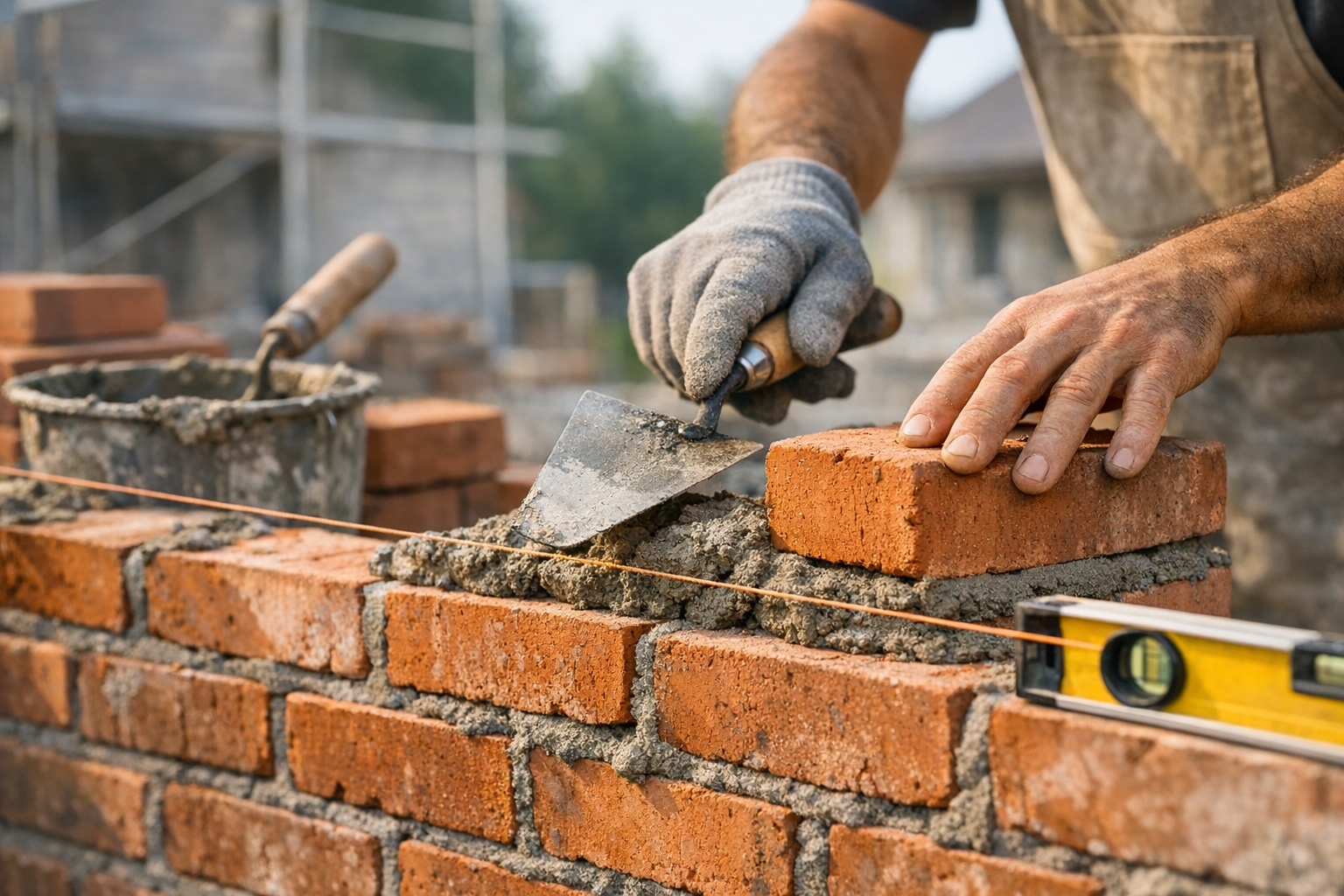
Masonry work involves building, repairing, or restoring structures made from materials such as brick, stone, concrete block, or mortar. These materials are arranged and bonded together to create durable walls, chimneys, patios, walkways, retaining walls, and more. Because masonry is both structural and decorative, it plays a major role in how a property looks and performs over time.
In residential and commercial settings, masonry is valued for its strength, fire resistance, and timeless appearance. Properly installed masonry can last for decades, but when damage appears, it should be addressed quickly to prevent larger issues.
Common Reasons You Might Need Masonry Work
There are many situations where masonry services become necessary. Some are urgent, while others are part of planned improvements.
Cracked or Deteriorating Brick
Bricks can crack due to settling foundations, moisture intrusion, freeze-thaw cycles, or age. Missing mortar joints and crumbling brick should not be ignored, since they can allow water to enter and weaken the structure further.
Damaged Chimneys
Chimneys are especially exposed to weather and often need repair sooner than other parts of a home. Loose bricks, damaged mortar, and leaning chimney stacks are all signs that masonry work may be needed to restore safety and stability.
Water Damage and Leaks
Water is one of the biggest threats to masonry. If you notice staining, efflorescence, mold, or damp interior walls, the masonry may be allowing moisture to pass through. Repairs may include repointing, sealing, or replacing damaged sections.
Outdated or Worn Appearance
Sometimes masonry work is needed to refresh the look of a property. Replacing old steps, updating a patio, or adding a stone veneer can dramatically improve curb appeal while also increasing functionality.
Types of Masonry Projects
Masonry contractors handle a wide range of projects, from small fixes to major construction. Knowing the difference can help you describe your needs more clearly.
Repairs and Repointing
Repointing involves removing damaged mortar and replacing it with new mortar. This is one of the most common forms of masonry repair and is essential for preserving the strength of brick and stone structures. Other repairs may include replacing individual bricks, patching cracks, or rebuilding damaged sections.
New Construction
If you are building a new home feature or structure, masonry can provide a strong foundation and a polished finish. New construction may include walls, fireplaces, retaining walls, outdoor kitchens, walkways, or decorative facades.
Restoration Work
Older buildings often require restoration to preserve original materials and appearance. Restoration work may involve careful cleaning, matching mortar color, sourcing similar brick or stone, and repairing structural damage without altering the character of the property.
Outdoor Living Features
Many property owners need masonry work to enhance outdoor spaces. Stone patios, fire pits, seating walls, and garden borders create attractive, durable areas for relaxation and entertainment.
Signs It’s Time to Hire a Masonry Contractor
Knowing when to call a professional can help you avoid costly damage. Some signs are easy to see, while others may require a closer inspection.
- Visible cracks in brick, block, or stone
- Mortar that is crumbling or missing
- Bulging, leaning, or shifting walls
- Water stains or interior moisture near masonry
- Loose bricks or stones
- Uneven steps, walkways, or retaining walls
- Spalling, where the surface of brick flakes or breaks away
If you notice any of these issues, it is a good idea to have the structure assessed before the damage spreads. Early repairs are usually simpler and more affordable than major reconstruction.
How to Choose the Right Masonry Professional
When you need masonry work, hiring the right contractor is just as important as the repair itself. Masonry requires skill, precision, and an understanding of both structure and materials.
Look for Experience
An experienced masonry contractor should be able to explain the problem clearly and recommend a practical solution. Ask how long they have been working with brick, stone, or concrete, and whether they have handled projects similar to yours.
Review Past Work
Photos, references, and examples of completed projects can give you a better sense of quality. Pay attention to clean mortar lines, consistent finishes, and how well the work blends with the existing structure.
Ask About Materials
The right materials matter. A skilled contractor should choose bricks, stone, mortar, and sealants that match the existing structure and suit your climate. Poor material choices can lead to premature failure or visible mismatches.
Get a Clear Estimate
A detailed estimate should explain the scope of work, materials, labor, timeline, and any possible extra costs. This helps you compare options and avoid surprises during the project.
Benefits of Professional Masonry Work
Professional masonry services offer long-term value. Quality work not only improves the look of your property but also protects it from structural and weather-related problems.
Some key benefits include better durability, improved energy efficiency in certain applications, increased property value, and stronger protection against water damage. Masonry also gives homes and buildings a classic appearance that never goes out of style.
Conclusion
If you need masonry work, acting early and choosing a qualified contractor can save time, money, and stress. Whether the project involves repairs, restoration, or new construction, professional masonry helps protect your property while improving its appearance and long-term performance. With the right planning and expert care, your masonry project can deliver results that last for years.