
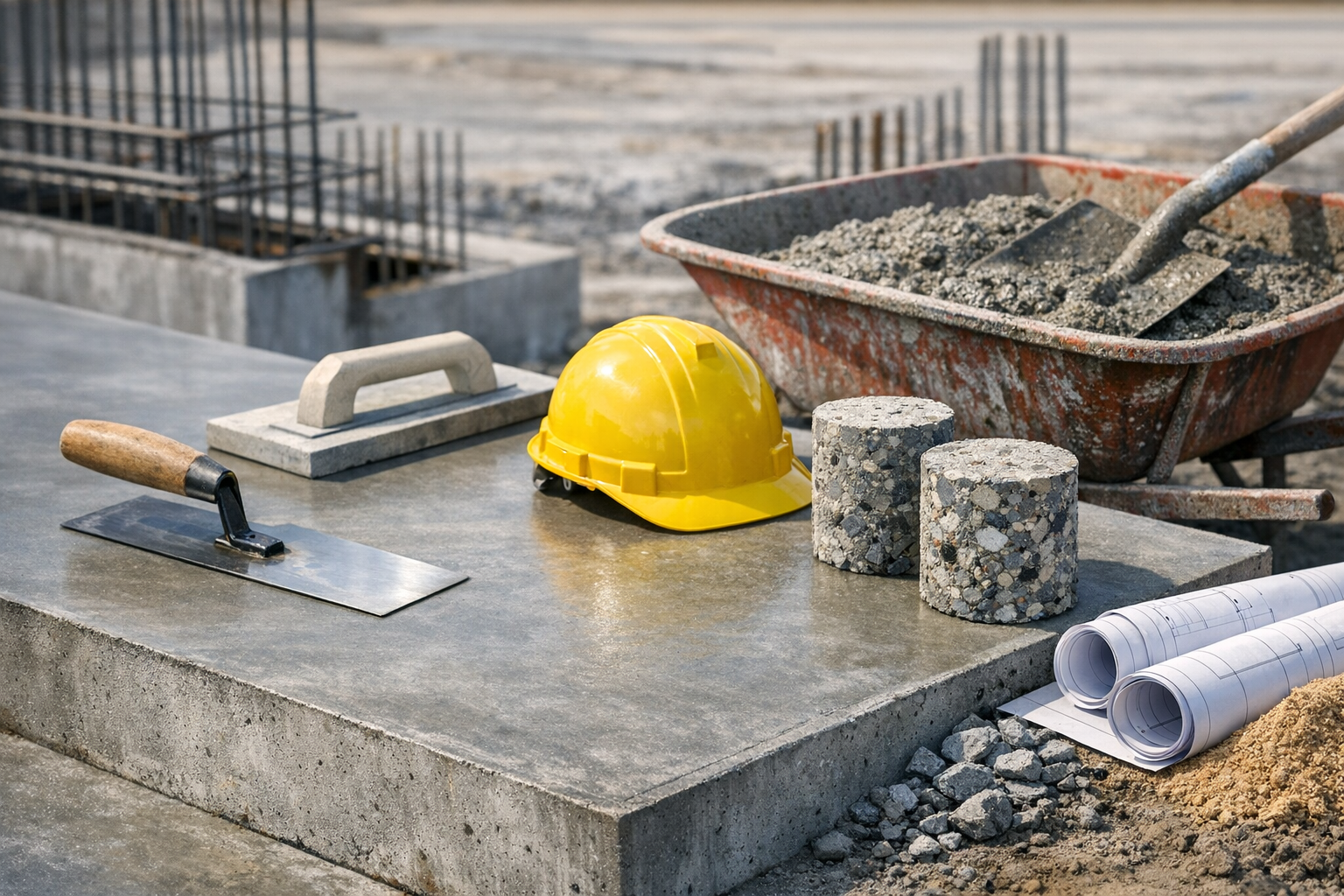
When people talk about construction, they often focus on the visible parts of a project: the walls, floors, finishes, and the overall design. But one of the most important stages happens before any of that becomes complete. That stage is final concrete—the last concrete placement or finishing phase that helps determine the strength, appearance, and durability of the finished structure.
Whether you are working on a driveway, slab, foundation, walkway, commercial floor, or structural project, final concrete plays a critical role in the long-term performance of the build. It is not just about pouring a material and letting it harden. It involves careful preparation, proper placement, finishing, curing, and quality control. When done correctly, final concrete creates a stable and lasting base that supports everything above it.
What Is Final Concrete?
Final concrete refers to the last stage of concrete work on a project, usually after the formwork, reinforcement, and base preparation are complete. It can describe the final pour of a slab or foundation, or the finishing layer that is exposed and meant to remain visible and functional. In many projects, this is the point where the concrete transitions from a structural material to a finished surface.
Because this stage is visible and load-bearing, it must meet both structural and aesthetic expectations. Any mistakes made during final concrete work can lead to cracking, uneven surfaces, weak spots, or premature deterioration. That is why this phase is so closely tied to workmanship and attention to detail.
Why Final Concrete Is Important
Final concrete does more than simply close out a construction project. It affects how the structure performs for years to come. A well-executed final concrete placement helps ensure the surface can handle traffic, weather, moisture, and weight without breaking down too quickly.
It also has a major impact on appearance. In projects where the concrete will remain exposed, the final finish determines whether the surface looks smooth, clean, and professional. For residential and commercial properties alike, that can influence both usability and curb appeal.
Most importantly, final concrete contributes to safety and durability. A properly finished surface reduces trip hazards, improves drainage, and supports the intended function of the space. That makes it essential in everything from sidewalks to warehouse floors.
The Main Steps in Final Concrete Work
1. Preparation and Inspection
Before the final pour or finish, the site must be prepared carefully. Contractors inspect the base, reinforcement, forms, and layout to confirm everything is in place. Any debris, loose soil, or standing water should be removed because it can weaken the bond or affect the surface quality.
2. Pouring the Concrete
The concrete mix is delivered and placed according to the project specifications. During this stage, workers must distribute the material evenly to avoid air pockets and inconsistencies. Timing matters, since concrete begins to set relatively quickly once it is mixed.
3. Consolidation
Consolidation helps remove trapped air and ensures the concrete fills every part of the form. This may be done with vibration equipment or careful manual techniques. Proper consolidation reduces honeycombing and improves overall strength.
4. Finishing the Surface
Once the concrete is placed and leveled, the finishing stage begins. Depending on the project, this may include screeding, floating, troweling, edging, or texturing the surface. The goal is to create the desired look and performance characteristics, whether that means a smooth floor or a slip-resistant outdoor surface.
5. Curing
Curing is one of the most important parts of final concrete work, yet it is sometimes overlooked. Concrete gains strength over time, and curing helps maintain the right moisture and temperature conditions while that happens. Proper curing reduces the risk of cracking and improves durability. Methods may include water curing, curing compounds, or protective coverings.
Common Problems to Avoid
Even a well-planned project can run into problems if final concrete work is rushed or handled poorly. One common issue is surface cracking, which can result from rapid drying, temperature changes, or improper mix proportions. Another issue is uneven finishing, which can create weak points or visible flaws.
Other problems include poor curing, inadequate reinforcement, and water imbalance in the mix. Too much water may make the concrete easier to work with, but it can also weaken the final product. On the other hand, not enough water can make placement and finishing difficult. Achieving the right mix and timing is essential.
Best Practices for Quality Final Concrete
To get the best results, start with a high-quality mix designed for the application. A driveway, for example, has different requirements than an interior floor or structural foundation. Work with experienced contractors who understand local weather conditions, load requirements, and finishing methods.
Pay close attention to timing during placement and finishing. Concrete that is finished too early can trap excess water at the surface, while concrete that is finished too late may become difficult to smooth properly. Monitoring temperature and weather conditions also helps prevent problems during the curing stage.
Finally, do not treat curing as optional. Protect the surface for the full recommended curing period, and avoid heavy use until the concrete has gained enough strength. This simple step can make a major difference in longevity.
Final Concrete in Residential and Commercial Projects
In residential construction, final concrete is often seen in patios, driveways, garage floors, walkways, and basement slabs. Homeowners want surfaces that are attractive, durable, and easy to maintain. A good final finish can improve the overall value and usability of the property.
In commercial and industrial settings, the demands are even higher. Final concrete may need to support heavy equipment, repeated vehicle traffic, or large numbers of people. The finish must be functional, safe, and long-lasting. That is why commercial concrete work often involves stricter specifications and more advanced finishing techniques.
How to Know When Final Concrete Is Ready
Concrete may look dry on the surface long before it is actually ready for full use. Readiness depends on the mix design, thickness, weather, and curing time. In general, light foot traffic may be allowed after a short period, but heavy loads and full use should wait until the concrete has reached the required strength.
If you are unsure, it is always better to wait and follow professional guidance. Using concrete too soon can cause surface damage or internal weakening that cannot be easily repaired.
Conclusion
Final concrete is more than the last step in a construction job. It is the stage that helps define the strength, durability, and appearance of the finished project. From preparation and pouring to finishing and curing, every step matters. When handled properly, final concrete delivers a reliable surface that stands up to daily use and the test of time.