Concrete Installation Services: A Complete Guide
Concrete is one of the most durable, versatile, and cost-effective building materials available. From driveways and patios to foundations, sidewalks, and commercial slabs, professional concrete installation services help create surfaces that are built to last. Whether you’re planning a new project or replacing worn-out concrete, understanding the installation process can help you make smarter decisions and avoid costly mistakes.
High-quality concrete work is about more than pouring and leveling a mixture. It requires careful planning, proper site preparation, the right materials, and expert finishing techniques. When done correctly, a concrete surface can provide decades of reliable performance with minimal maintenance.
What Are Concrete Installation Services?
Concrete installation services include the preparation, pouring, shaping, finishing, and curing of concrete structures or surfaces. These services are used in both residential and commercial settings and can be tailored to a wide range of applications.
Common projects include:
- Driveways
- Patios
- Walkways and sidewalks
- Garage and basement floors
- Foundations and footings
- Commercial slabs and parking areas
- Curbs, steps, and retaining walls
Because concrete is so adaptable, it can be poured into many shapes and finished in different textures, colors, and styles. This makes it a popular choice for property owners who want both function and curb appeal.
Why Professional Installation Matters
Concrete may seem straightforward, but a successful installation depends on technical skill and experience. Improper mixing, poor grading, weak reinforcement, or rushed curing can lead to cracking, settling, and premature failure.
Professional installers bring several advantages:
- Accurate site preparation: The ground is properly graded and compacted before concrete is poured.
- Correct mix selection: The right concrete mix is chosen based on the project’s purpose and environmental conditions.
- Reinforcement knowledge: Rebar, mesh, or fiber reinforcement is added where needed for strength.
- Expert finishing: Smooth, decorative, broom, or stamped finishes are applied with precision.
- Proper curing: The concrete is allowed to cure under the right conditions for maximum durability.
Hiring experienced professionals helps ensure your project not only looks great on day one but continues to perform well for years.
The Concrete Installation Process
Although each project is unique, most concrete installation services follow a similar process from start to finish.
1. Planning and Assessment
The process begins with a site evaluation. The contractor measures the area, discusses the intended use, and identifies any challenges such as drainage issues, soil instability, or access concerns. This stage is also when thickness, reinforcement, and finish options are determined.
2. Excavation and Base Preparation
Next, the area is excavated to the proper depth. The subgrade is leveled and compacted, then a base layer such as gravel may be added for drainage and stability. This step is critical because a poor base can cause shifting and cracking later on.
3. Formwork Installation
Wooden or metal forms are set in place to define the shape and boundaries of the concrete. These forms help keep the slab aligned and at the correct thickness during pouring.
4. Reinforcement Placement
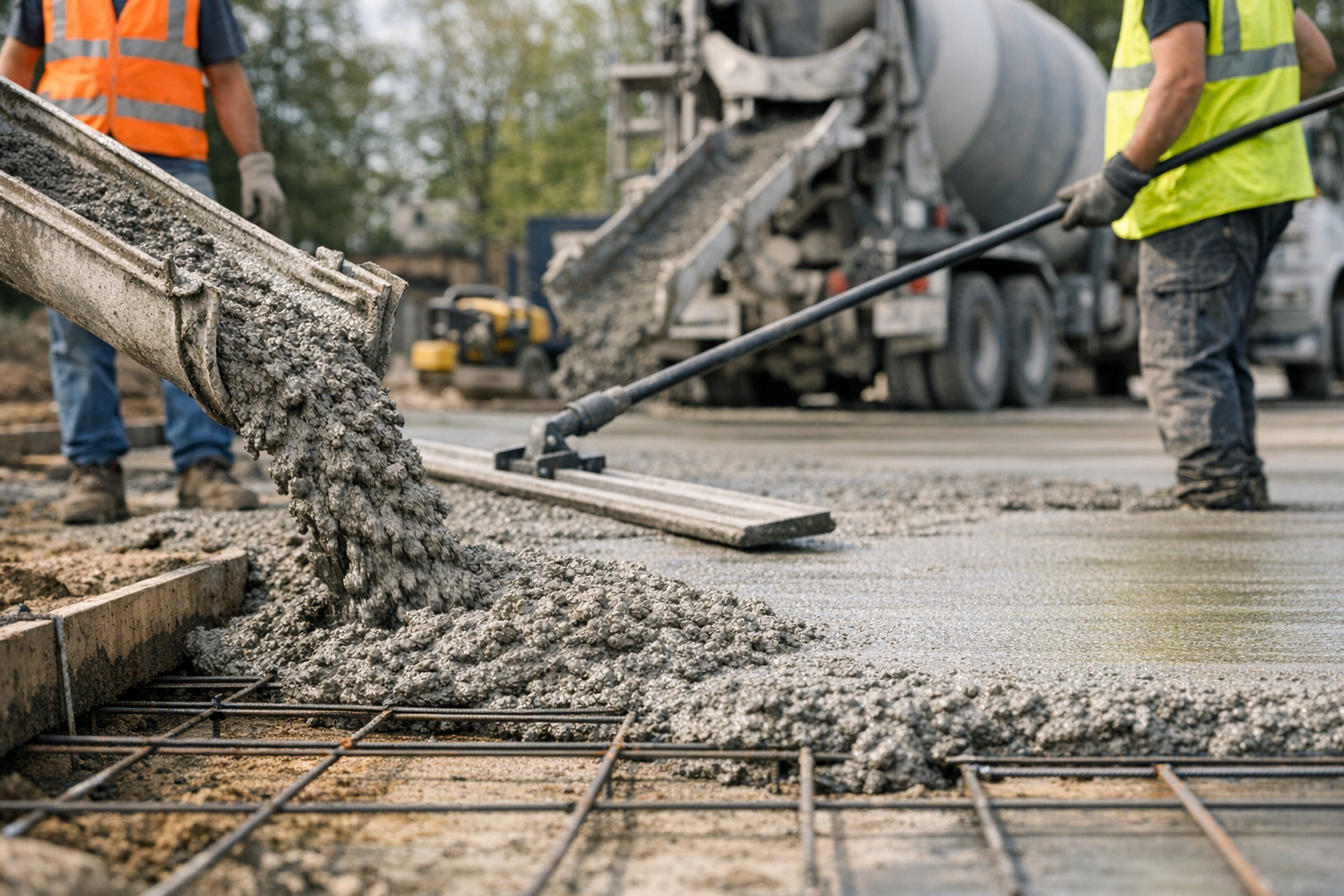
Depending on the project, reinforcement materials may be installed before the pour. This could include rebar, wire mesh, or fiber additives. Reinforcement helps concrete handle tension and reduces the risk of structural damage.
5. Pouring the Concrete
Once everything is prepared, the concrete is mixed and poured into the forms. The material must be placed quickly and evenly to avoid weak spots. Workers then spread and level the concrete using specialized tools.
6. Finishing the Surface
After the concrete is leveled, finishing begins. Depending on the project, the surface may be smoothed, brushed, edged, or stamped. Decorative finishes can improve both appearance and slip resistance.
7. Curing and Protection
Curing is one of the most important parts of the process. Concrete gains strength over time as it cures, and it must be protected from rapid drying, extreme temperatures, and moisture loss. Contractors may use curing compounds, plastic coverings, or regular misting to support proper curing.
Types of Concrete Projects
Concrete installation services can be customized for many property types and uses. Some projects prioritize strength and load-bearing capacity, while others focus more on design and visual appeal.
Residential concrete services often include driveways, patios, pool decks, steps, and foundation slabs. These projects must balance durability with aesthetics, especially in visible outdoor spaces.
Commercial concrete services are typically larger and more demanding. They may include parking lots, warehouse floors, loading docks, sidewalks, and structural foundations. These installations often require greater reinforcement, precise planning, and compliance with building codes.
Decorative concrete services are a growing trend for homeowners and businesses that want a custom look. Options such as stamped concrete, colored concrete, and exposed aggregate can add style without sacrificing performance.
Signs You Need New Concrete Installation
Not sure whether to repair or replace an existing surface? In some cases, concrete damage is too extensive for patching alone. You may need new installation if you notice:
- Large or expanding cracks
- Uneven or sunken sections
- Constant pooling water
- Spalling or surface flaking
- Severe discoloration or deterioration
- Structural concerns with foundations or slabs
A professional contractor can assess the condition of the existing concrete and recommend the best solution based on safety, cost, and long-term value.
How to Choose the Right Concrete Contractor
Choosing the right contractor is just as important as choosing the right materials. A skilled team can make the difference between a project that lasts and one that fails early.
When comparing concrete installation companies, look for:
- Relevant experience with similar projects
- Proper licensing and insurance
- Positive reviews and references
- Clear estimates and timelines
- Knowledge of local codes and weather conditions
- Willingness to explain the process and answer questions
It’s also wise to ask about warranties, maintenance recommendations, and how the contractor handles weather-related delays. A reputable professional will be transparent and focused on long-term results.
Benefits of Quality Concrete Installation
Investing in quality concrete installation services offers several lasting benefits. First, concrete provides exceptional strength and stability for a wide range of uses. Second, it is relatively low maintenance compared to many other surface materials. Third, it can improve property value by enhancing both function and appearance.
Well-installed concrete can also improve safety by creating level, stable surfaces for walking, parking, and heavy equipment. When properly sealed and maintained, it resists moisture, weather damage, and everyday wear more effectively than many alternatives.
Maintenance Tips After Installation
Even though concrete is durable, basic maintenance will help extend its life. Keep the surface clean by removing dirt, debris, and standing water. Seal the concrete as recommended to protect it from moisture and staining. Avoid using harsh de-icing chemicals when possible, and address small cracks early before they spread.
For decorative or high-traffic surfaces, periodic inspections can help catch wear before it becomes a bigger issue. With the right care, a professionally installed concrete surface can remain attractive and functional for many years.
Conclusion
Concrete installation services play a vital role in creating strong, dependable surfaces for homes and businesses alike. From careful site preparation to expert finishing and curing, every step contributes to the final quality of the project. By choosing an experienced contractor and maintaining the surface properly, you can enjoy concrete that performs well and looks great for the long term.