
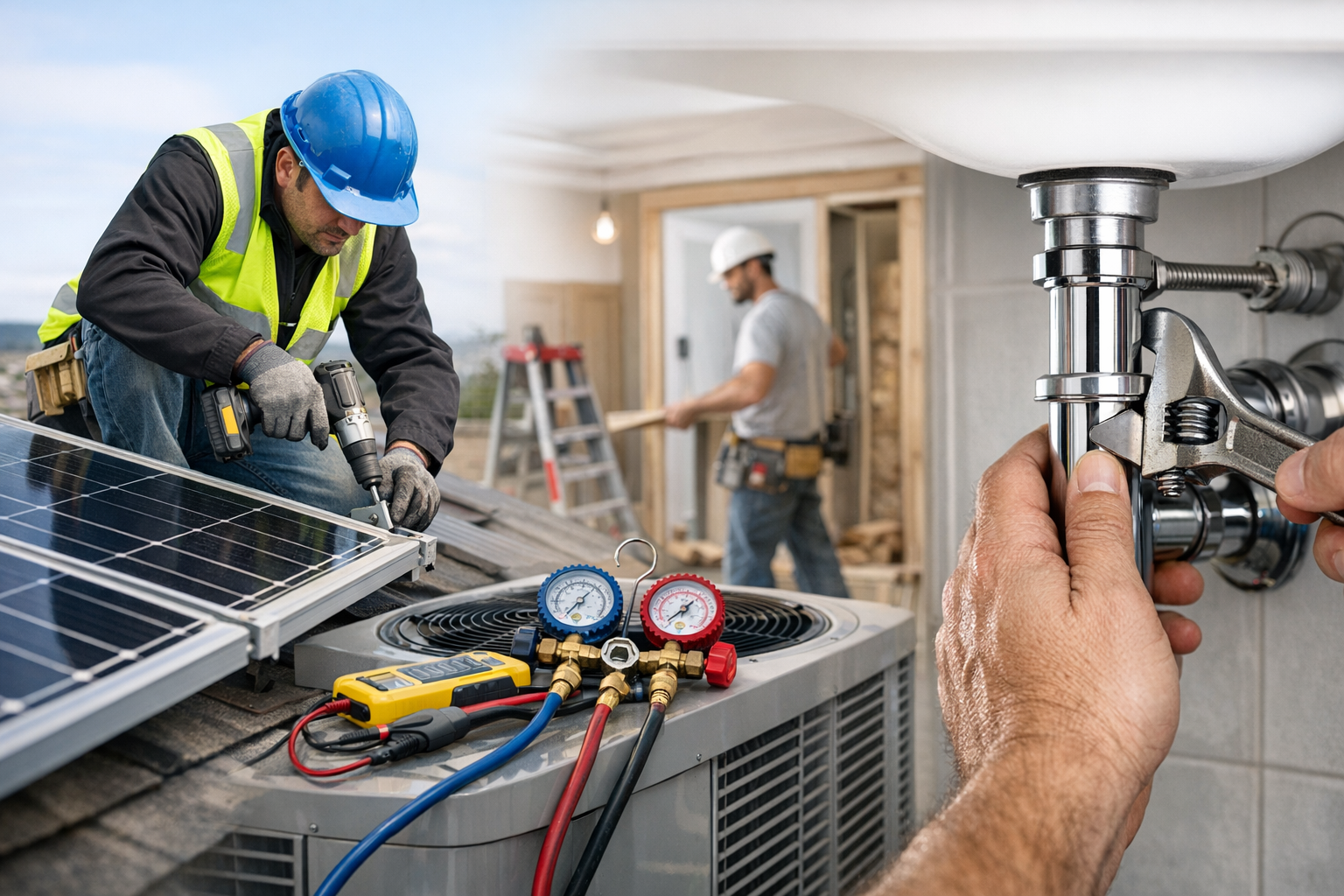
What Quality Installation Really Means
Quality installation is more than simply putting parts in place and turning a system on. It means every component is fitted, aligned, secured, tested, and finished according to the manufacturer’s specifications and industry best practices. Whether you are installing equipment, flooring, appliances, fixtures, or technology systems, the goal is the same: make sure the final result works as intended, looks professional, and lasts over time.
A quality installation also reflects the skill of the installer. It requires planning, attention to detail, proper tools, and a clear understanding of the product or system being installed. When installation is done well, it reduces the risk of future problems, improves efficiency, and protects your investment.
Why Quality Installation Matters
People often focus on the product they are buying, but installation can have just as much impact on performance. Even the best materials or equipment can fail early if they are installed incorrectly. Poor installation can lead to leaks, uneven surfaces, electrical issues, mechanical breakdowns, safety hazards, and expensive repairs.
On the other hand, quality installation offers long-term benefits. It helps systems operate at peak performance, minimizes downtime, and reduces maintenance needs. It can also improve energy efficiency, support warranty coverage, and boost property value. In many cases, quality installation is what separates a temporary fix from a dependable solution.
The Key Elements of a Quality Installation
Proper Planning
Every successful installation starts with planning. This includes reviewing specifications, measuring the space, checking compatibility, and identifying any special requirements before work begins. Good planning helps prevent delays, mistakes, and unexpected costs.
Skilled Workmanship
Installer experience matters. A trained professional understands how to handle materials correctly, follow safety procedures, and complete the job with precision. Skilled workmanship is visible in the details: clean lines, secure fittings, level surfaces, and smooth operation.
Correct Tools and Materials
Using the right tools is essential for a quality installation. So is using approved materials, fasteners, adhesives, and hardware. Cutting corners with low-grade supplies can weaken the result and shorten the life of the installation.
Attention to Safety
Safety is a major part of quality. Installers should follow all relevant codes, manufacturer guidelines, and site-specific safety practices. This protects both the installer and the end user while reducing the likelihood of accidents or failures.
Testing and Verification
A quality installation is not complete until it has been checked and tested. Systems should be inspected for proper alignment, function, and performance. Testing identifies any issues early, before they become larger problems.
Common Signs of Poor Installation
Knowing the warning signs of poor installation can help you catch problems early. Some of the most common indicators include uneven finishes, loose connections, gaps, strange noises, poor performance, visible damage, and frequent breakdowns. If a product seems to be underperforming soon after installation, the installation itself may be the issue.
Other red flags include missing documentation, rushed work, or an installer who cannot explain how the system was set up. A quality provider should be willing to answer questions, walk you through the work, and stand behind the results.
How to Ensure a Quality Installation
Choose the Right Professionals
Selecting a qualified installer is one of the most important decisions you can make. Look for experience, licensing where required, insurance, strong reviews, and a proven track record with the type of project you need. Ask for references and examples of similar work whenever possible.
Ask Questions Before Work Begins
Before installation starts, ask about the process, timeline, materials, cleanup, and warranty coverage. Clear communication helps set expectations and gives you confidence that the project is being handled properly.
Follow Manufacturer Guidelines
Manufacturer instructions are not optional. They are designed to ensure the product performs safely and correctly. Installers should always follow recommended procedures, spacing, mounting requirements, and maintenance instructions.
Don’t Rush the Job
Fast is not always better. A rushed installation often leads to mistakes that cost more time and money later. Quality work takes the time needed to measure accurately, correct issues, and verify the final result.
Request a Final Inspection
Before the project is considered complete, ask for a final walkthrough or inspection. This is the best time to confirm that everything works properly and to address any remaining concerns. A careful final review adds another layer of protection to the installation.
The Long-Term Value of Quality Installation
Quality installation is an investment that pays off well beyond the initial project. It can extend the life of equipment, reduce repair costs, improve safety, and deliver a better overall user experience. For homeowners and businesses alike, the upfront value of professional installation is often much greater than the short-term savings of a cheaper, lower-quality job.
In many cases, quality installation also supports warranty claims and insurance expectations. If a product fails because it was installed incorrectly, the costs can fall on the owner. Choosing quality from the start helps reduce that risk and protects the value of the purchase.
Conclusion
Quality installation is the foundation of reliable performance, safety, and long-term value. By focusing on planning, skilled workmanship, proper materials, safety, and testing, you can ensure your project delivers the results you expect. When installation is done right the first time, it saves time, money, and stress later on.