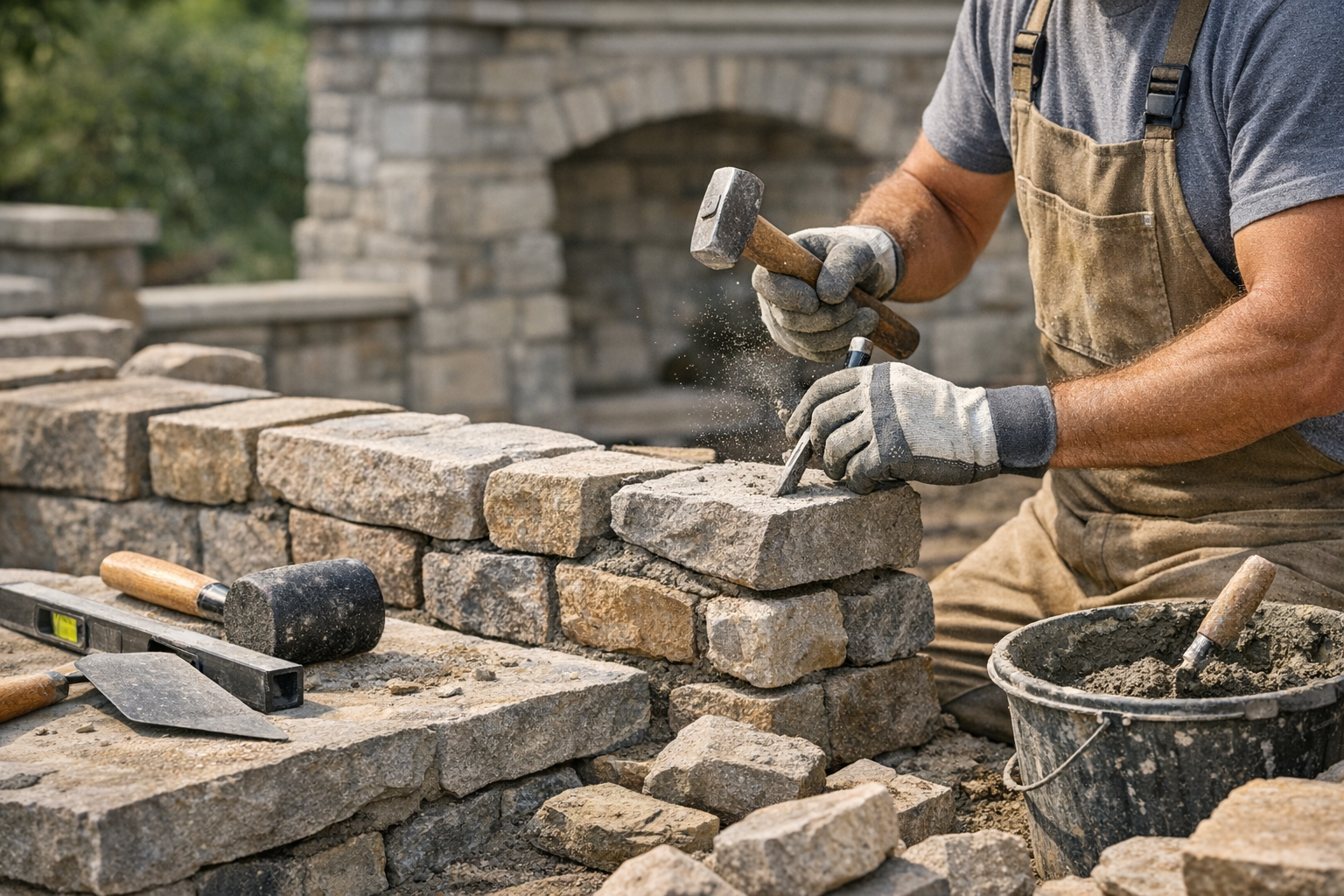
Stone Masonry Contractors: What They Do and How to Choose the Right One
Stone has been used in construction for centuries, and for good reason. It is durable, timeless, and adds immediate character to homes, gardens, and commercial properties. But achieving that polished, long-lasting result takes more than selecting attractive stone. It requires the skill of experienced stone masonry contractors who understand how to plan, shape, install, and repair stone with precision.
Whether you are building a retaining wall, adding a stone fireplace, restoring an old façade, or upgrading outdoor living spaces, the contractor you choose can make a major difference in both appearance and performance. Here is what stone masonry contractors do, why their expertise matters, and how to choose the right one for your project.
What Do Stone Masonry Contractors Do?
Stone masonry contractors specialize in working with natural and manufactured stone to build or restore structures. Their work can range from decorative features to load-bearing elements, depending on the project.
Common services include:
- Stone veneer installation
- Retaining walls and boundary walls
- Fireplaces and chimneys
- Patios, walkways, and garden features
- Historic stone restoration
- Foundation and structural stone repair
- Custom stonework for interior and exterior spaces
A skilled contractor knows how to balance aesthetics with structure. They understand mortar selection, drainage, stone placement, and how different materials behave over time. This knowledge helps ensure the finished work is both beautiful and built to last.
Why Hire a Professional Stone Masonry Contractor?
Stone masonry may look straightforward, but it is highly technical work. Poor installation can lead to cracking, shifting, water damage, or premature deterioration. Hiring a professional helps reduce those risks and protects your investment.
One of the biggest advantages is craftsmanship. Stone masonry contractors have the training to cut and fit stone correctly, create consistent joints, and produce a finished look that feels natural rather than forced. They also understand how to match stone types and textures so the final result complements the surrounding architecture.
Another key benefit is longevity. Properly installed stone can last for decades, sometimes even generations. Contractors who use the right materials and techniques help ensure your project stands up to weather, moisture, and daily wear.
For larger or structural projects, professional experience is especially important. A retaining wall, for example, must be built with correct drainage and support to avoid failure. A qualified contractor can assess the site and recommend the right approach before work begins.
Types of Stone Masonry Projects
Stone masonry contractors work on a wide variety of projects. Some are decorative, while others provide essential support or restoration.
Residential Stonework
Homeowners often hire stone masonry contractors for patios, accent walls, entryways, outdoor kitchens, and fireplaces. These features can dramatically improve curb appeal and create inviting living spaces. Natural stone is especially popular for landscaping because it blends well with plants, hardscapes, and outdoor lighting.
Commercial Stonework
Commercial properties use stone to create a strong visual impression. Offices, retail centers, hotels, and public buildings often incorporate stone facades, columns, signage bases, and decorative walls. A professional contractor helps deliver a refined look that reflects the brand and holds up under heavy use.
Restoration and Repair
Older structures often require specialized care. Restoration work may include replacing damaged stones, repointing mortar joints, cleaning surfaces, or rebuilding sections of a wall or chimney. This type of work demands patience and an understanding of traditional building methods, especially for historic properties.
How to Choose the Right Stone Masonry Contractor
Choosing the right contractor starts with looking at experience. Ask how long they have been in business and whether they have completed projects similar to yours. A contractor who regularly handles your type of work is more likely to understand the details involved.
Review their portfolio carefully. Photos of completed projects can give you a sense of craftsmanship, style, and attention to detail. If possible, ask to see examples in person or speak with past clients.
It is also important to confirm that the contractor is licensed and insured. Insurance protects you and the workers if something goes wrong during the project. A professional contractor should be willing to provide documentation and answer questions about their qualifications.
During the estimate process, pay attention to communication. A reliable contractor will explain the scope of work clearly, discuss materials, and outline the timeline. Be cautious of vague estimates or unusually low bids, as these may indicate shortcuts or hidden costs.
Finally, ask about the materials they recommend. Different stones serve different purposes, and the right choice depends on climate, budget, and design goals. A knowledgeable contractor should be able to explain the pros and cons of each option.
Questions to Ask Before Hiring
Before you hire a stone masonry contractor, ask a few practical questions:
- What similar projects have you completed?
- Do you provide a written estimate and contract?
- Who will be working on the project?
- What materials do you recommend and why?
- How do you handle drainage, sealing, or structural support?
- What is the expected timeline?
- Do you offer warranties or follow-up support?
These questions can help you compare contractors more confidently and avoid surprises once the project begins.
What Affects the Cost of Stone Masonry Work?
The cost of stone masonry varies based on several factors, including project size, stone type, labor intensity, and site conditions. Custom work and restoration projects often cost more because they require detailed craftsmanship and specialized knowledge.
Natural stone usually costs more than manufactured alternatives, but it may offer a more authentic appearance and greater durability. Access to the worksite, the need for demolition, and any structural preparation can also affect pricing. A detailed estimate should break down these factors so you can understand what you are paying for.
Conclusion
Stone masonry contractors bring skill, experience, and craftsmanship to projects that need both strength and style. From residential patios to historic restorations, the right contractor can turn stone into a lasting feature that adds value and beauty to your property. Take time to compare experience, communication, and quality before making a decision, and you will be much more likely to get results you can enjoy for years to come.