When property owners think about improving a home or commercial site, concrete is often one of the first materials that comes to mind. It is strong, versatile, and built to last. But getting durable, attractive results depends on more than just pouring and smoothing a slab. That is where professional concrete contractor services make all the difference.
Whether you are planning a new driveway, patio, walkway, foundation, or decorative feature, hiring the right contractor helps ensure the work is safe, efficient, and completed to a high standard. Below is a comprehensive look at what concrete contractor services include, why they matter, and how to choose the right company for your project.
What Are Concrete Contractor Services?
Concrete contractor services cover the planning, preparation, installation, repair, and finishing of concrete structures and surfaces. A skilled contractor brings the equipment, materials, labor, and expertise needed to complete projects correctly from start to finish.
These services can be used for residential, commercial, and industrial properties. Some projects are purely functional, such as foundations and sidewalks, while others are designed to improve curb appeal, such as stamped patios or decorative driveways.
Common Types of Concrete Contractor Services
Concrete contractors offer a wide range of solutions. Here are some of the most common services property owners request.
Concrete Driveways
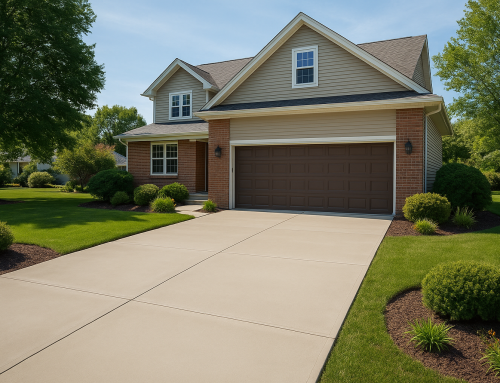
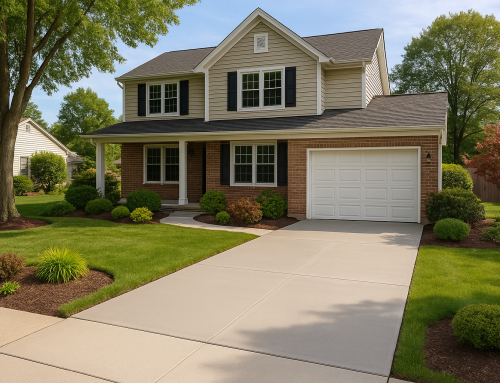
A concrete driveway is one of the most popular exterior upgrades. It offers long-term durability, low maintenance, and a clean appearance. Contractors handle everything from excavation and grading to pouring and finishing, ensuring the driveway has proper slope and drainage.
Concrete Patios
Concrete patios create a stable, attractive outdoor living space. Contractors can provide a simple broom finish or enhance the space with stamped, stained, or colored concrete. A well-built patio can extend your living area and increase property value.
Sidewalks and Walkways
Sidewalks and walkways improve accessibility and safety while adding structure to a landscape. Contractors make sure the surface is level, durable, and compliant with any applicable local requirements.
Concrete Foundations
Foundations are one of the most important parts of any structure. A contractor must carefully prepare the site, place forms, reinforce the concrete, and pour the foundation with precision. Mistakes here can lead to costly structural problems later.
Slabs and Floors
Concrete slabs are used for garages, sheds, basements, warehouses, and many other applications. Contractors ensure the slab is properly compacted, leveled, and reinforced so it can support the intended load.
Concrete Repairs and Restoration
Over time, concrete can crack, settle, chip, or spall. Repair services may include crack filling, resurfacing, patching, leveling, and sealing. A contractor can evaluate the damage and recommend the most practical solution.
Decorative and Stamped Concrete
For property owners who want more than a plain gray finish, decorative concrete offers many design possibilities. Stamped patterns, stains, exposed aggregate, and custom colors can mimic stone, brick, or tile while maintaining concrete’s strength.
Why Hire a Professional Concrete Contractor?
Concrete work may look simple from the outside, but it requires experience and careful timing. Hiring a professional contractor offers several important benefits.
Proper Site Preparation
Great concrete work starts before the pour. Contractors evaluate the soil, grade the area, compact the base, and install forms that help shape the finished surface. Without proper preparation, concrete can crack or shift prematurely.
Accurate Mixing and Placement
Concrete must be mixed, poured, and finished within a specific time frame. Professionals understand how weather, moisture, and curing time affect the material. Their knowledge helps produce a stronger, more consistent result.
Long-Lasting Results
A well-installed concrete surface can last for decades. Contractors use the right reinforcement, control joints, sealants, and finishing techniques to reduce the risk of damage and improve performance over time.
Safety and Code Compliance
Many concrete projects must meet local building codes and safety standards. A qualified contractor understands these requirements and helps ensure the project is completed correctly and legally.
What to Expect During a Concrete Project
Knowing the process can help you feel more confident before work begins. While every project is different, most concrete contractor services follow a similar sequence.
Consultation and Estimate
The contractor evaluates your site, discusses your goals, and provides an estimate. This is the time to ask questions about materials, finishes, timelines, and pricing.
Preparation and Excavation
The crew clears the site, removes old materials if needed, and prepares the base. This stage may include grading, compacting soil, and setting forms.
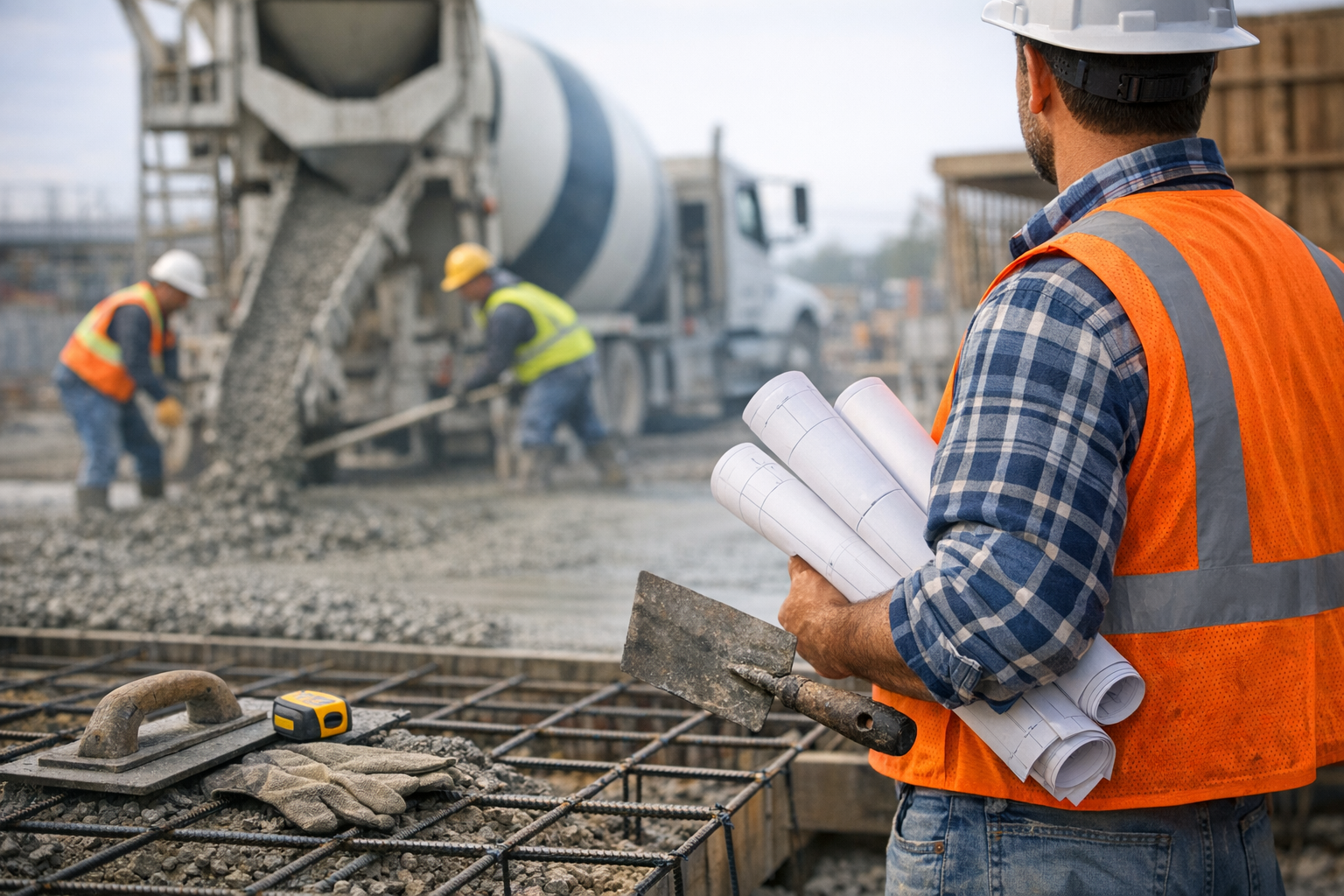
Pouring and Finishing
Once the area is ready, the concrete is poured and spread evenly. The contractor then levels, smooths, textures, or stamps the surface depending on the desired finish.
Curing and Sealing
Curing allows concrete to gain strength gradually. The contractor may recommend keeping the surface protected during this period and applying a sealant to help resist moisture, stains, and wear.
How to Choose the Right Concrete Contractor
Not all contractors offer the same level of quality. Choosing the right team can save time, money, and frustration.
Look at Experience
Select a contractor with experience in the type of project you need. A team that specializes in decorative patios may be excellent for outdoor design, while another may be better suited for foundations or commercial slabs.
Check Reviews and References
Customer reviews and references can give you insight into reliability, communication, and workmanship. Ask to see examples of completed projects whenever possible.
Confirm Licensing and Insurance
A reputable contractor should carry the proper licenses and insurance. This protects both you and the workers if something goes wrong during the job.
Ask About Materials and Methods
Good contractors are willing to explain what materials they use and why. They should also describe how they handle reinforcement, drainage, finishing, and curing.
Compare Detailed Estimates
A clear estimate should outline labor, materials, prep work, cleanup, and any optional features. Avoid choosing based only on the lowest price. Quality workmanship is usually worth the investment.
When Should You Call a Concrete Contractor?
You should contact a concrete contractor whenever you need a new concrete installation, structural support, or repair work that goes beyond simple patching. Signs that you may need professional help include widening cracks, uneven slabs, pooling water, crumbling edges, or surfaces that are no longer safe to use.
If you are planning a project that affects drainage, stability, or curb appeal, professional guidance can help you avoid costly mistakes and get better long-term results.
Conclusion
Concrete contractor services are essential for building durable, functional, and attractive surfaces that stand the test of time. From driveways and patios to foundations and repairs, the right contractor brings skill, precision, and peace of mind to every project. If you want results that look great and perform well for years, hiring a qualified concrete professional is a smart investment.