Concrete projects can improve a home or business for decades, but their success depends on more than the mix poured on site. Good planning, careful preparation, skilled installation, and proper curing all matter. Concrete work companies coordinate these steps, whether they are building a driveway, installing a patio, repairing a foundation, or finishing a commercial floor.
Choosing a contractor is easier when you understand the services available and know what to ask before signing an agreement. Here is a practical guide to comparing concrete companies and setting your project up for a strong, lasting result.
What Concrete Work Companies Do
Concrete contractors handle projects that involve placing, shaping, finishing, repairing, or maintaining concrete. Some companies focus on residential work, while others specialize in commercial, industrial, or municipal jobs. Many offer a mix of services, but their experience and equipment can vary considerably.
Common residential services
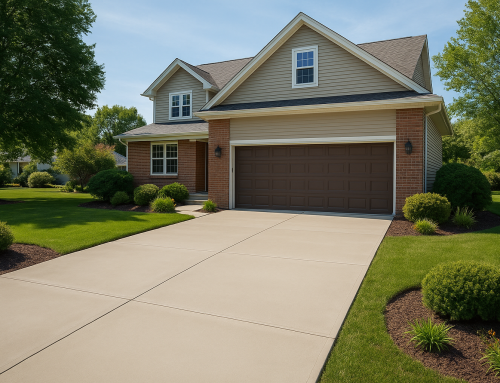
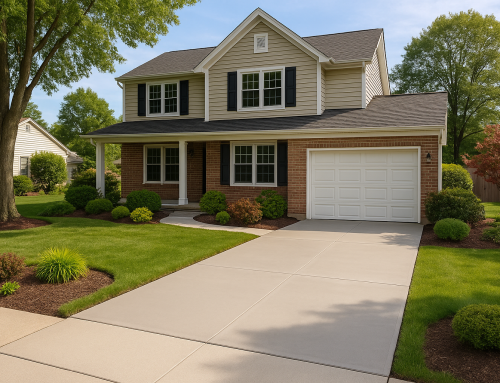
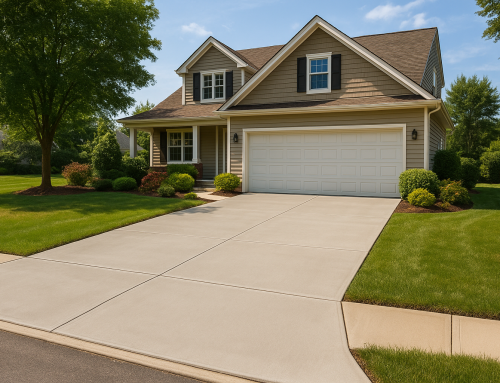
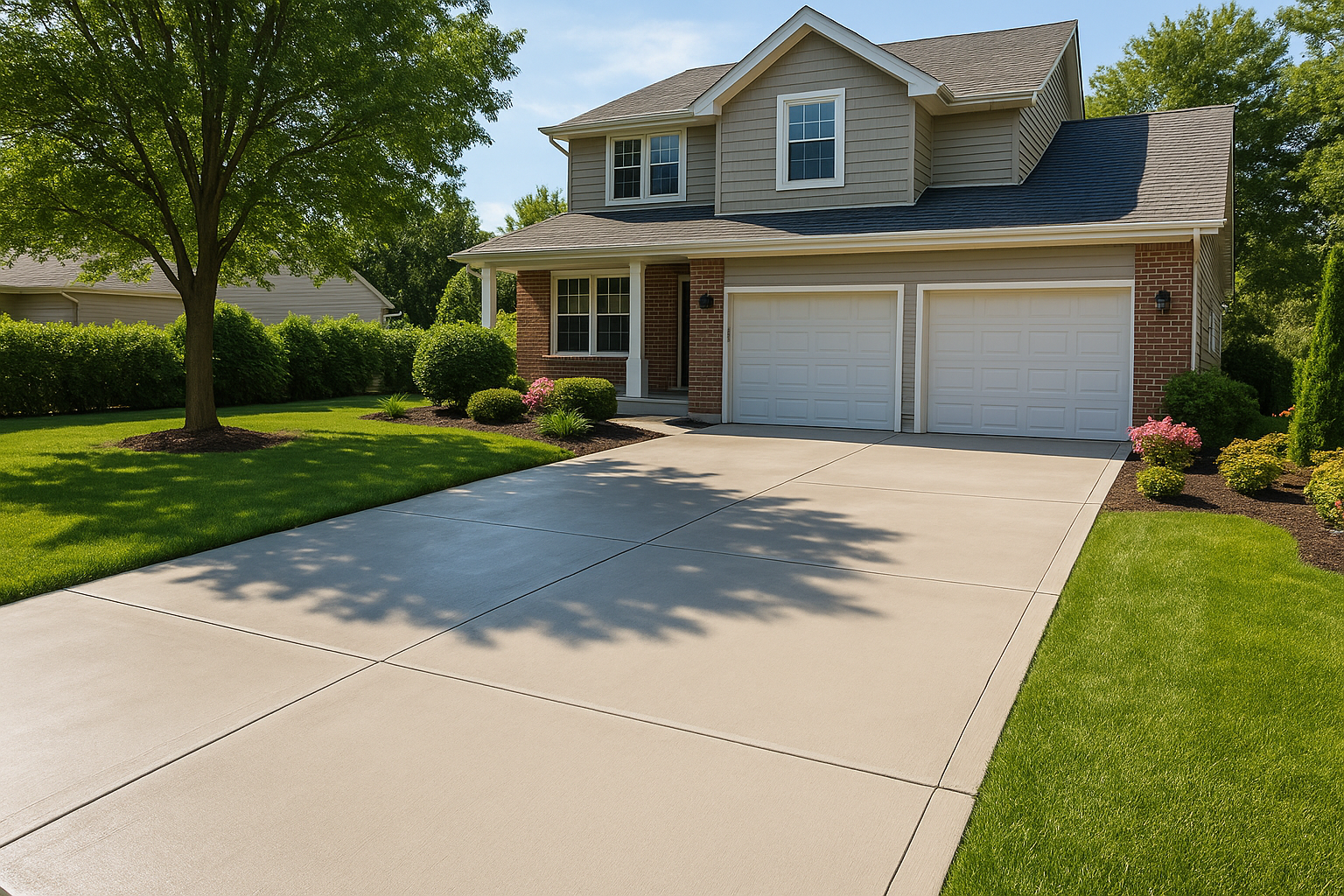
Homeowners often hire concrete companies to build driveways, sidewalks, steps, patios, garage floors, retaining walls, and foundations. Contractors may also create decorative surfaces, such as stamped or colored concrete, and repair cracked or uneven slabs. The right approach depends on the surface, soil, drainage, climate, and how the area will be used.
Commercial and specialized work
Commercial projects can include warehouse floors, loading areas, parking lots, curbs, equipment pads, and structural concrete. These jobs may require larger crews, specialized machinery, detailed scheduling, and coordination with engineers or other trades. If your project has demanding loads, access requirements, or building-code considerations, look for a company with relevant experience rather than relying on a general service list.
How to Choose a Concrete Contractor
A polished website or low price alone cannot tell you whether a company will deliver dependable work. Compare contractors based on relevant experience, communication, documentation, and the clarity of their proposed work.
Check experience and references
Ask how often the company completes projects like yours and request examples of recent work. Photos can help, but references offer a fuller picture. Ask past clients whether the crew arrived as scheduled, kept the site organized, communicated changes, and addressed concerns. If possible, view a completed project in person, especially for decorative finishes or large flatwork.
Confirm that the contractor holds any licenses required in your area and carries appropriate insurance. Requirements differ by location and project type, so verify details with local authorities or the relevant licensing body. Ask for proof of coverage and clarify whether subcontractors will be involved.
Get detailed written estimates
Request written estimates from at least two or three qualified companies. A useful estimate describes the work, materials, surface dimensions, site preparation, reinforcement, finishing, cleanup, and expected schedule. It should also explain what is excluded, such as permits, excavation, removal of old concrete, or unforeseen soil repairs.
Compare the scope, not just the final number. One contractor may include a thicker slab or more extensive preparation, while another may have left those items out. Ask how changes are priced and make sure any additions are approved in writing before work proceeds.
Questions to Ask Before Hiring
A short conversation can reveal how thoroughly a company has considered your project. Ask who will supervise the work, how many days installation may take, and what access the crew needs. Find out how the contractor plans to manage water runoff and direct surface drainage away from buildings where appropriate.
For driveways or other load-bearing areas, ask how the slab design suits expected use and local conditions. For decorative concrete, ask to see samples and discuss how color or texture may vary. You can also ask what maintenance is recommended and when the surface can be walked or driven on. The contractor should explain that timing depends on conditions and the specific mix, rather than promising an unrealistic shortcut.
What to Expect During a Concrete Project
Most projects begin with a site review and measurements. The crew then prepares the area, which may involve removing old material, grading soil, compacting a base, setting forms, and placing reinforcement where the design calls for it. Careful preparation supports the slab and helps reduce problems linked to movement or poor drainage.
After the concrete is placed, workers level and finish the surface. Control joints may be added to guide where cracking occurs as concrete naturally shrinks and moves. The slab then needs time to cure. Weather, mix design, and project requirements affect the curing process, so follow the contractor’s instructions about access, protection, and when to resume normal use.
Understanding Cost and Value
Concrete prices vary with project size, access, design, local labor rates, material availability, and site conditions. A simple, accessible sidewalk typically involves different work than a stamped patio, reinforced foundation, or slab that requires extensive demolition. Difficult excavation, drainage changes, custom finishes, and tight scheduling can also affect the price.
Rather than choosing the lowest bid automatically, consider the full value of the proposal. A clear scope, sound preparation, suitable materials, and experienced installation can help prevent avoidable repairs. Ask whether the estimate includes disposal, delivery, finishing, cleanup, and any applicable taxes or fees. A reputable contractor should be willing to explain the pricing without pressuring you to make an immediate decision.
Warning Signs to Watch For
Be cautious if a company refuses to provide a written estimate, cannot show relevant project examples, or asks for an unusually large upfront payment without a clear reason. Vague promises, missing insurance information, pressure to skip permits, and repeated changes to the price are also reasons to pause. A professional contractor should communicate clearly and give you time to review the agreement.
Conclusion
The best concrete work company for your project is one with relevant experience, a detailed written scope, appropriate credentials, and a clear plan for preparation and curing. Compare proposals carefully, ask direct questions, and choose a contractor who explains the work—not just the price. Thoughtful selection can help you get a concrete surface that looks good and performs reliably for years.