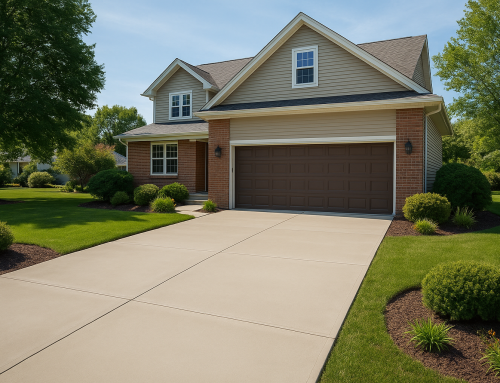
Concrete is a durable, versatile material used for everything from small patio upgrades to major structural projects. Professional concrete work services can help homeowners and property managers plan, install, repair, and maintain concrete surfaces that are safe, practical, and suited to their needs. Understanding what these services include makes it easier to choose the right contractor and prepare for a successful project.
What Do Concrete Work Services Include?
Concrete services cover more than pouring a slab. Depending on the contractor, a project may include site preparation, forming, reinforcement, concrete placement, finishing, curing, repairs, and sealing. Some companies focus on residential work, while others handle commercial or industrial projects. Before requesting a quote, identify the work you need and ask which stages the contractor will manage.
Installation and new construction
Installation services commonly include foundations, driveways, walkways, patios, garage floors, steps, retaining walls, and concrete slabs. Contractors assess the site, prepare the base, set forms, and place reinforcement when appropriate. They then pour and finish the concrete according to the intended use and design.
Good preparation is essential. The ground may need to be excavated, graded, and compacted to create a stable base and direct water away from buildings. Depending on the project, the contractor may also plan control joints to help manage cracking as the concrete cures and responds to temperature changes.
Repairs and replacement
Concrete can develop cracks, uneven areas, surface scaling, or crumbling edges over time. Repair services may address minor defects with patching or resurfacing, while more extensive damage may call for removing and replacing the affected section. The right solution depends on the cause and severity of the problem, as well as the condition of the base below the concrete.
A reliable contractor should explain whether a repair is likely to be lasting or mainly cosmetic. For example, filling a crack may improve appearance and help limit water entry, but it may not correct movement caused by poor drainage or unstable soil. Addressing the underlying issue can prevent repeated repairs.
Decorative finishes
Concrete does not have to look plain. Decorative options include colored concrete, exposed aggregate, stamped patterns, and polished or textured finishes. These treatments can add visual interest to patios, walkways, entryways, and indoor floors. The best choice depends on the setting, expected foot traffic, maintenance preferences, and budget.
Ask to see examples of completed work and discuss how a finish may look after exposure to sunlight, rain, or regular use. Some decorative surfaces require resealing over time, and textured finishes can offer additional grip in areas that may become wet.
How a Concrete Project Typically Works
Knowing the usual project stages helps set realistic expectations. The schedule and details vary with project size, weather, site access, and local requirements, but most jobs follow a similar sequence.
Assessment and planning
The contractor reviews the site, takes measurements, discusses how the area will be used, and identifies practical considerations such as drainage, access, and nearby structures. You may also need to confirm property boundaries, permits, or utility locations before work begins. A written proposal should describe the scope, materials, finish, approximate schedule, and payment terms.
Site preparation and placement
After the work area is prepared, the crew installs forms and any specified base materials or reinforcement. Concrete is then delivered and placed. Because fresh concrete has a limited working time, access and preparation need to be coordinated in advance.
Finishing and curing
Workers shape the surface and apply the agreed finish, then cut or form joints where needed. Concrete also needs time to cure, so the area may be closed to foot traffic or vehicles for a period. Follow the contractor’s instructions about when it is safe to use the new surface and how to protect it during early curing.
Choosing a Concrete Contractor
Compare contractors on more than price alone. Look for experience with the type of project you have, clear communication, and a detailed written estimate. Ask whether the company carries appropriate insurance and whether it can provide references or photos of similar work. Confirm who is responsible for permits, cleanup, and any required preparation.
When reviewing bids, check that each one describes comparable work. Differences in excavation, base depth, reinforcement, concrete thickness, finishing, and cleanup can affect both cost and performance. Ask questions if a quote is vague, and be cautious of guarantees that sound unrealistic or pressure to make an immediate decision.
Care and Maintenance
Routine care can help concrete stay in good condition. Keep surfaces clean, clear debris from joints, and make sure water drains away rather than pooling beside slabs or foundations. Avoid using harsh de-icing chemicals unless they are suitable for the concrete and climate. If sealing is recommended, follow the product and contractor guidance on timing and reapplication.
Check for changes such as widening cracks, recurring puddles, or sections that begin to settle. Addressing drainage or movement concerns early may reduce further damage. Even well-installed concrete can develop some cracking, so ask the contractor how to distinguish normal wear from a problem that needs attention.
Conclusion
Concrete work services can support projects from new installations to repairs and decorative upgrades. Clear planning, careful site preparation, and an experienced contractor are key to a result that suits your property and intended use. Define your priorities, compare detailed proposals, and follow recommended curing and maintenance guidance to get the most from your investment.