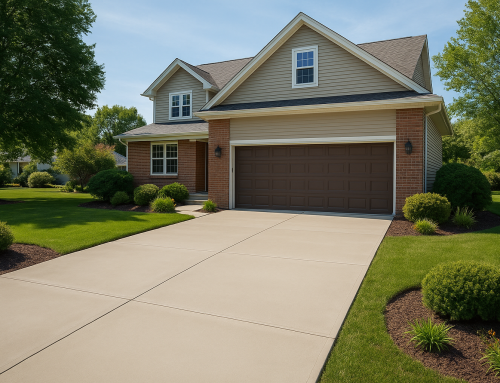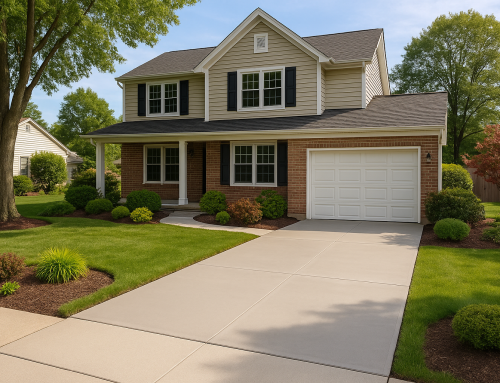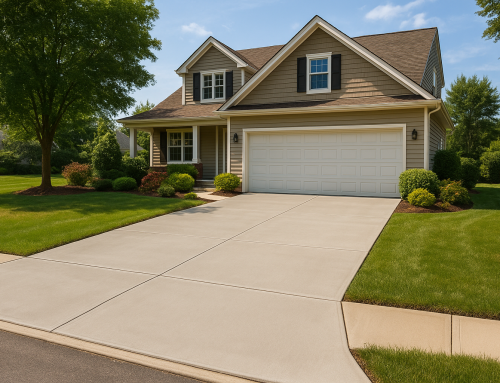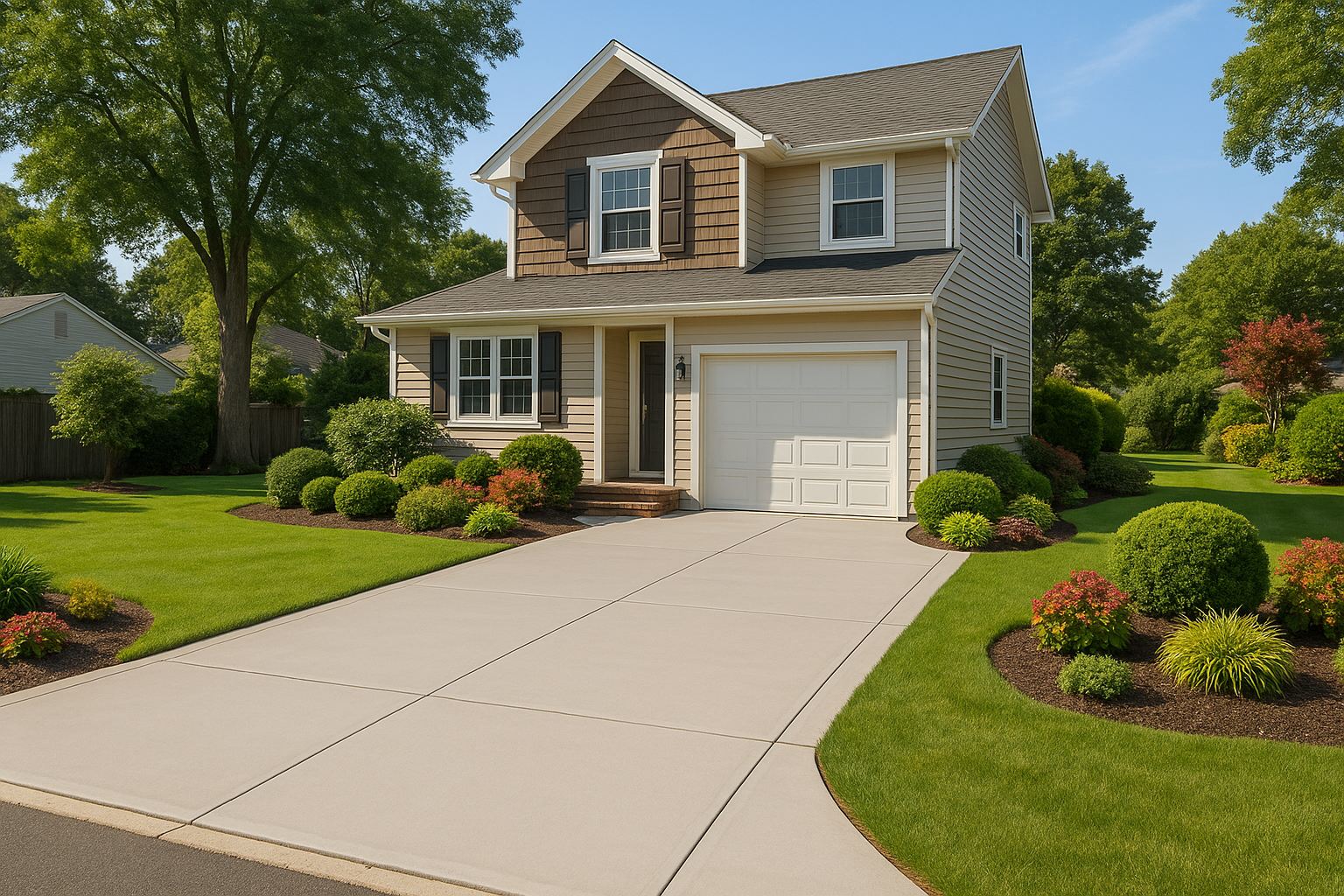
A contractor mason builds, repairs, and restores structures made from materials such as brick, stone, concrete block, and natural stone. Whether you are planning a new patio, repairing a chimney, or adding a masonry wall, the right professional can help make sure the finished work is safe, durable, and suited to your property.
Understanding a mason’s services, project process, and qualifications can make it easier to plan your work and compare contractors. Here is what to know before hiring a masonry professional.
What Is a Contractor Mason?
A contractor mason is a skilled tradesperson or business that completes masonry work, often managing the project from preparation through cleanup. Depending on the scope, a mason may work independently or coordinate with general contractors, architects, engineers, and other trades.
Masonry relies on careful measuring, material selection, and installation. Brick and block courses must be aligned, mortar joints need to be consistent, and the base must be appropriate for the structure. Good workmanship affects both appearance and performance, particularly when a project is exposed to weather or supports significant weight.
Common Services Offered by Masonry Contractors
Services vary by contractor, but many masonry professionals handle both new construction and repairs. Common projects include:
- Brickwork: Building exterior walls, garden walls, fireplaces, steps, and brick features.
- Stonework: Installing stone veneers, retaining walls, walkways, patios, and decorative elements.
- Concrete block construction: Building foundations, utility walls, and other block structures.
- Chimney work: Repairing mortar joints, replacing damaged bricks, or rebuilding sections of a chimney.
- Hardscaping: Creating outdoor living areas, pavers, paths, and landscape walls.
- Masonry restoration: Repointing mortar, replacing deteriorated units, and repairing weather-related damage.
New Construction and Repairs
New masonry work may involve excavation, a prepared footing or base, material delivery, installation, and finishing. Repair work requires a different assessment. A contractor should identify the underlying cause of cracking, water intrusion, or loose masonry before recommending a fix. Patching visible damage without addressing its source may only provide a short-term improvement.
Why Hire a Professional Mason?
Masonry can look straightforward, but small installation mistakes can lead to uneven surfaces, water problems, or premature deterioration. An experienced contractor understands how materials respond to moisture, temperature changes, and structural movement. They can also recommend suitable mortar and installation methods for the existing building and local climate.
A professional can help you avoid costly errors, plan material quantities, and manage safety concerns on site. For larger walls, chimneys, foundations, or retaining structures, engineering input or permits may be required. A qualified contractor can explain when additional approvals or specialists are needed instead of treating every project as a simple repair.
How to Choose a Contractor Mason
Choosing a contractor involves more than comparing the lowest estimate. Look for a professional whose experience and communication style fit your project.
Check Experience and References
Ask how long the contractor has been doing masonry work and whether they regularly complete projects like yours. Request photos of comparable jobs and, when possible, references from recent customers. A contractor experienced in brick restoration, for example, may not be the best match for a complex natural-stone installation.
Verify Credentials and Insurance
Confirm that the business meets local licensing requirements, if applicable. Ask for proof of liability insurance and workers’ compensation coverage where required. These protections can help reduce risk if an accident or property damage occurs during the work.
Request a Detailed Written Estimate
A useful estimate should describe the work, materials, preparation, cleanup, payment schedule, and expected timeline. It should also note what is excluded, such as permit fees, hidden damage, or landscaping repairs. Clear details make it easier to compare bids and avoid misunderstandings once work begins.
Discuss Communication and Scheduling
Ask who will supervise the job, how often you will receive updates, and how delays or unexpected conditions will be handled. Masonry projects can be affected by weather, material availability, and the condition of existing structures. A reliable contractor will set realistic expectations and explain changes before proceeding.
What to Expect During a Masonry Project
Most projects begin with an inspection and discussion of your goals. The contractor may measure the area, check access, evaluate drainage, and look for structural or moisture concerns. After you approve the estimate and any required permits are arranged, the work typically moves through site preparation, installation or repair, curing, and cleanup.
Ask whether you need to move vehicles, protect nearby plants, or keep people and pets away from the work area. Fresh mortar and concrete need appropriate curing conditions, so the contractor may advise you to avoid loading or washing the finished surface for a specified period. Follow those instructions to help the work perform as intended.
Understanding Masonry Costs
The price of masonry work depends on the project’s size, design, materials, access, and condition of the site. Custom stonework and detailed restoration generally require more labor than straightforward installation. Repairs may also become more involved if a contractor uncovers damaged framing, unstable foundations, or hidden water issues.
When reviewing estimates, compare the scope and material quality rather than looking at the total alone. Ask how additional work will be priced and approved. A written change order helps document the cost and scope of any changes before the contractor continues.
Conclusion
A skilled contractor mason can improve the strength, function, and appearance of your property with well-planned masonry work. Define your project, check qualifications, and compare detailed written estimates before making a decision. Clear expectations and experienced workmanship are a solid foundation for lasting results.