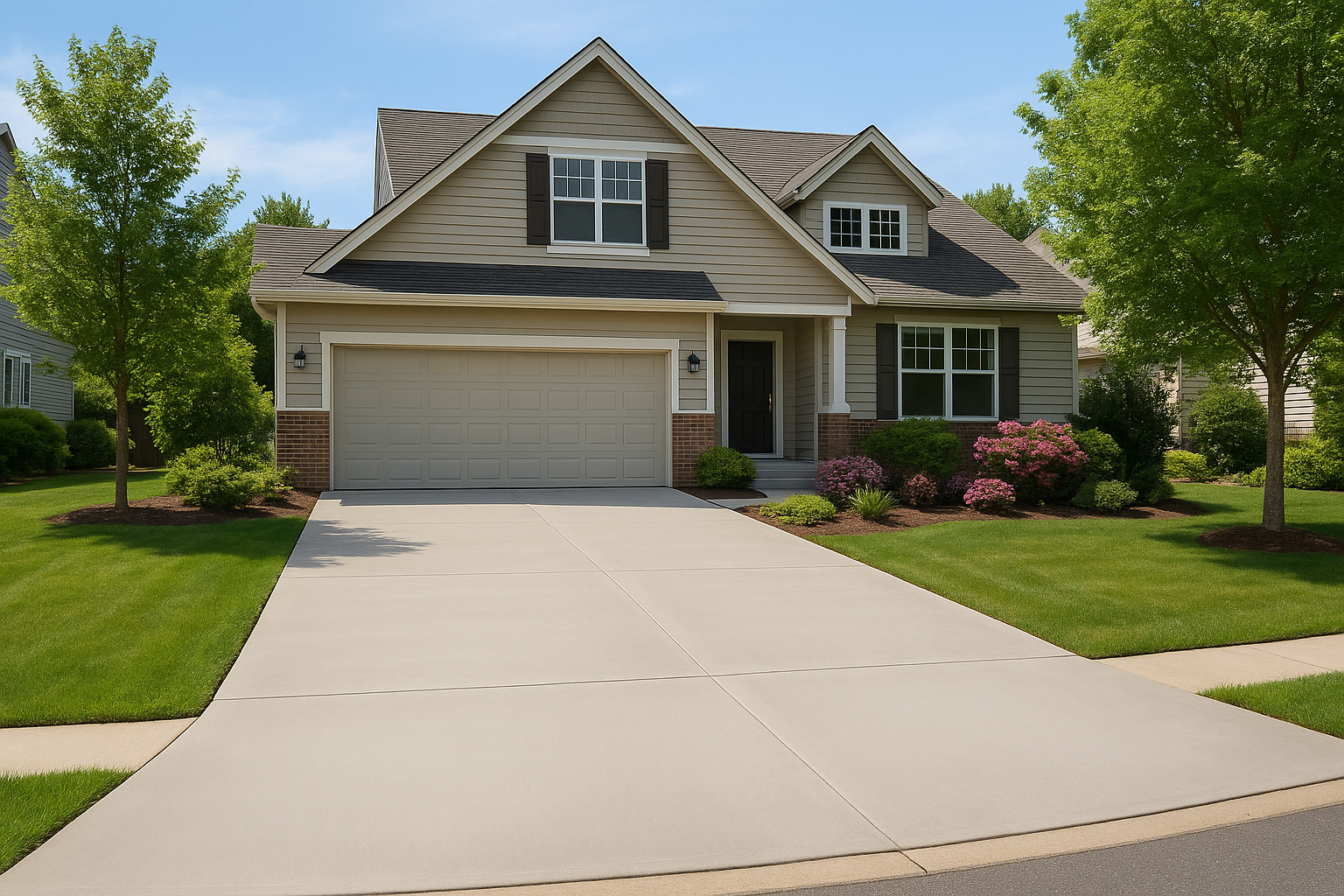
Concrete work can shape the safety, function, and appearance of your property for years. Whether you are planning a driveway, patio, foundation, walkway, or commercial slab, choosing the right contractor is just as important as choosing the design. The best concrete contractor combines experience, clear communication, dependable workmanship, and a detailed plan for your specific project.
Rather than selecting the first available quote, take time to compare qualifications and understand what each contractor will deliver. These steps can help you make an informed choice and avoid costly surprises.
Know What Your Concrete Project Requires
Start by defining the work you want done. Consider the location, approximate dimensions, intended use, finish, and any drainage or access concerns. A decorative patio, for example, may require different skills and materials than a reinforced garage slab. Having a clear project description makes it easier to compare contractors on equal terms.
Identify the scope and priorities
Write down must-haves such as a particular color, stamped pattern, expected completion window, or accessibility feature. Also note potential complications, including sloped ground, existing concrete, limited equipment access, or nearby landscaping. You do not need a technical design before requesting estimates, but sharing these details helps contractors provide more accurate proposals.
Look for Relevant Experience and Qualifications
Concrete includes many types of work, and experience in one area does not automatically mean expertise in another. Ask whether the contractor regularly completes projects like yours and how long they have been doing that work. Review a portfolio that shows both the finished surfaces and, when possible, project stages such as preparation, reinforcement, and placement.
Check licensing, insurance, and references
Confirm that the contractor holds any licenses required in your area. Ask for proof of general liability insurance and workers’ compensation coverage, and verify that the documents are current. These protections help reduce your exposure if property damage or a job-site injury occurs.
Request references from recent customers with similar projects. Ask about communication, punctuality, site cleanup, adherence to the estimate, and how the concrete has held up. Online reviews can add useful context, but direct conversations may reveal details that a star rating cannot.
Compare Detailed Written Estimates
Price matters, but the lowest bid is not necessarily the best value. A useful estimate should explain the work included, materials, preparation, project dimensions, finish, timeline, payment schedule, and cleanup. It should also state what is excluded, such as permits, removal of unexpected buried material, or repairs to adjacent surfaces.
Understand what is included
Ask how the contractor plans to handle excavation, grading, base material, forms, reinforcement, concrete thickness, joints, and curing. These details affect performance and longevity. The right specifications depend on the intended use, soil, climate, and local requirements, so ask the contractor to explain why their proposed approach fits your site.
Compare bids line by line where possible. If one estimate is much lower, ask what accounts for the difference. It may reflect a smaller scope, a different material specification, or an item that has not been included. Getting clarification before work begins is easier than resolving a misunderstanding later.
Evaluate Communication and Professionalism
A strong contractor should be willing to answer questions in plain language. Notice whether they listen to your goals, explain options, and communicate promptly. They should be clear about who will supervise the job, how schedule changes will be handled, and how you can reach them once work starts.
Watch for warning signs
Be cautious if a contractor pressures you to sign immediately, demands full payment upfront, avoids providing a written contract, or refuses to show insurance documents. Vague promises, unexplained cash-only terms, and estimates that leave out basic project details are also reasons to slow down. A reputable professional should welcome reasonable questions and provide clear documentation.
Review the Contract Before Work Begins
Before signing, make sure the written agreement matches your understanding of the project. It should identify the contractor and property owner, describe the scope and materials, list the price and payment milestones, and provide an estimated start and completion period. Include agreed finishes, cleanup expectations, and procedures for approving changes.
Ask how weather delays, site conditions, and additional work will affect the schedule or cost. Changes should be documented and approved in writing before they are carried out. Keep copies of the contract, estimates, receipts, permits, and project messages together for easy reference.
Ask About Scheduling, Curing, and Maintenance
Concrete projects depend on suitable site conditions and careful timing. Ask what needs to be moved or prepared before the crew arrives, how long installation is expected to take, and when the surface can be walked or driven on. The answer varies with the project, concrete mix, weather, and site conditions, so follow the contractor’s specific guidance.
Discuss curing and aftercare before the pour, not after it. Ask whether sealing is recommended, when it should be applied, and what routine maintenance will help protect the surface. Understanding these steps can help you avoid premature wear and care for your investment properly.
Choose the Best Fit, Not Just the Best Price
The best concrete contractor is the one whose relevant experience, written plan, communication, and price make sense together. Compare multiple qualified bids, check references, and trust a professional who is transparent about both the work and its limitations. Taking these steps can reduce uncertainty and give your project a stronger start.
Conclusion
Finding a dependable concrete contractor takes a little research, but it can make a lasting difference to the finished result. Define your needs, verify qualifications, compare detailed estimates, and put the agreement in writing. With a clear plan and the right professional, you can move forward with greater confidence.