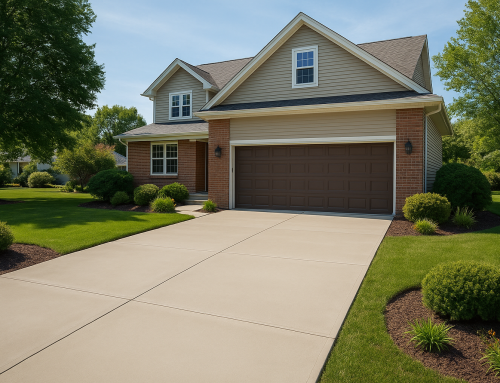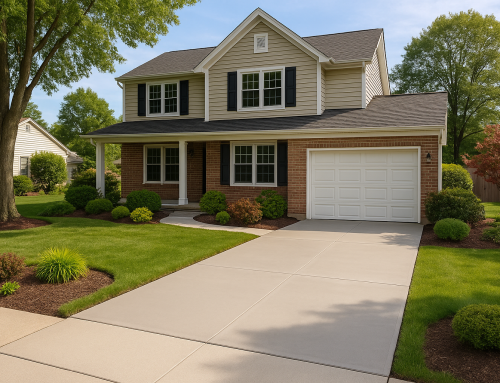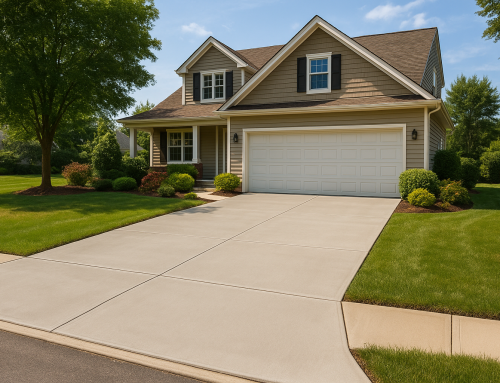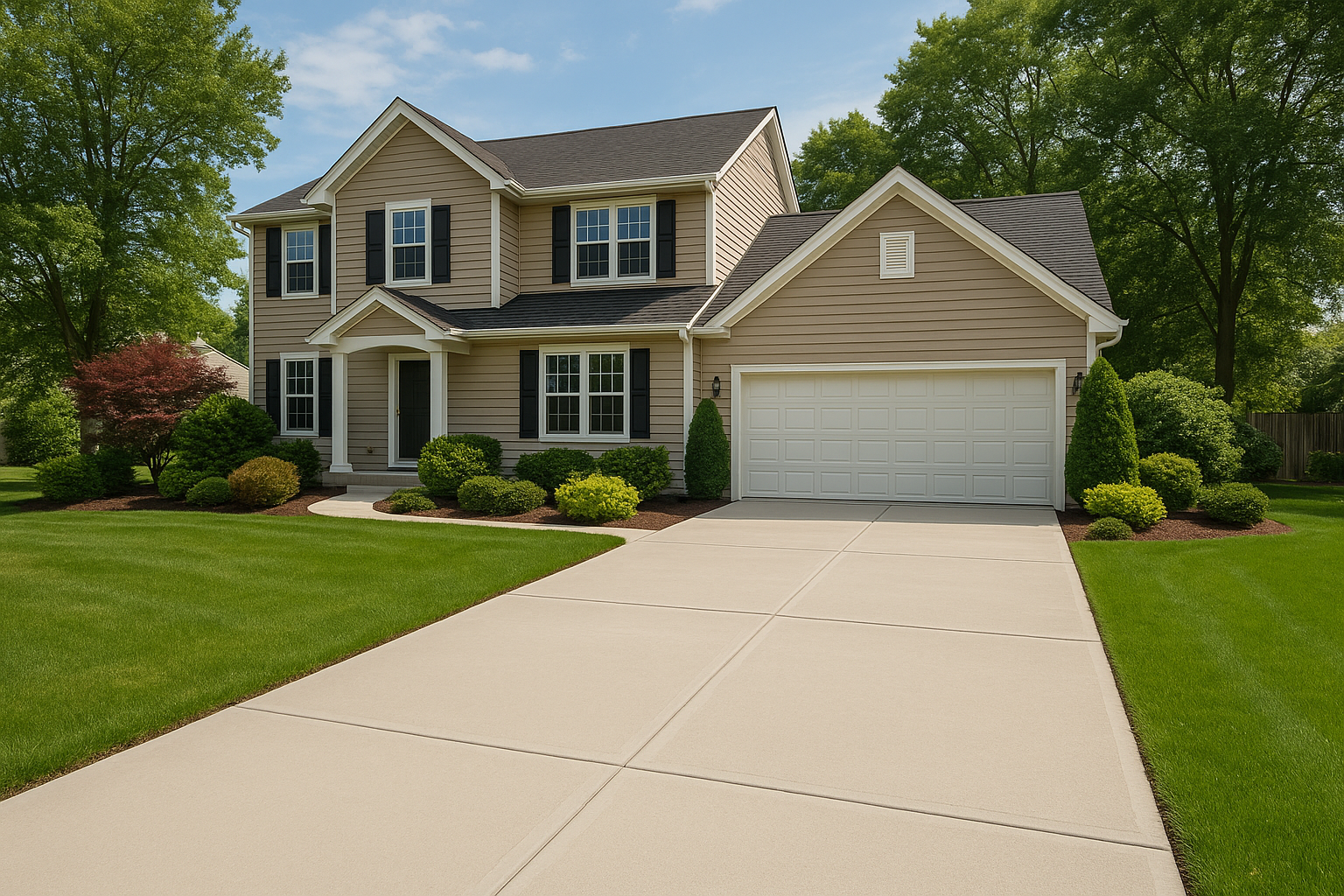
A residential concrete driveway can provide a durable, attractive place to park while improving the approach to your home. Concrete offers a clean, versatile appearance and can last for decades when it is designed, installed, and maintained properly. Knowing what to expect—from site preparation to curing—can help you make informed choices and avoid common problems.
Why Choose a Concrete Driveway?
Concrete is a popular driveway material because it combines strength with design flexibility. A well-built slab can handle regular vehicle traffic, resist rutting, and require less routine attention than some alternatives. Its light color can also reflect more sunlight than dark paving materials, which may help keep the surface cooler in warm weather.
Appearance is another advantage. Standard gray concrete has a simple, classic look, while color, exposed aggregate, stamping, and different finishes can add character. Decorative options usually increase the project price, so consider how the driveway will complement your home and landscape before choosing a finish.
Concrete is not maintenance-free, and it can crack if the site or installation is poorly managed. Repairs may also be more noticeable than on some other surfaces. A good design and qualified contractor are essential to getting the performance you expect.
Planning Your Driveway Project
Consider layout, drainage, and access
Start by reviewing how you use the driveway. Consider the number and size of vehicles, turning space, walking routes, and access to garages or gates. A wider or longer design may be more convenient, but it can require more excavation and materials. Check property boundaries, underground utilities, local permits, and any homeowners association requirements before work begins.
Drainage deserves special attention. Water should flow away from the house and other structures rather than collect on the slab or run toward a neighbor’s property. The contractor may use grading, a suitable slope, or drainage features to manage runoff. Local rules can affect how stormwater must be handled.
Choose a contractor and compare estimates
Ask contractors for written estimates that explain the scope of work, including removal of an existing driveway, excavation, base material, concrete thickness, reinforcement, joints, finish, and cleanup. Check references and examples of completed projects, and confirm that the contractor is appropriately licensed and insured where required. Comparing detailed estimates is more useful than choosing by price alone.
What Affects Cost?
There is no single price for every residential concrete driveway. Cost depends on the driveway’s size and shape, local labor and material prices, site access, soil conditions, and how much old pavement or earth must be removed. A steep or poorly drained site may need additional preparation. Decorative finishes, borders, color, and reinforcement can also affect the total.
Request a breakdown so you understand what is included and what could lead to extra charges. Ask how changes to the design, unexpected soil conditions, or drainage work would be handled. A clear agreement helps prevent misunderstandings once construction is underway.
How Concrete Driveways Are Installed
Site preparation and the base
A lasting driveway begins below the concrete. The crew typically marks the area, removes unsuitable soil or existing pavement, and grades the site. A compacted base of suitable granular material creates more stable support and helps manage water. Skipping careful preparation can increase the risk of settling, uneven sections, or cracking.
Pouring, finishing, and joints
Concrete thickness and reinforcement should suit the expected use and local conditions. A slab around four inches thick is common for passenger vehicles, but heavier vehicles, soil conditions, and local requirements may call for a different design. Reinforcement can help control crack behavior, but it does not guarantee a crack-free slab.
After the concrete is placed, the crew levels and finishes the surface. A broom finish is a common practical choice because it adds texture for traction. Control joints are added to encourage shrinkage cracks to form in planned locations. Their placement and spacing should be part of the installation plan, not an afterthought.
Curing and first use
Curing allows concrete to gain strength as it hardens; it is not simply a matter of waiting for the surface to look dry. Follow the contractor’s instructions about keeping the slab protected and when it is safe to walk or drive on it. Timing varies with the mix, weather, and site conditions. Avoid parking heavy vehicles on new concrete until the contractor says it is ready.
Maintenance and Common Problems
Regular care is straightforward. Remove leaves, dirt, and other debris, and clean spills before they become difficult to treat. Avoid using harsh de-icing products unless they are approved for your concrete and climate. In areas with freeze-thaw cycles, proper drainage and prompt snow removal can help limit water-related damage.
Small cracks can develop even in properly installed concrete as the material shrinks and responds to changes in temperature. Keep an eye on cracks that widen, shift, or allow water to collect. A contractor can advise whether sealing or repair is appropriate. If you choose to seal the driveway, use a product designed for concrete and follow its maintenance schedule; sealing is not a substitute for sound drainage or installation.
For stubborn stains, use a concrete-safe cleaner and test it in a discreet area first. Avoid aggressive methods that could damage the finish. Seasonal checks can help you catch drainage issues, surface deterioration, or joint problems early.
Conclusion
A residential concrete driveway can be a durable, attractive investment when it is planned for your site and built on a properly prepared base. Compare detailed estimates, prioritize drainage and workmanship, and follow curing and maintenance guidance. These steps help your driveway serve your household well for years.