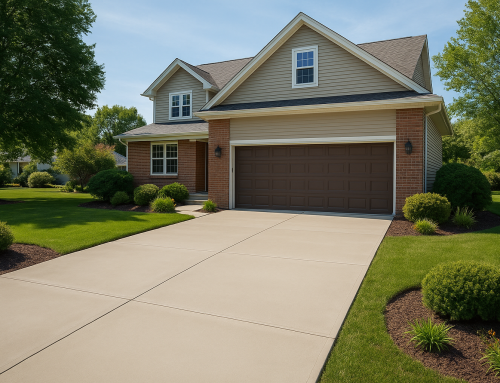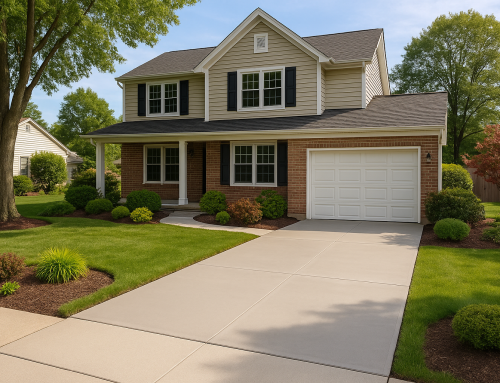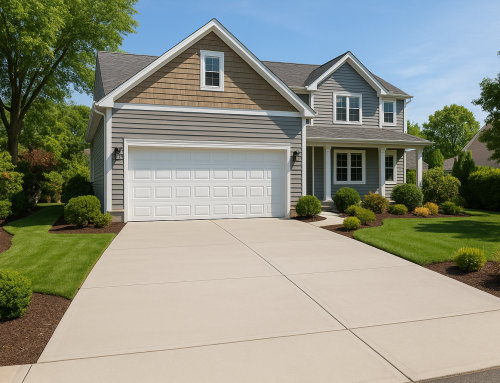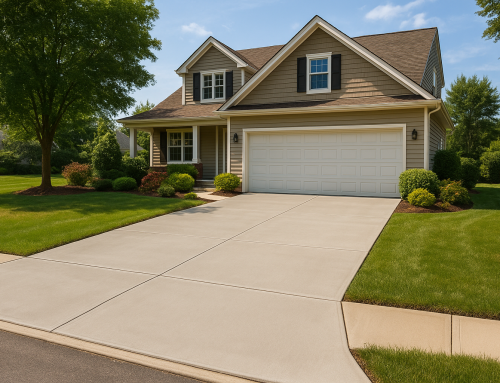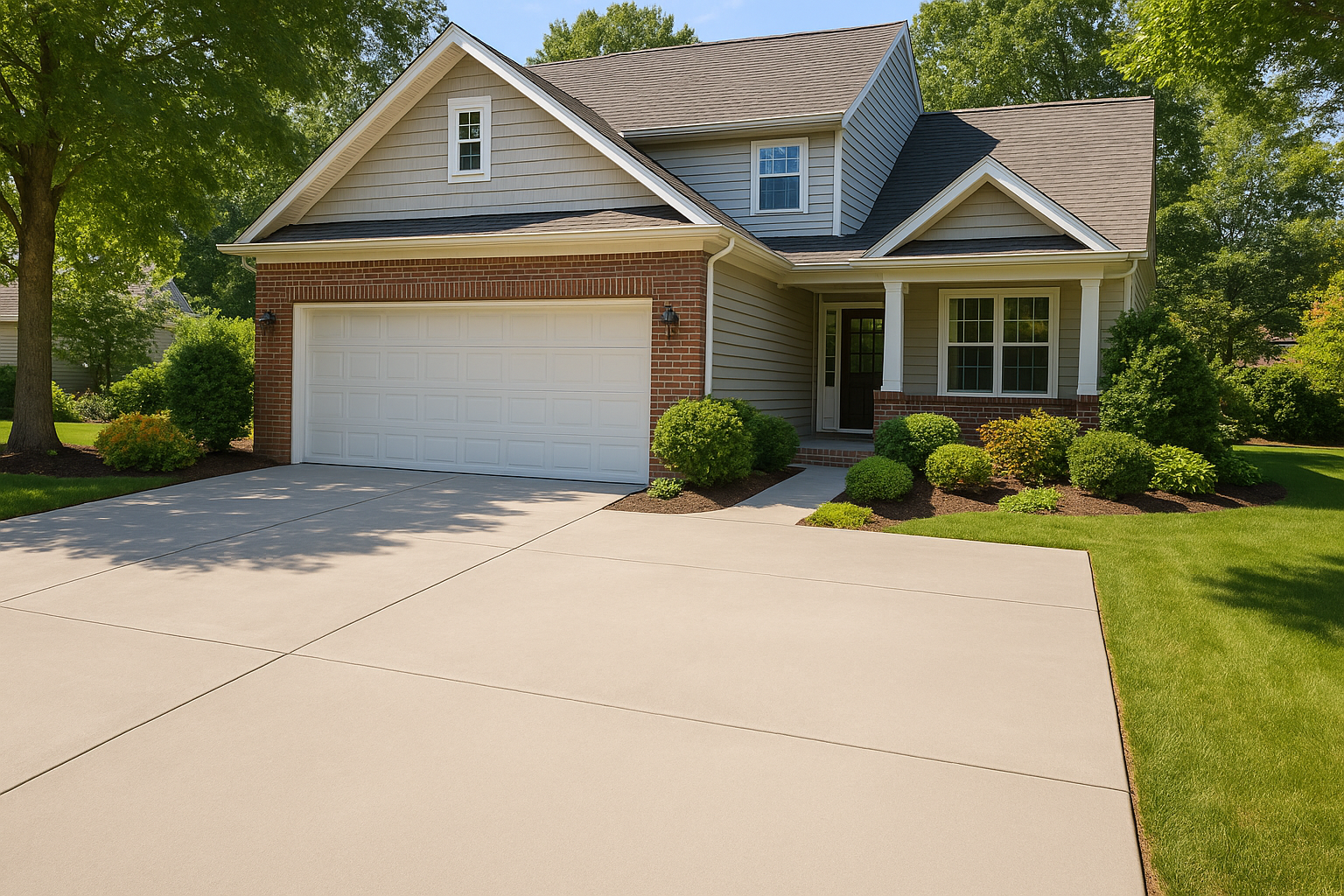
Pouring concrete over an existing slab can be a practical way to refresh a worn driveway, patio, basement floor, or walkway. It may save the work of breaking up and hauling away the old concrete—but it is not a fix for every problem. A successful overlay depends on the condition of the existing slab, the right materials, and careful surface preparation.
Can You Pour Concrete on Top of Concrete?
Yes, new concrete can be placed over old concrete when the existing slab is stable, reasonably level, and free of major structural damage. The new layer is often called an overlay. Depending on the product and purpose, it may be a thin resurfacing material or a thicker concrete topping.
The key question is whether the old concrete can support the new layer. An overlay adds weight and follows the movement of the surface beneath it. If the original slab is sinking, badly cracked, or shifting, the new concrete may crack or separate too.
When an overlay is a good option
- The slab has surface wear, minor pitting, or small cosmetic cracks.
- The concrete is stable and does not move underfoot or vehicle traffic.
- There is enough clearance at doors, drains, steps, and adjoining surfaces for the added height.
- You want to improve the surface without removing the entire slab.
When to avoid pouring over old concrete
Do not cover a slab with widespread deep cracks, significant heaving, loose or crumbling sections, or ongoing settlement. These problems usually need repair at the base or complete removal and replacement. Covering them can hide the damage temporarily, but the movement is likely to show through the new surface.
Choose the Right Type of Overlay
The correct material depends on how thick the new layer needs to be and how the surface will be used. Concrete resurfacer is designed for thin applications and cosmetic renewal. A bonded concrete topping can be thicker and may help correct minor unevenness, but it still requires a sound base. Some projects call for a specialty overlay formulated for driveways, interior floors, or decorative finishes.
Check the product label for minimum and maximum thickness, surface preparation, mixing instructions, and suitable uses. Standard concrete mixes are not automatically suitable for a thin overlay; the aggregate size and required depth matter. For a structural or load-bearing topping, consult a qualified contractor or engineer rather than relying on a general-purpose resurfacing product.
How to Prepare the Existing Slab
Preparation is one of the most important parts of the job. New material will not bond reliably to dirt, oil, paint, sealers, or weak concrete.
1. Inspect and repair the surface
Remove loose or flaking concrete and check for cracks, soft spots, and signs of movement. Repair minor defects with a compatible concrete repair product. Larger cracks or areas that continue to shift should be assessed before you proceed. Make sure water drains away from the slab instead of collecting on it.
2. Clean thoroughly
Remove leaves, dust, grease, paint, and old coatings. Scrubbing and pressure washing may help, but allow the slab to dry as directed by the overlay manufacturer. If the surface has been sealed, the sealer may need to be removed so the new material can bond.
3. Create a suitable surface profile
A smooth, glossy surface may need mechanical grinding or another approved method of roughening. The aim is to expose clean, sound concrete without leaving dust or loose material behind. Wear appropriate eye, hearing, and respiratory protection when grinding or cutting concrete.
Basic Steps for Applying a Concrete Overlay
- Plan the height. Measure the intended thickness and check door clearances, drains, stairs, and transitions to neighboring surfaces.
- Set forms and protect edges. Use forms where needed to hold the material in place and maintain a consistent edge.
- Dampen or prime the surface as specified. Some systems require a damp, surface-dry slab; others use a bonding primer or bonding agent. Follow the product instructions rather than guessing.
- Mix carefully. Use the stated water ratio and mixing time. Adding extra water can weaken the finished overlay and increase the risk of cracking.
- Place and finish the material. Work in manageable sections, spread it evenly, and use the finishing method recommended for the product. For an exterior walking surface, a lightly textured finish can improve traction.
- Protect and cure it. Keep people, pets, and vehicles off the new surface for the period specified by the manufacturer. Protect it from rapid drying, rain, and freezing conditions while it cures.
Temperature, humidity, and direct sunlight can affect working time and curing. Choose suitable weather and avoid starting a project if conditions fall outside the product’s recommended range.
Common Problems to Prevent
Skipping surface preparation: Dirt, sealer, or weak concrete can prevent a strong bond, leading to peeling or hollow spots. Covering active cracks: Cracks caused by movement may reappear through the overlay. Repairing the cause matters more than hiding the line. Making the layer too thin: A product applied below its specified minimum thickness may not perform as intended. Adding too much water: An overly wet mix can reduce strength and make the surface more prone to defects. Ignoring drainage and height: A raised surface can block a door, cover a drain, or direct water toward a building.
Should You Do It Yourself?
A small patio or walkway resurfacing project may be manageable for a careful DIYer, particularly when using a product designed for straightforward application. Larger slabs, driveways, severe unevenness, structural concerns, or decorative finishes often benefit from professional assessment and installation. Concrete materials can set quickly, so make sure you have enough help, tools, and time before mixing.
Conclusion
Concrete on top of concrete can restore a worn surface when the original slab is sound and the overlay is matched to the job. Inspect the slab, prepare it thoroughly, follow the product instructions, and address movement or drainage problems before covering anything. When the existing concrete is unstable, replacement is usually the more dependable solution.