Concrete is used for everything from driveways and patios to foundations, walkways, and commercial floors. But a durable result takes more than mixing cement and pouring it into a form. Professional service concrete work brings together planning, material selection, site preparation, placement, finishing, and proper curing. Understanding what these services include can help you plan a project and choose the right contractor.
What Does Service Concrete Include?
Service concrete generally refers to the professional services involved in installing, maintaining, or repairing concrete surfaces and structures. The exact scope depends on the contractor and project. Some companies focus on residential flatwork, while others handle structural, decorative, or large commercial jobs.
A full-service provider may help with measurements, recommendations, scheduling concrete delivery, forming, reinforcement, pouring, finishing, and cleanup. Contractors may also offer demolition and replacement, crack repair, resurfacing, or decorative treatments. Asking which tasks are included in a quote helps you compare providers fairly.
Common Types of Concrete Services
Driveways, Walkways, and Patios
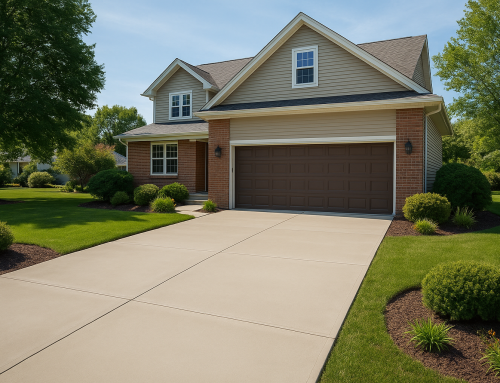
Flatwork is among the most familiar concrete services. Contractors install driveways, paths, patios, garage floors, and other level surfaces. Proper grading and a well-prepared base are essential: they help direct water away from buildings and reduce the risk of uneven settling. Reinforcement and control joints may also be used, depending on the design and site conditions.
Foundations and Structural Concrete
Foundations, retaining walls, footings, and structural slabs need careful planning and installation. These projects must account for soil, drainage, loads, local building requirements, and engineering specifications. For structural work, confirm that the contractor has relevant experience and understands the plans and permitting requirements for your project.
Decorative Concrete
Concrete can be finished in a range of styles, including colored, stamped, exposed-aggregate, or textured surfaces. Decorative options can give a patio or walkway a distinctive appearance while retaining the practical qualities of concrete. The chosen finish can affect the project schedule and maintenance needs, so discuss samples, color variation, and sealing with your contractor before work begins.
Concrete Repair and Replacement
Small cracks, surface scaling, and worn edges may sometimes be repaired or resurfaced. More serious damage—such as widespread movement, major deterioration, or persistent drainage problems—may call for partial or full replacement. A professional assessment can help identify the likely cause, not just cover the visible symptoms. Repair methods depend on the condition of the concrete and what the surface is used for.
How a Concrete Project Typically Works
Knowing the basic steps makes it easier to prepare your property and understand your contractor’s schedule.
- Planning and estimate: The contractor reviews measurements, access, intended use, finish, site conditions, and your priorities. The written estimate should explain the work and identify major materials or options.
- Site preparation: The work area is marked, excavated as needed, and prepared with a suitable base. Forms create the planned shape and edges. Utilities, drainage, and access for equipment should be considered before work starts.
- Reinforcement and placement: Where the design calls for it, reinforcement is installed. Concrete is then delivered, placed, and distributed within the forms. Timing and coordination matter because fresh concrete must be worked while it is still workable.
- Finishing and curing: The surface is finished to suit its purpose, and joints may be cut or formed to help manage cracking. Concrete then needs time and appropriate conditions to cure. Follow the contractor’s instructions about foot traffic, vehicles, and protecting the new surface.
What Affects the Cost of Concrete Services?
There is no single price for concrete work. Costs can vary with the project’s size and thickness, the amount of excavation, base preparation, reinforcement, concrete mix, finish, site access, and local labor and material rates. Removing old concrete, handling drainage concerns, or working around obstacles can add time and expense. Seasonal weather may also affect scheduling and curing precautions.
When comparing estimates, look beyond the total. Check that each quote describes a similar scope, finish, preparation, and cleanup. Ask whether permits, demolition, reinforcement, sealing, or disposal are included. A clear, detailed estimate makes it easier to spot differences and avoid surprises.
How to Choose a Concrete Contractor
Start by looking for contractors with experience in the kind of work you need. Ask for recent project examples, references, proof of appropriate insurance, and any licenses required in your area. Find out who will manage the job and how changes, weather delays, and site concerns will be handled.
Before signing, make sure the written agreement covers the work scope, materials or finish, payment schedule, estimated timeline, and cleanup. A dependable contractor should be willing to explain the process and answer practical questions without pressuring you to make a quick decision.
Preparing for the Work and Caring for New Concrete
Before the crew arrives, clear vehicles, furniture, planters, and other items from the work area. Confirm access routes and discuss any pets, gates, or nearby landscaping that need attention. If utilities or irrigation lines could be affected by excavation, point them out and arrange for appropriate locating before digging.
After installation, follow the contractor’s guidance on curing and when the surface can be used. Avoid placing heavy loads on new concrete too early. Keep drainage paths clear, clean spills promptly, and use products suitable for the finish. Sealing may be recommended for some surfaces, but the right timing and maintenance schedule depend on the concrete and local conditions.
Conclusion
Professional service concrete covers much more than the pour itself. Careful planning, sound preparation, skilled placement, and proper curing all contribute to a functional, long-lasting result. Define your needs, compare detailed estimates, and choose an experienced contractor who communicates clearly from the first site visit through completion.