
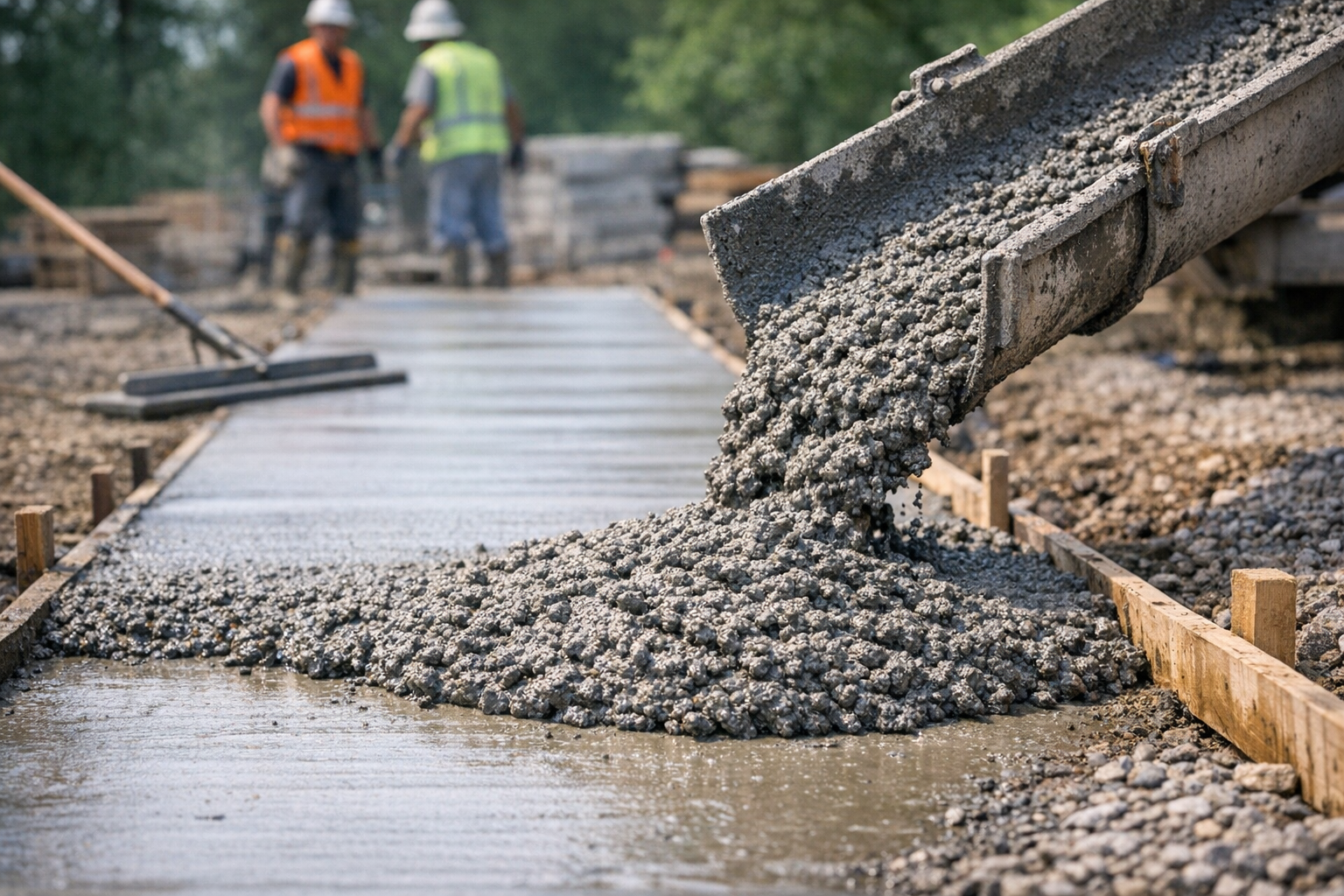
Concrete runoff, often called concrete run, is a common issue on construction sites and home projects alike. It happens when wet concrete flows beyond the intended area before it sets, creating mess, wasted material, uneven surfaces, and potential damage to nearby finishes or landscaping. Whether you are pouring a driveway, slab, walkway, or footing, understanding concrete run can save time, money, and frustration.
What Is Concrete Run?
Concrete run refers to the unintended movement or spilling of wet concrete during placement. Because fresh concrete is heavy and highly workable, it can travel through gaps in forms, over edges, or down slopes if it is not properly contained. In some cases, the term also describes excess concrete that runs off from a pour due to overwatering, poor formwork, or uncontrolled placement.
Although it may sound like a minor inconvenience, concrete run can affect the quality of the final structure. It may cause surface defects, create cleanup problems, and lead to costly repairs if it reaches areas that should remain clean or dry.
Why Concrete Run Happens
Concrete run usually occurs because of one or more preventable issues. The most common causes include:
- Poorly sealed forms: Gaps between boards or around edges allow slurry and aggregate to escape.
- Overly wet mix: Too much water makes concrete easier to spread, but it also increases the likelihood of run-off and weakens the finished product.
- Steep slopes: On sloped surfaces, gravity can pull the mix downhill before it is fully placed and compacted.
- Excessive pouring speed: Dumping concrete too quickly can overwhelm formwork or spread the material beyond the target area.
- Improper vibration or consolidation: Poor handling may shift the mix in unwanted directions.
In short, concrete run is often a sign that the pour was not fully controlled from start to finish.
Problems Caused by Concrete Run
Concrete run is more than a cosmetic issue. If ignored, it can create a range of problems that affect both the project and the surrounding space.
1. Material Waste
Any concrete that spills outside the intended area is wasted material. Even small losses add up on large pours, increasing costs and potentially requiring additional deliveries.
2. Uneven Surfaces
Runoff can change the thickness of a slab or footing. This may lead to weak spots, an unlevel finish, or structural issues if the pour no longer meets design specifications.
3. Cleanup Challenges
Fresh concrete is easier to remove than cured concrete, but cleanup still takes time. Once it hardens on tools, forms, adjacent pavement, or landscaping features, removal becomes much more difficult.
4. Damage to Nearby Areas
Concrete can stain wood, coat decorative finishes, clog drainage paths, and harm plants or soil. In some cases, cleanup itself may cause additional damage.
How to Prevent Concrete Run
Preventing concrete run starts with good planning and careful placement. A few smart steps can make a major difference.
Prepare the Site Properly
Before pouring, inspect the area for low spots, slopes, and anything that may allow concrete to escape. Clear debris, level the base, and make sure forms are secure. If necessary, use stakes, braces, and strong fasteners to keep everything in place under pressure.
Use Well-Built Forms
Forms should be tight, straight, and strong enough to hold the weight of wet concrete. Seal joints if needed to prevent leakage. For curved or irregular pours, take extra care to reinforce weak points where pressure is likely to build.
Choose the Right Mix
The right concrete mix matters. A mix with too much water may seem easier to work with, but it increases the risk of run and can reduce strength. When possible, work with a ready-mix supplier or contractor to choose a mix that suits the project conditions.
Place Concrete in Controlled Sections
Instead of dumping the entire load at once, place concrete in manageable sections. Spread it evenly with shovels or rakes, and avoid overfilling any one area. Controlled placement helps keep the material where it belongs.
Monitor Slopes and Edges
On sloped surfaces, start at the low end and work upward when appropriate. Use temporary barriers or edging to keep the mix from sliding. If the project includes edges exposed to open soil or landscaping, add protection before the pour begins.
How to Handle Concrete Run If It Happens
Even with careful planning, spills can still occur. The key is to respond quickly.
If the concrete is still wet, scoop it back into the pour area as soon as possible. Use tools to redirect the material and remove excess from unwanted spots. If it has already started to stiffen, avoid smearing it farther. Instead, remove it carefully and clean the surface with the right tools and water before it fully cures.
For hardened concrete, mechanical removal may be necessary. This can include scraping, grinding, or using professional cleaning methods. The sooner you act, the easier the cleanup will be.
When to Call a Professional
Small spills on simple projects may be manageable, but larger concrete run problems often need expert attention. A professional contractor can inspect the forms, assess whether the pour was compromised, and recommend the best repair strategy. This is especially important for structural slabs, foundations, or decorative concrete where finish quality matters.
Conclusion
Concrete run is a common but preventable challenge. With proper site preparation, secure forms, the right mix, and careful placement, you can keep wet concrete under control and protect the quality of your project. If a spill does happen, quick action can reduce damage and save cleanup time. Planning ahead is the best way to ensure a smooth, clean, and successful pour.