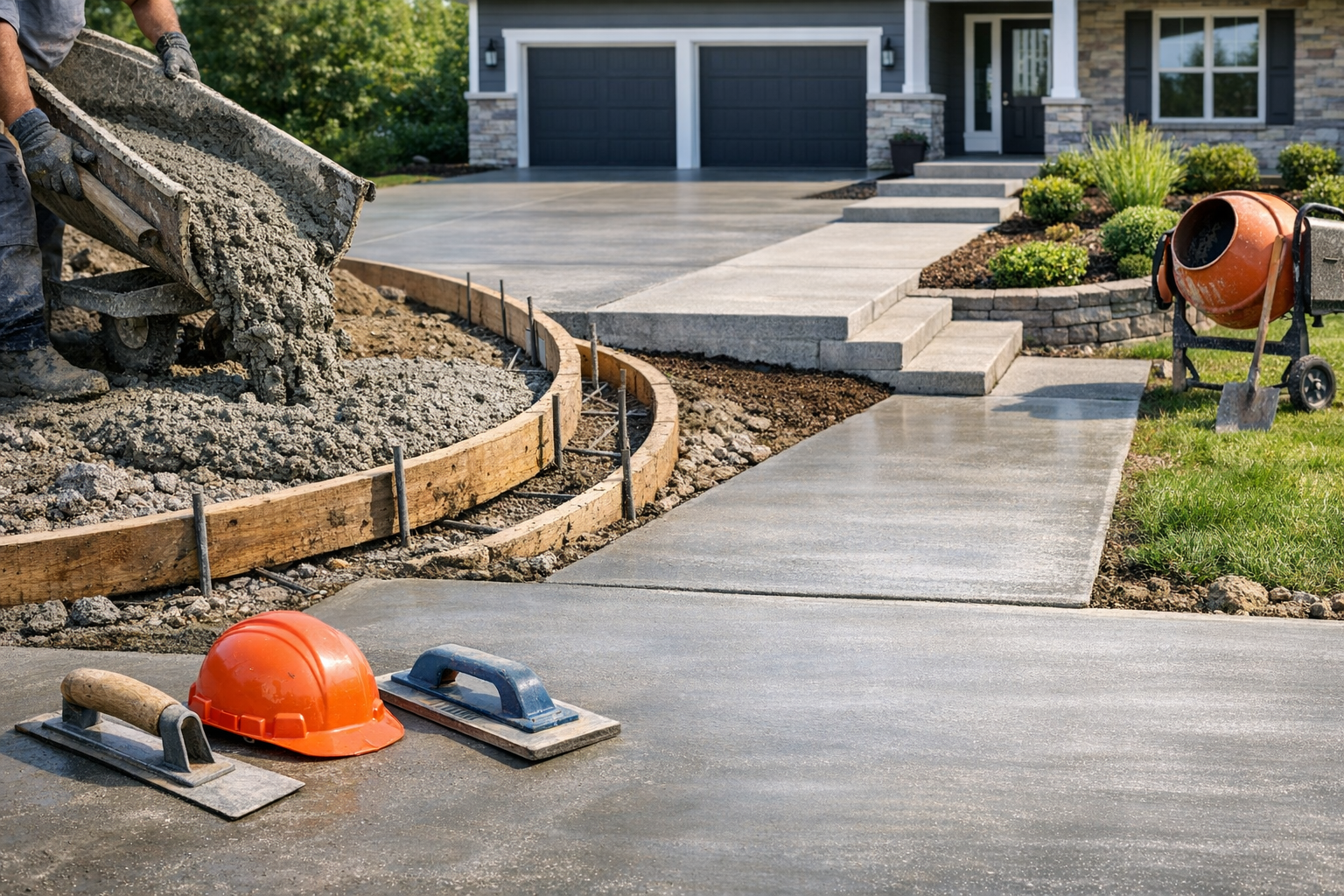
Residential Concrete Work: A Practical Homeowner’s Guide
Concrete is one of the most useful materials in residential construction. It supports driveways, patios, walkways, slabs, foundations, and more, giving homes the strength and durability they need to stand up to daily use and changing weather. When installed properly, residential concrete work adds lasting value, improves curb appeal, and reduces long-term maintenance.
Whether you are planning a new patio, replacing a cracked driveway, or pouring a foundation for an addition, understanding the basics of residential concrete work can help you make smarter decisions. From preparation and design to finishing and care, every step matters.
Common Types of Residential Concrete Projects
Residential concrete work includes a wide range of projects, each with its own purpose and requirements. Some of the most common include:
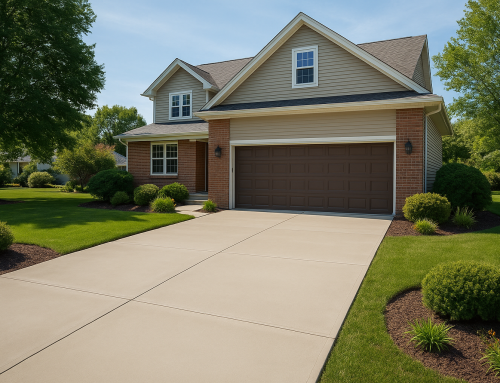
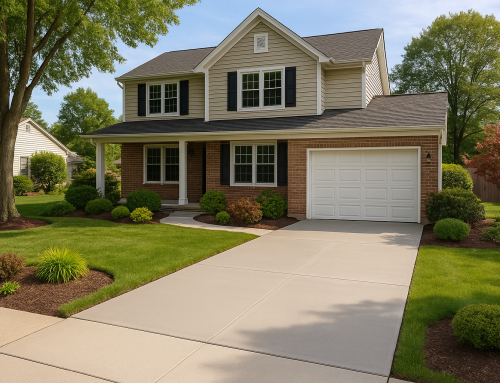
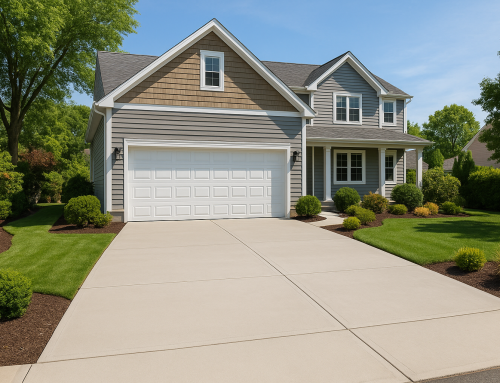
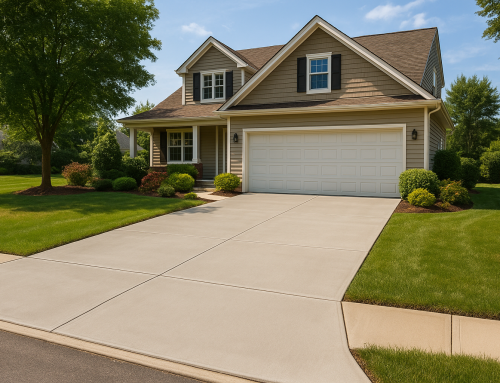
- Driveways: Concrete driveways are popular for their strength, clean look, and long life.
- Patios: A concrete patio creates a durable outdoor living area that can be finished in many styles.
- Sidewalks and walkways: These improve accessibility and connect different areas of a property.
- Garage slabs: A level, properly reinforced slab is essential for supporting vehicles and storage.
- Foundations: Concrete foundations provide stability for homes, additions, and detached structures.
- Pool decks: Concrete is often used around pools because it can be textured for slip resistance.
Each project requires the right mix, thickness, reinforcement, and finish. That is why a one-size-fits-all approach usually does not work.
Why Concrete Is a Smart Choice for Homes
Concrete offers a strong balance of durability, versatility, and value. It handles heavy loads better than many other materials, making it ideal for driveways and slabs. It also performs well in a variety of climates when installed correctly.
Another advantage is design flexibility. Concrete does not have to look plain or industrial. Today’s residential concrete can be colored, stamped, stained, or textured to match the style of the home. This means homeowners can get both performance and visual appeal from the same material.
In addition, concrete is relatively low maintenance. With proper sealing and occasional cleaning, it can remain in good condition for many years. Compared with surfaces that need frequent repairs or replacement, concrete often delivers better long-term value.
The Residential Concrete Process
Successful concrete work starts long before the truck arrives. Good planning and site preparation are critical to achieving a smooth, lasting result.
1. Planning and design
Every project should begin with a clear plan. This includes the dimensions, intended use, finish type, drainage needs, and any decorative details. For example, a driveway may need a thicker slab than a walkway, while a patio may need a slope for water runoff.
2. Site preparation
The ground must be properly excavated, graded, and compacted before the concrete is poured. If the base is weak or uneven, the slab may crack, sink, or shift over time. A well-prepared subgrade is one of the most important parts of the entire project.
3. Forming and reinforcement
Forms are used to shape the concrete and hold it in place while it cures. Reinforcement such as rebar or wire mesh may be added to improve strength and help control cracking. The type of reinforcement depends on the size and purpose of the project.
4. Pouring and finishing
Once the concrete mix is ready, it is poured into the forms and leveled. Finishers then smooth the surface or create a decorative texture. Timing is important during this stage because concrete begins to set quickly. A professional finish can make the difference between a surface that looks polished and one that looks uneven.
5. Curing
Curing allows the concrete to gain strength over time. Rushing this step can lead to weaker concrete and more surface problems. Depending on the project and weather conditions, curing may involve keeping the surface moist or applying a curing compound. Homeowners should avoid heavy use until the slab has fully cured.
Key Factors That Affect Quality and Cost
The cost of residential concrete work depends on several factors. Project size is one of the biggest influences, but it is not the only one. Thickness, reinforcement, finish type, site access, and local labor rates can all affect the final price.
Decorative features such as stamping, coloring, or exposed aggregate may add to the cost, but they can also increase visual appeal and property value. In some cases, paying more upfront for a better finish or stronger base can save money over time by reducing repairs.
Weather also matters. Extreme heat, cold, or rain can affect how concrete is placed and cured. Contractors often schedule work carefully to avoid conditions that could compromise the finished surface.
How to Maintain Residential Concrete
Concrete is durable, but it still needs basic care. Regular maintenance can extend its life and help it keep its appearance.
- Clean the surface: Sweep away dirt and debris and wash off stains as soon as possible.
- Seal when needed: A quality sealer can help protect against moisture, stains, and surface wear.
- Prevent standing water: Make sure drainage is working properly around slabs and driveways.
- Use caution with de-icing products: Some products can damage concrete if used too often or too early.
- Repair small issues early: Address minor cracks or chips before they become larger problems.
With simple upkeep, many residential concrete surfaces can last for decades.
Choosing the Right Contractor
Not all concrete contractors offer the same level of skill or service. When hiring for residential concrete work, look for experience with the specific type of project you need. A contractor who pours foundations may not be the best fit for decorative patio work, and vice versa.
Ask about references, past projects, licensing, insurance, and the materials they use. A reliable contractor should explain the process clearly, provide a detailed estimate, and answer questions about timing, cleanup, and warranties. Good communication is often a strong sign of professional workmanship.
It is also wise to compare more than just price. The lowest bid is not always the best value if it includes a thinner slab, weak preparation, or poor finishing. Quality concrete work is an investment in the safety and appearance of your home.
Conclusion
Residential concrete work plays a major role in the comfort, function, and value of a home. By understanding the process, materials, and maintenance involved, homeowners can make informed choices and get better long-term results. Whether you are upgrading an outdoor space or building a structural foundation, well-planned concrete work can deliver dependable performance for years to come.