Professional Concrete: What It Is, Why It Matters, and How to Get Lasting Results
Concrete is one of the most widely used building materials in the world, but not all concrete work is created equal. Professional concrete services go beyond simply pouring a slab or setting a foundation. They involve careful planning, correct material selection, skilled installation, and proper finishing to create durable, attractive, and long-lasting results.
Whether you are planning a driveway, patio, foundation, sidewalk, or commercial floor, professional concrete can make a major difference in performance and appearance. In this guide, we will look at what professional concrete means, the benefits it offers, the main types of concrete services, and what to consider when choosing a contractor.
What Is Professional Concrete?
Professional concrete refers to concrete work completed by experienced contractors who understand the technical and practical demands of the job. It includes everything from site preparation and formwork to mixing, pouring, leveling, curing, and finishing. A professional approach ensures the concrete is installed correctly for its specific purpose and environment.
Unlike rushed or inexperienced work, professional concrete projects are designed to withstand heavy use, weather exposure, and time. Contractors follow industry best practices, use quality materials, and apply the right techniques to reduce common issues such as cracking, uneven surfaces, premature wear, and drainage problems.
Why Professional Concrete Matters
Concrete is a long-term investment. Poor installation can lead to expensive repairs, safety hazards, and a shorter lifespan. Professional concrete matters because it helps ensure strength, consistency, and durability from the start.
When concrete is properly placed and finished, it can support structural loads, resist moisture, and maintain its appearance for years. For property owners, that means fewer maintenance headaches and better value over time. For businesses, it can also improve safety, function, and curb appeal.
In addition, professional concrete work can increase property value. Clean, well-built driveways, patios, walkways, and foundations improve the overall look and usability of a property, which can be especially important for residential and commercial spaces alike.
Common Types of Professional Concrete Services
Residential Concrete
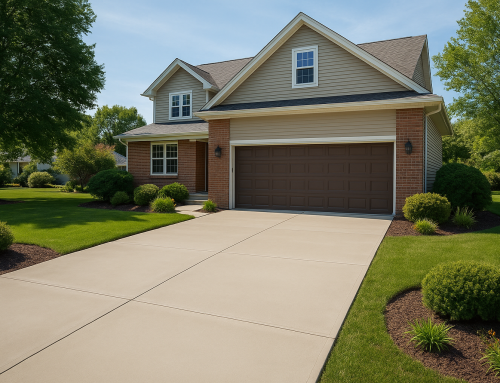
Residential concrete services cover a wide range of projects around the home. Common examples include driveways, patios, pool decks, garage floors, walkways, stairs, and foundations. Homeowners often choose professional concrete for its strength, low maintenance, and design flexibility.
Decorative options such as stamped concrete, colored concrete, and exposed aggregate can add style while keeping the durability of traditional concrete. A skilled contractor can help homeowners choose finishes that match the home’s design and local climate conditions.
Commercial Concrete
Commercial concrete work is typically larger in scale and must meet strict performance requirements. This includes parking lots, warehouse floors, sidewalks, loading docks, curbs, and industrial pads. These surfaces often need to support frequent traffic, heavy equipment, or constant exposure to the elements.
Professional commercial concrete contractors understand how to plan for load-bearing needs, drainage, expansion joints, and long-term maintenance. The result is a surface that performs reliably under demanding conditions.
Foundations and Structural Concrete
Foundations are among the most important concrete applications in any building project. A strong foundation supports the structure above it and helps protect against shifting, settling, and moisture intrusion. Professional concrete foundation work requires precision, proper reinforcement, and careful attention to soil conditions.
Structural concrete may also include retaining walls, footings, columns, and other load-bearing elements. In these cases, quality workmanship is critical because structural failure can create major safety and repair issues.
Key Steps in a Professional Concrete Project
A successful concrete project starts long before the truck arrives. Professional contractors usually follow a process that includes several important steps.
Site assessment and planning: The contractor evaluates soil conditions, drainage, access, slope, and the intended use of the concrete. This helps determine the right thickness, reinforcement, and finish.
Preparation: The site is cleared, graded, and compacted. Proper preparation is essential because weak soil or poor drainage can lead to settling and cracking later.
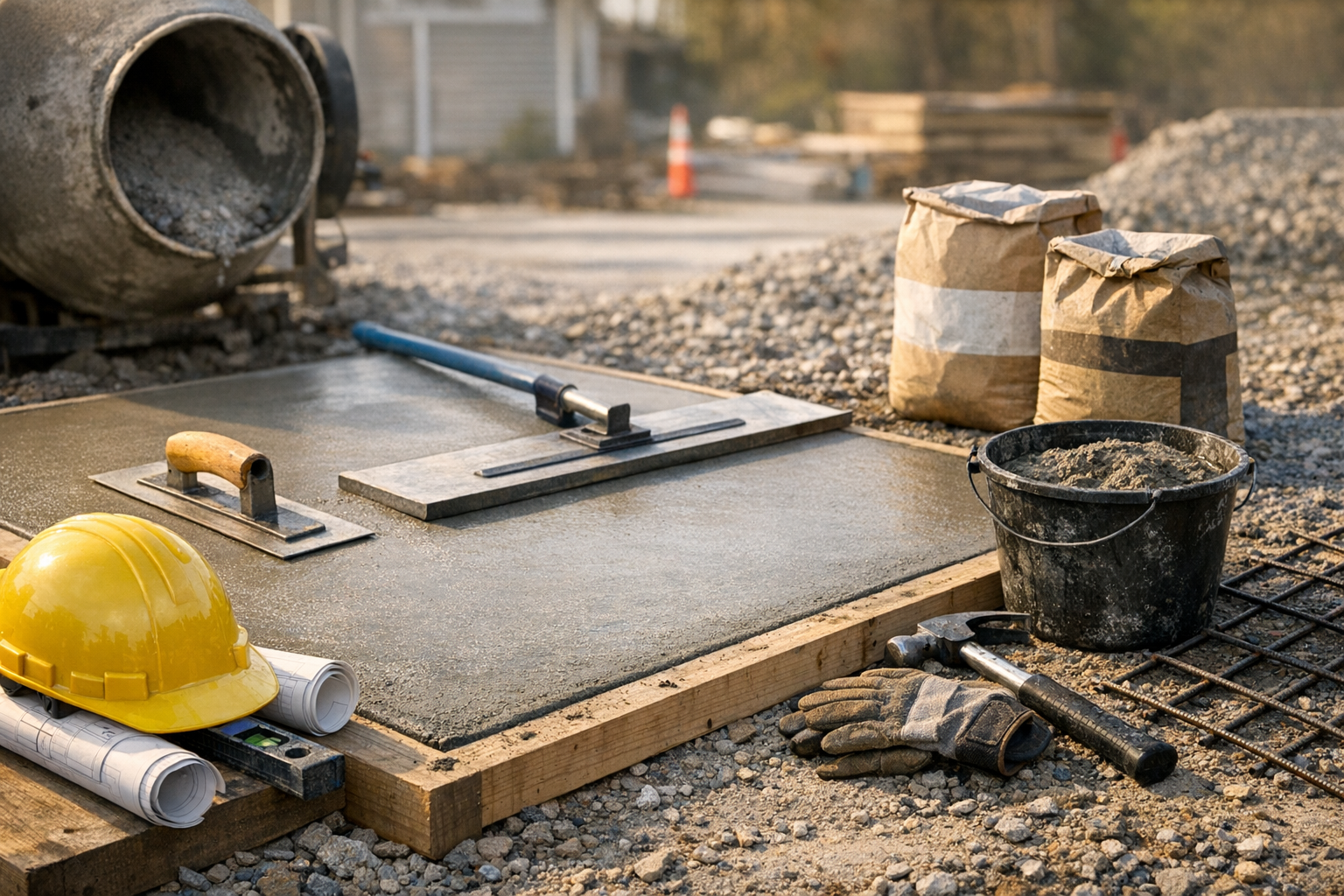
Formwork and reinforcement: Forms are built to define the shape of the concrete, and reinforcement such as rebar or wire mesh may be added for strength.
Pouring and finishing: The concrete is placed carefully, then leveled, smoothed, or textured depending on the project. Finishing techniques affect both appearance and safety.
Curing: Concrete needs time to cure properly so it can reach its full strength. Rushing this stage can weaken the final result. Professional contractors understand the importance of curing and protect the surface during this process.
Benefits of Hiring a Professional Concrete Contractor
Working with a professional concrete contractor offers several important advantages. First, you get the benefit of experience. Skilled contractors know how to avoid common problems and adapt to site-specific challenges.
Second, professional contractors use the right tools and materials for the job. This improves efficiency and helps ensure a higher-quality finish. Third, they can often complete the project more quickly and with fewer mistakes than someone without the proper training.
Another major benefit is peace of mind. A reputable contractor typically provides clear communication, estimates, timelines, and warranties or service guarantees. That level of accountability can make the entire process smoother and less stressful.
How to Choose the Right Concrete Contractor
Choosing the right contractor is one of the most important decisions in any concrete project. Start by looking for a company with experience in the type of work you need. A contractor who specializes in driveways may not be the best fit for a structural foundation or large commercial slab.
Check reviews, ask for references, and review examples of past work. A reliable contractor should be able to explain their process, materials, and timeline in clear terms. They should also provide a detailed quote that outlines labor, materials, preparation, and any optional upgrades.
It is also wise to ask about licensing, insurance, and warranties. These details help protect your investment and show that the contractor takes their work seriously. Clear communication and professionalism from the start are often good signs of a dependable company.
Maintaining Professional Concrete for Long-Term Value
Even the best concrete benefits from proper maintenance. Regular cleaning, sealing when appropriate, and prompt repair of small cracks can extend the life of the surface. It is also important to manage drainage and avoid excessive weight or impact on areas that were not designed for it.
In colder climates, using the right de-icing products can help prevent surface damage. In warmer regions, sealing and occasional inspections can protect against sun exposure and wear. With proper care, professional concrete can remain functional and attractive for decades.
Conclusion
Professional concrete is about more than just pouring a hard surface. It is a combination of planning, skill, quality materials, and careful execution that leads to lasting results. Whether you need a residential patio, a commercial slab, or a strong foundation, hiring a professional can save time, reduce problems, and improve long-term performance. When done right, concrete becomes a durable investment that adds value, safety, and function to your property.