
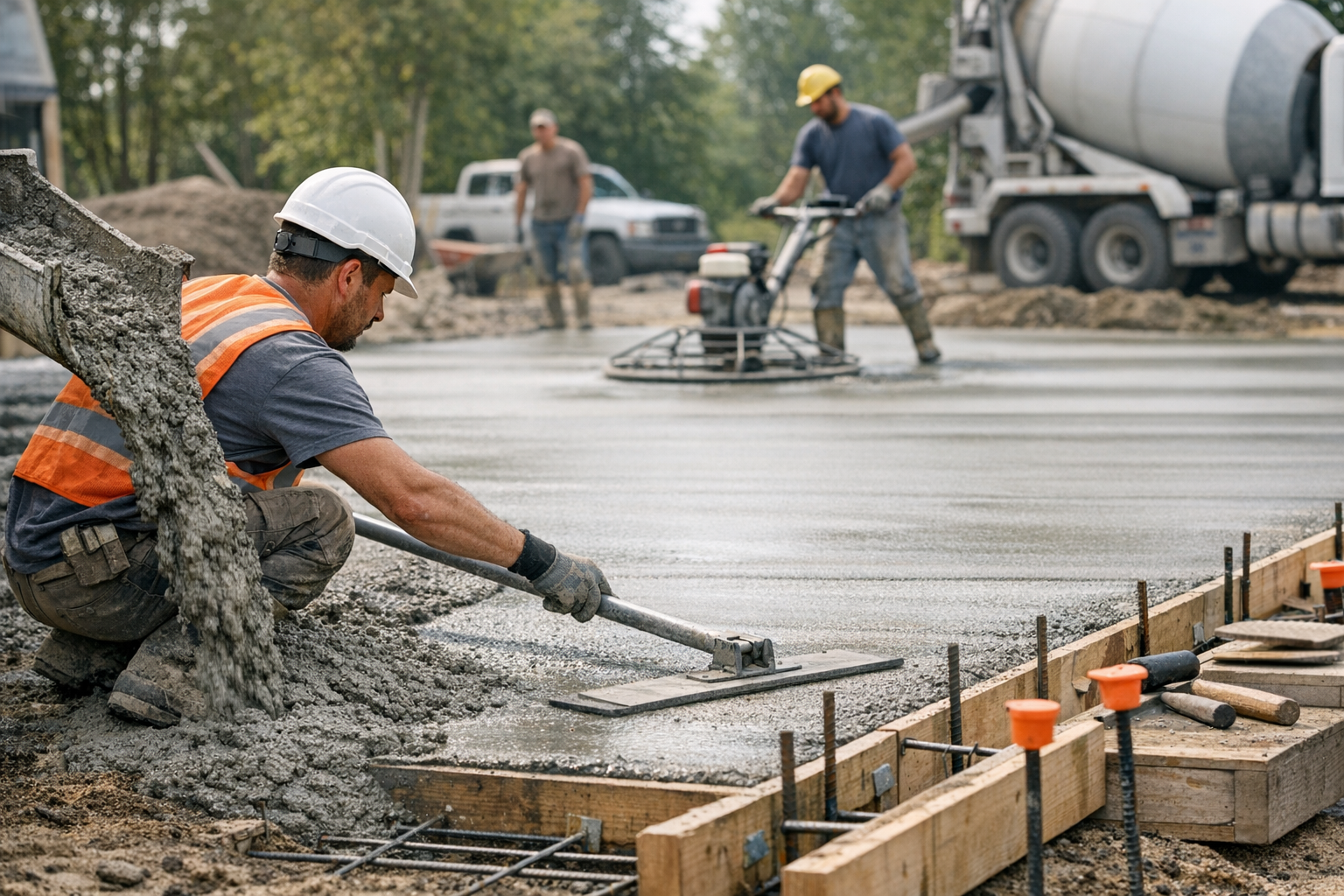
Concrete is one of the most durable and versatile materials used in construction, but getting a long-lasting result depends heavily on the skill of the contractor. Whether you are planning a new driveway, patio, foundation, sidewalk, or retaining wall, hiring the right concrete contractor can make the difference between a smooth, attractive finish and costly repairs down the road.
What Is a Concrete Contractor?
A concrete contractor is a construction professional who specializes in working with concrete for residential, commercial, and industrial projects. Their job is not just to pour concrete. They also handle planning, forming, mixing, placing, finishing, and curing to make sure the final structure is safe, strong, and built to last.
Many contractors also help with decorative concrete, resurfacing, repairs, removal of old concrete, and structural work such as slabs and foundations. In other words, they are trained to manage both the technical and practical sides of concrete installation.
Common Projects They Handle
Concrete contractors often work on a wide range of projects, including:
- Driveways
- Patios
- Walkways and sidewalks
- Garage floors
- Foundations and slabs
- Retaining walls
- Pool decks
- Stamped or stained decorative concrete
- Concrete repairs and resurfacing
Each project requires careful planning, the right mix of materials, and proper installation techniques to avoid cracking, uneven settling, or water drainage problems.
Why Hiring a Professional Concrete Contractor Matters
Concrete may seem straightforward, but it is surprisingly unforgiving. Timing, weather, site preparation, and finishing all affect the final outcome. A professional concrete contractor understands how to handle these variables and reduce the risk of failure.
For example, if the base is not compacted correctly, the slab may sink or crack. If the mix is wrong, the surface may weaken over time. If curing is rushed, the concrete may not reach its full strength. A skilled contractor knows how to avoid these issues and deliver a reliable result.
Benefits of Hiring an Experienced Contractor
- Better durability: Proper installation helps concrete last for decades.
- Improved appearance: Clean edges, smooth finishes, and decorative options enhance curb appeal.
- Code compliance: A professional understands local building requirements and permits.
- Time savings: An experienced crew completes the job more efficiently.
- Lower long-term costs: Quality work reduces the need for early repairs.
Services a Concrete Contractor May Offer
Not every contractor offers the same services, so it helps to know what to ask about before hiring. Some specialize in structural work, while others focus on decorative or repair projects.
Concrete Installation
Installation is the core service offered by most concrete contractors. This includes site prep, forming, pouring, leveling, finishing, and curing. For new construction, this may involve foundations, slabs, steps, or footings.
Concrete Repair
Over time, concrete can crack, chip, or settle. A contractor may repair damaged areas, seal cracks, level sunken slabs, or resurface worn surfaces to restore function and appearance.
Decorative Concrete
If you want a more attractive finish, many contractors offer stamped, colored, exposed aggregate, or stained concrete. These options are popular for patios, driveways, and pool areas because they combine strength with style.
Demolition and Replacement
Sometimes the best solution is to remove old, failing concrete and replace it completely. A concrete contractor can handle demolition, hauling, base preparation, and new installation.
How to Choose the Right Concrete Contractor
Choosing the right contractor starts with research. The lowest estimate is not always the best value, especially if the contractor cuts corners on materials or preparation. Instead, look for a company with experience, solid communication, and a proven track record.
Check Experience and Specialization
Ask how long the contractor has been in business and what types of projects they handle most often. A contractor who frequently works on driveways may not be the best choice for a structural foundation project. Matching the contractor’s experience to your project is important.
Review Licenses and Insurance
Always confirm that the contractor is properly licensed and insured. This protects you if something goes wrong during the job. Insurance should include liability coverage and workers’ compensation, where required.
Ask for References and Photos
Reputable contractors should be able to provide references from past clients and photos of completed work. This gives you a better sense of the quality you can expect and whether their style matches your vision.
Get a Detailed Written Estimate
A professional estimate should clearly explain the scope of work, materials, labor, timeline, and total cost. It should also note whether cleanup, permits, demolition, or reinforcement are included. Avoid vague quotes that leave room for surprises later.
Look at Communication and Professionalism
The way a contractor communicates before the project starts is often a good sign of how they will handle the job. Clear answers, prompt responses, and a willingness to explain the process show professionalism and reliability.
Questions to Ask Before Hiring
Before signing a contract, ask a few important questions to help you compare contractors and avoid problems.
- How long have you been working as a concrete contractor?
- Do you specialize in residential, commercial, or decorative concrete?
- Can you provide references or examples of similar work?
- What type of concrete mix will you use?
- How will you prepare the site and base?
- What is your timeline for completion?
- Do you handle permits if needed?
- What kind of warranty or guarantee do you offer?
These questions help you understand both the contractor’s expertise and their process. A trustworthy professional will answer them openly.
Signs of a Reliable Concrete Contractor
Not every contractor offers the same level of quality, so it is worth paying attention to warning signs and positive indicators. A reliable concrete contractor will be organized, transparent, and prepared to explain each step of the job.
- They provide a written estimate and contract.
- They are punctual and responsive.
- They use quality materials and proper reinforcement.
- They explain curing, maintenance, and timing.
- They have positive reviews and a solid local reputation.
On the other hand, be cautious if a contractor demands full payment upfront, avoids questions, or offers a price that seems far below competitors. These can be signs of poor workmanship or hidden costs.
Maintaining Your Concrete After Installation
Once the work is complete, proper maintenance helps concrete stay strong and attractive. A good contractor may give you care instructions, but the basics usually include sealing the surface as recommended, cleaning spills promptly, and avoiding heavy loads before the concrete has fully cured.
In colder climates, it is also wise to limit the use of harsh de-icing chemicals that can damage the surface over time. With the right care, a well-installed concrete project can last for many years with minimal upkeep.
Conclusion
A concrete contractor plays a major role in the success of any concrete project. From preparation and pouring to finishing and repair, their expertise affects both the appearance and the long-term performance of the work. By choosing an experienced, licensed, and communicative professional, you can protect your investment and enjoy durable results for years to come.