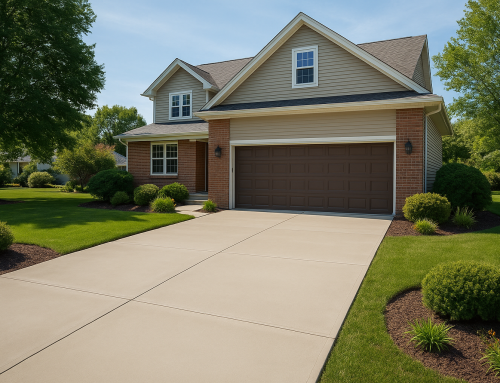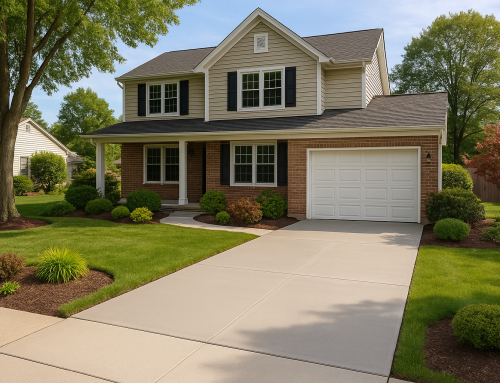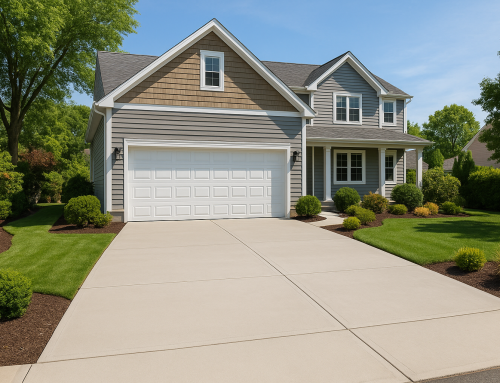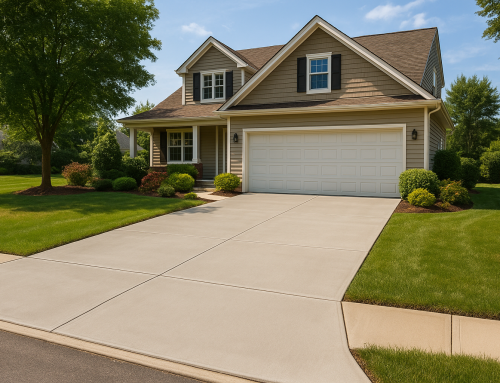
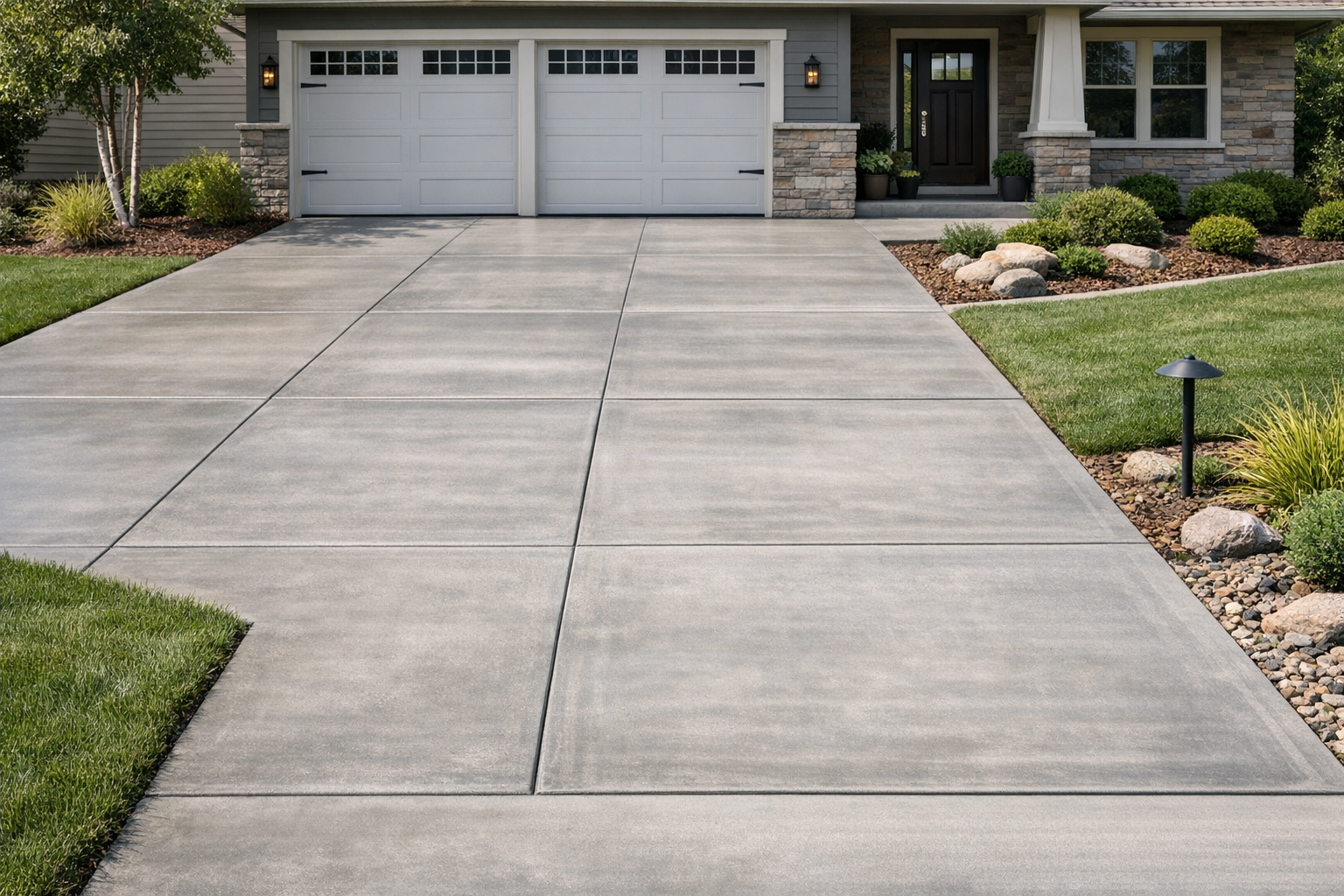
Concrete Driveway Overview
A concrete driveway is one of the most popular choices for homeowners who want a strong, attractive, and low-maintenance surface for daily use. It offers a clean look, long service life, and the ability to support heavy vehicles without the constant upkeep many other materials require. Whether you are building a new driveway or replacing an old one, concrete can be a smart long-term investment.
Compared with gravel, asphalt, or pavers, concrete driveway surfaces often provide a balance of durability and visual appeal. With the right installation and care, a well-built driveway can last for decades while improving curb appeal and property value. It is also highly customizable, giving homeowners options for finishes, colors, and decorative details.
Benefits of a Concrete Driveway
There are many reasons homeowners choose concrete for their driveways. One of the biggest advantages is durability. Concrete holds up well under regular car traffic, changing weather, and everyday wear. It does not rut like gravel or soften in hot weather like some asphalt surfaces.
Another major benefit is low maintenance. A concrete driveway typically only needs periodic cleaning, sealing, and minor repairs to stay in good condition. This makes it an appealing option for busy homeowners who want long-lasting performance without frequent attention.
Concrete also offers strong curb appeal. Its neat, finished appearance can make a home look more polished and well cared for. If you want a more decorative style, concrete can be stamped, stained, or textured to mimic stone, brick, or other finishes.
Finally, concrete is a versatile material. It can be poured in many shapes and sizes, making it suitable for everything from simple straight driveways to wide, custom-designed entryways.
Key Factors to Consider Before Installation
Climate and Weather Conditions
Weather plays a big role in how well a concrete driveway performs over time. In cold climates, freeze-thaw cycles can cause cracking if the driveway is not installed correctly. In hot climates, expansion and prolonged sun exposure may also affect surface condition. Proper installation, reinforcement, and sealing help the driveway stand up to local conditions.
Drainage and Site Preparation
Good drainage is essential for any concrete driveway. Water that pools on the surface or under the slab can lead to cracking, erosion, and premature wear. A professional installation should include proper grading so water flows away from the driveway and nearby structures. The base beneath the concrete should also be compacted and prepared carefully to reduce shifting.
Thickness and Reinforcement
The thickness of the slab should match the expected use. A typical residential driveway is often thicker than a walkway because it must support vehicles. Reinforcement such as wire mesh or rebar may be used to improve strength and help control cracking. These structural choices are important for long-term durability.
Finish and Appearance
Concrete does not have to look plain. Homeowners can choose from broom finishes for traction, smooth finishes for a cleaner appearance, or decorative options that add character. Color, edging, and pattern choices can help the driveway complement the home’s exterior style.
Maintenance Tips for Long-Lasting Results
Although a concrete driveway is relatively easy to maintain, a few routine steps can extend its lifespan and keep it looking its best. Regular sweeping and rinsing help remove dirt, leaves, and debris that can stain the surface over time. Oil and chemical spills should be cleaned promptly to prevent discoloration.
Sealing the surface is one of the most important maintenance steps. A quality sealer helps protect against moisture, stains, and wear from weather and vehicle use. Depending on the climate and type of sealer, this may need to be done every few years.
It is also wise to watch for small cracks early. Minor cracking is common in concrete, but repairing issues quickly can help prevent them from spreading. In winter, avoid harsh de-icing chemicals when possible, since some products can damage the surface. Gentle snow removal methods are usually best.
Finally, avoid placing very heavy loads in the same spot for long periods unless the driveway was designed for that purpose. This helps reduce stress and preserve the slab.
Common Questions About Concrete Driveways
How long does a concrete driveway last?
A properly installed and maintained concrete driveway can last 25 to 30 years or more. Lifespan depends on climate, base preparation, reinforcement, and how well the surface is maintained over time.
Does concrete crack?
Yes, some cracking is normal in concrete. While it cannot be completely avoided, professional installation techniques, control joints, and good maintenance can reduce the size and number of cracks.
Is a concrete driveway expensive?
Concrete often costs more upfront than gravel and sometimes more than asphalt, but its long lifespan and low maintenance can make it cost-effective over time. The total price depends on driveway size, thickness, finish, and local labor rates.
Can a concrete driveway be customized?
Absolutely. Homeowners can choose from several finishes, colors, and decorative features. Stamped and stained concrete can create a unique look while still providing the durability of a traditional slab.
Conclusion
A concrete driveway is a strong, attractive, and practical choice for many homes. With proper planning, quality installation, and routine maintenance, it can deliver decades of dependable performance while boosting curb appeal. If you want a driveway that combines durability with flexibility in design, concrete is well worth considering.