Why a Free Estimate for a Concrete Driveway Matters
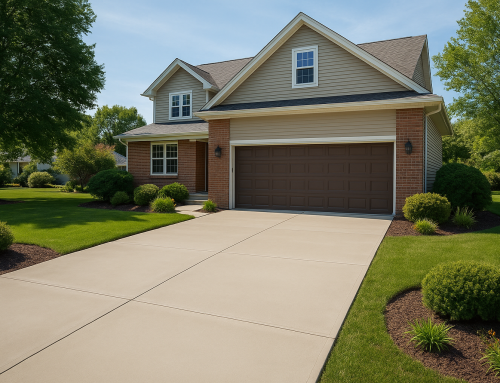
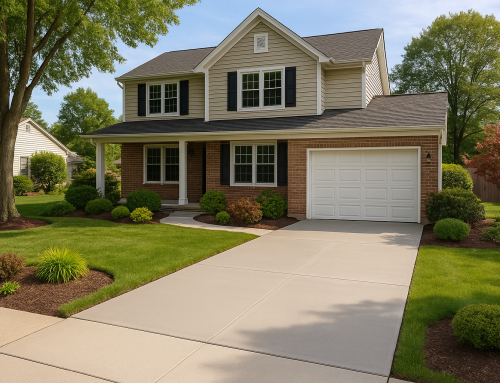
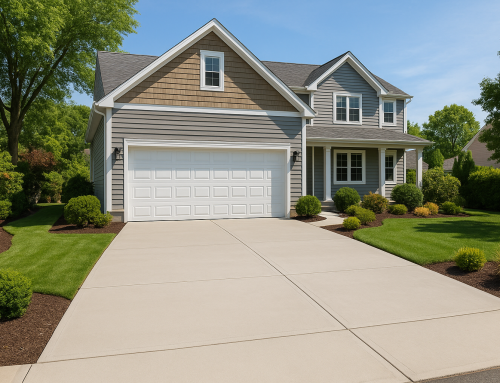
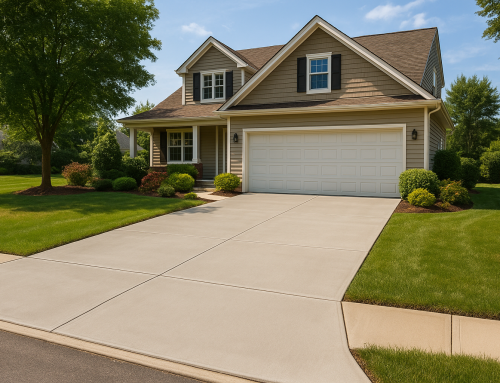
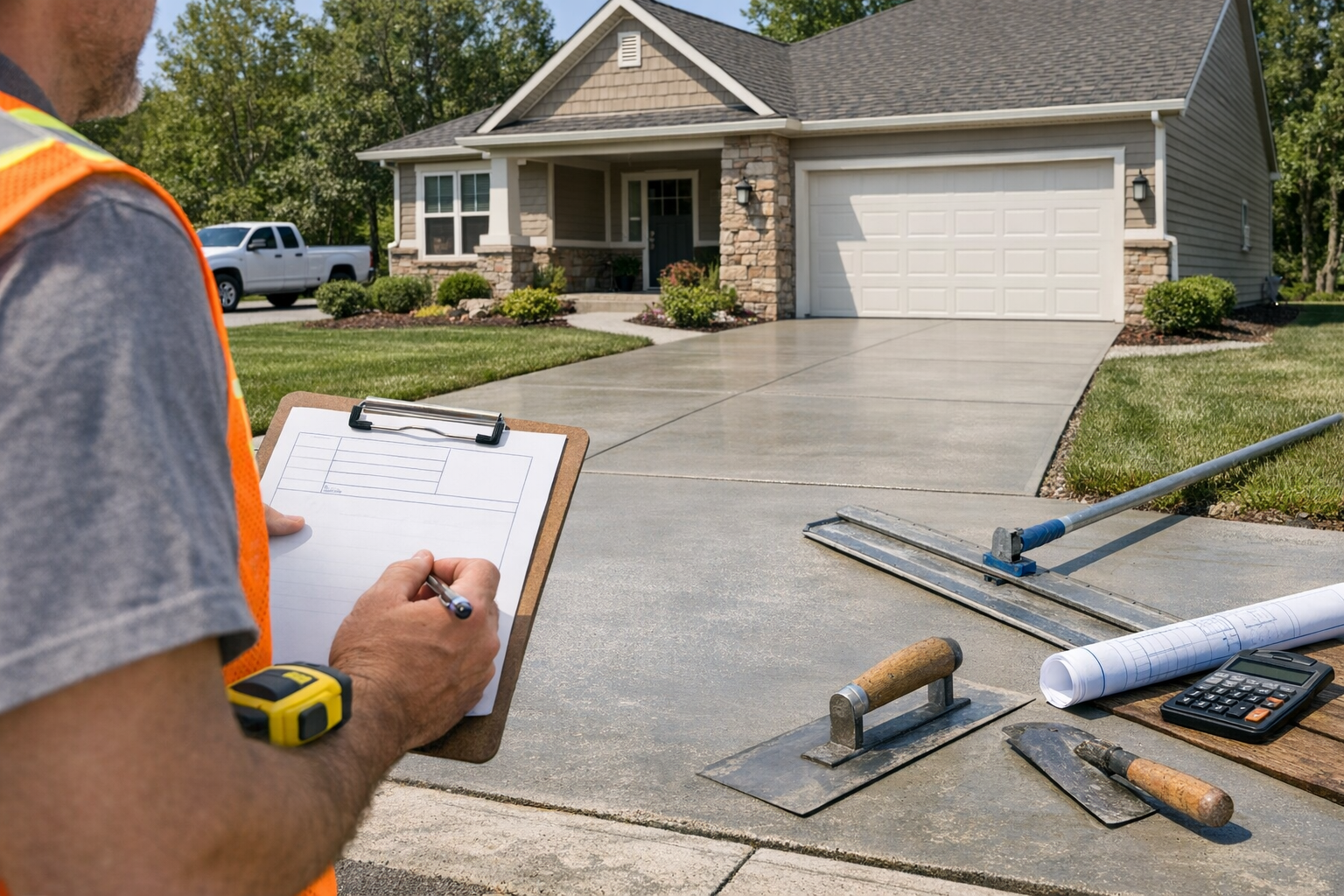
Planning a new driveway is a big decision, and getting a free estimate for a concrete driveway is one of the smartest first steps you can take. A written estimate gives you a clearer idea of the total cost, the scope of work, and the materials involved before any project begins.
Concrete driveways are popular because they are durable, low-maintenance, and attractive. Still, the final price can vary widely depending on the size of the driveway, site conditions, thickness of the slab, finish options, and local labor rates. A free estimate helps you compare contractors, set a realistic budget, and avoid surprises later.
What Is Included in a Concrete Driveway Estimate?
A good estimate should do more than provide a single number. It should explain what is included in the project so you can compare one contractor’s proposal to another. While details vary, most free driveway estimates include the following:
- Site evaluation — A contractor may inspect the existing driveway area, drainage, access points, and grading needs.
- Measurements — The estimate should reflect the length, width, and total square footage of the driveway.
- Demolition and removal — If an old driveway must be taken out, that cost is usually listed separately or noted in the scope.
- Base preparation — This can include excavation, gravel base installation, and compaction.
- Concrete thickness and reinforcement — The estimate may specify slab depth, wire mesh, or rebar.
- Finish options — Standard broom finish, decorative edges, stamping, or coloring may affect pricing.
- Labor and materials — These are typically the largest parts of the estimate.
- Timeline — A reliable contractor may include an estimated start date and completion window.
If a quote seems vague, ask for more detail. The more specific the estimate, the easier it is to understand exactly what you are paying for.
Factors That Affect the Cost of a Concrete Driveway
There is no one-size-fits-all price for a concrete driveway. Several factors influence the final estimate, and knowing them can help you evaluate your options more confidently.
Driveway Size and Shape
Larger driveways naturally cost more because they require more concrete, labor, and time. A simple rectangular driveway is usually more affordable than one with curves, extra parking pads, or custom layouts.
Site Preparation
Some properties need more prep work than others. If the ground must be leveled, old pavement removed, or drainage corrected, the estimate will likely be higher. Poor soil conditions can also require additional base work to support the slab properly.
Thickness and Reinforcement
Standard residential driveways often use a slab thickness designed for everyday vehicle traffic, but heavier vehicles or challenging soil conditions may require more reinforcement. Rebar, wire mesh, or thicker concrete can increase the cost but may improve long-term durability.
Finish and Design Choices
A basic broom finish is usually the most budget-friendly choice. Decorative options such as stamping, staining, exposed aggregate, or custom borders can enhance curb appeal, but they also add to the overall estimate.
Location and Labor Rates
Prices vary by region due to local material costs, labor availability, and permit requirements. Even two similar driveways in different neighborhoods may have noticeably different quotes.
How to Request a Free Estimate
Getting a free estimate for a concrete driveway is usually simple, but a little preparation can make the process smoother. The more information you provide, the more accurate the quote will be.
- Have the approximate size ready — Know the length and width if possible.
- Share photos of the area — Pictures help contractors understand existing conditions.
- Explain your goals — Let them know whether you want a basic driveway, a decorative finish, or extra parking space.
- Ask about drainage concerns — Water management is an important part of a long-lasting driveway.
- Request an itemized quote — This makes it easier to compare contractors fairly.
Some contractors offer estimates in person, while others can provide a rough quote by phone or online before scheduling a site visit. For the most accurate pricing, a walk-through is usually best.
Questions to Ask Before Hiring a Contractor
A free estimate is also a chance to learn more about the company that may complete your project. Asking the right questions can help you choose a contractor with confidence.
- How long have you been installing concrete driveways?
- Are you licensed and insured?
- What type of concrete mix do you use?
- How thick will the slab be?
- Will you handle permits if they are required?
- How do you prepare the base and manage drainage?
- What is included in the estimate, and what could change the final price?
- Do you offer a warranty on workmanship?
Clear answers to these questions can help you avoid misunderstandings and choose a contractor who takes quality seriously.
How to Compare Multiple Estimates
It is usually wise to collect more than one estimate before making a decision. However, the lowest price is not always the best choice. When comparing quotes, look at the full picture rather than just the bottom line.
Check whether each estimate includes the same scope of work, materials, thickness, and cleanup. One contractor may offer a lower price because they are using a thinner slab or leaving out site preparation. Another may charge more but provide better reinforcement, a stronger base, or a longer warranty.
Comparing estimates side by side helps you find the best value, not just the cheapest price. A well-built concrete driveway should last for years, so quality matters.
Benefits of Choosing Concrete for Your Driveway
Concrete remains a top choice for driveways because it offers a strong balance of appearance, performance, and long-term value. Some of the biggest benefits include:
- Durability — Concrete can handle regular vehicle traffic and stand up well over time.
- Low maintenance — Compared with other materials, concrete requires minimal upkeep.
- Clean appearance — A finished concrete driveway can boost curb appeal.
- Customization — There are many finish and design options available.
- Long-term value — A quality installation can be a worthwhile investment for homeowners.
If you are looking for a driveway surface that combines strength and style, concrete is often an excellent option.
Conclusion
Getting a free estimate for a concrete driveway is the best way to start your project with confidence. It helps you understand costs, compare contractors, and plan for the right materials and design. With a detailed estimate and a few smart questions, you can move forward with a driveway that fits your budget and adds lasting value to your home.