What Is Concrete You?
Concrete is one of the most widely used building materials in the world, and for good reason. It is strong, versatile, durable, and surprisingly adaptable to a wide range of projects. When people search for “concrete you,” they are often looking for guidance on concrete that fits their specific needs: the right type, the right mix, the right finish, and the right care. Whether you are planning a driveway, patio, foundation, walkway, or decorative feature, understanding concrete can help you make smarter decisions and get better results.
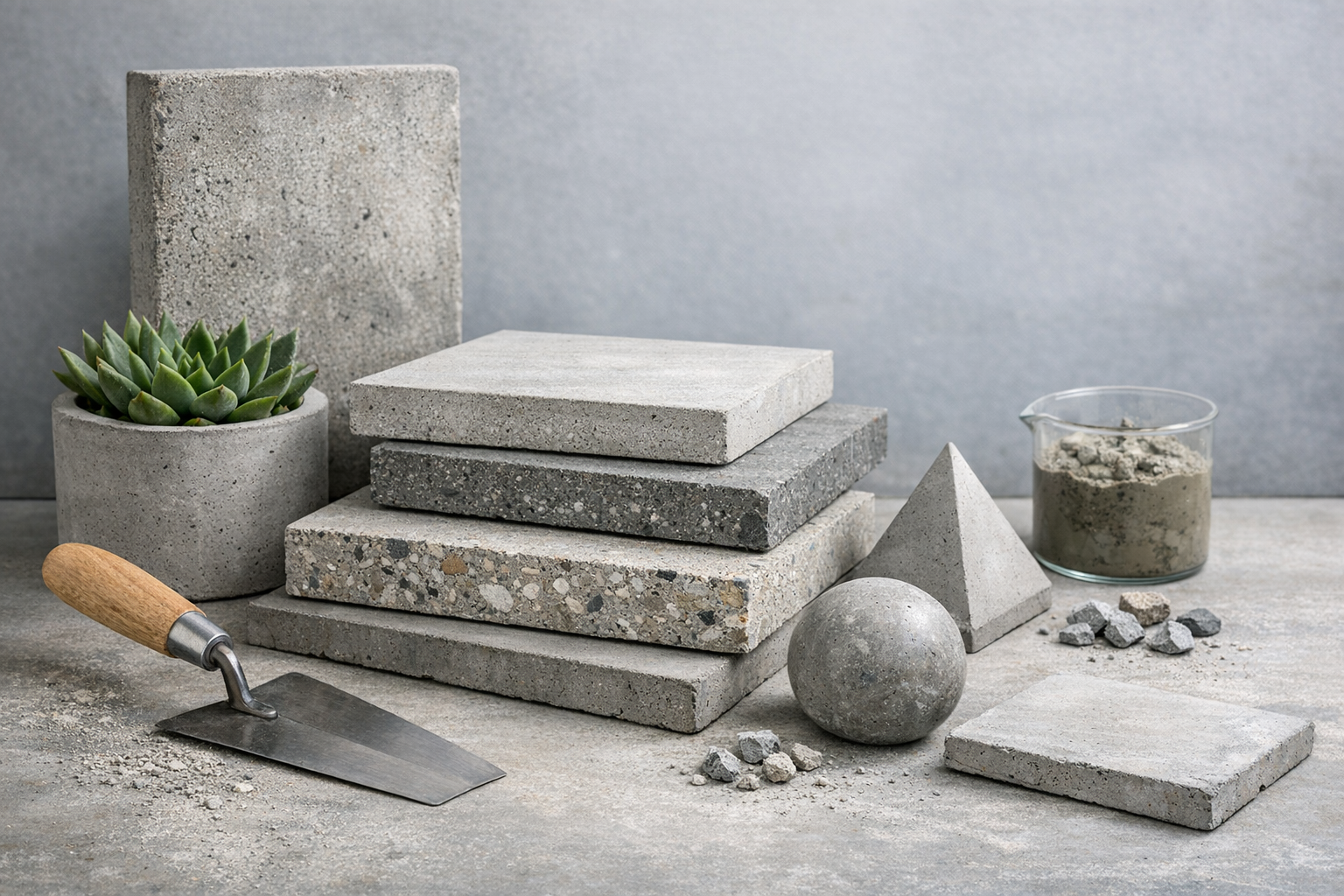
At its core, concrete is a mixture of cement, water, sand, and aggregate such as gravel or crushed stone. When these ingredients combine, they create a hard, stone-like material that can support heavy loads and withstand years of use. But not all concrete is the same. The final performance depends on the mix design, installation method, curing process, and the environment where it is used.
Why Concrete Matters
Concrete is valued because it offers a balance of strength, affordability, and longevity. It can be formed into almost any shape before it hardens, making it useful for both structural and decorative purposes. From residential homes to bridges, sidewalks, and commercial floors, concrete plays a major role in modern construction.
Another reason concrete remains so popular is its low maintenance compared with many other materials. A properly installed concrete surface can last for decades with basic care. It also resists fire, supports heavy weight, and can be customized with color, texture, stamping, and sealing options.
Types of Concrete You Should Know
Standard Concrete
Standard concrete is the most common type used for slabs, sidewalks, and driveways. It is a dependable choice for general-purpose projects where strength and durability are the main goals.
Reinforced Concrete
Reinforced concrete includes steel bars or mesh to increase tensile strength. This type is often used in foundations, retaining walls, beams, and other structures that must handle high stress.
Decorative Concrete
Decorative concrete is designed to look attractive as well as perform well. It may be stamped, stained, polished, or colored to mimic stone, tile, or brick while keeping the durability of concrete.
High-Strength Concrete
When projects require exceptional load-bearing capacity, high-strength concrete may be the best option. It is commonly used in commercial and industrial applications where extra performance is needed.
Lightweight Concrete
Lightweight concrete uses lighter aggregates to reduce overall weight. It is useful in situations where minimizing structural load is important, such as certain flooring systems and prefabricated components.
How to Choose the Right Concrete for Your Project
Choosing the right concrete depends on the purpose of the project, the expected traffic or load, the climate, and your design goals. A driveway needs different performance qualities than a patio, and a foundation has different requirements than a garden path. Before starting, think about these key factors:
- Strength: How much weight will the surface or structure need to support?
- Exposure: Will it face freezing temperatures, moisture, chemicals, or heavy sunlight?
- Finish: Do you want a plain surface, a smooth polish, or a decorative look?
- Budget: What is the most practical option for your timeline and cost range?
- Maintenance: How much upkeep are you willing to do over time?
For example, a decorative patio may benefit from stamped concrete and a protective sealer, while a garage floor may need a durable, reinforced finish with good resistance to wear and stains.
Installation Basics for Better Results
Good concrete work starts before the mix is even poured. Proper site preparation is essential because the surface beneath the concrete affects its long-term stability. The ground should be leveled, compacted, and prepared with the right base material to prevent settling and cracking.
During installation, the mix must be placed and finished efficiently. Concrete begins to set relatively quickly, so timing matters. Workers need to level the surface, remove air pockets, and apply the desired finish before the material hardens. Control joints are also important because they help direct cracking in a planned way rather than allowing random damage to appear.
Weather conditions can also affect installation. Extreme heat may cause concrete to dry too quickly, while cold weather can slow curing and create other challenges. Planning around temperature and moisture helps improve the final outcome.
Caring for Concrete Over Time
Concrete is durable, but it is not maintenance-free. Simple care steps can extend its life and preserve its appearance. One of the most important stages is curing, which is the process of allowing concrete to gain strength over time. Proper curing helps reduce cracking and improves durability.
After installation, sealing concrete can help protect it from water, stains, and surface wear. Sealed concrete is often easier to clean and better able to handle freeze-thaw cycles in colder climates. Regular cleaning with mild soap and water can prevent buildup of dirt, debris, and stains.
If cracks appear, it is best to address them early. Small cracks may be repaired with filler or patching material before they expand. Keeping water away from damaged areas also helps prevent further deterioration. For outdoor concrete, clear snow with plastic shovels or approved tools to avoid scratching the surface.
Common Mistakes to Avoid
Many concrete problems come from preventable mistakes. One of the most common is poor preparation of the base. If the ground is not compacted correctly, the concrete may shift or crack over time. Another mistake is adding too much water to the mix, which can weaken the finished surface and increase the risk of cracking.
Rushing the curing process is another issue. Concrete needs time to develop its full strength, and using it too soon can cause damage. Skipping sealers or ignoring small cracks can also lead to bigger problems later. Careful planning and proper technique make a major difference in how well concrete performs.
Conclusion
Concrete is more than just a construction material—it is a practical solution that can be shaped to fit a wide range of needs. By understanding the different types of concrete, choosing the right mix for your project, and caring for it properly over time, you can get better performance and longer-lasting results. Whether your goal is strength, style, or both, concrete offers dependable value when used the right way.