Introduction
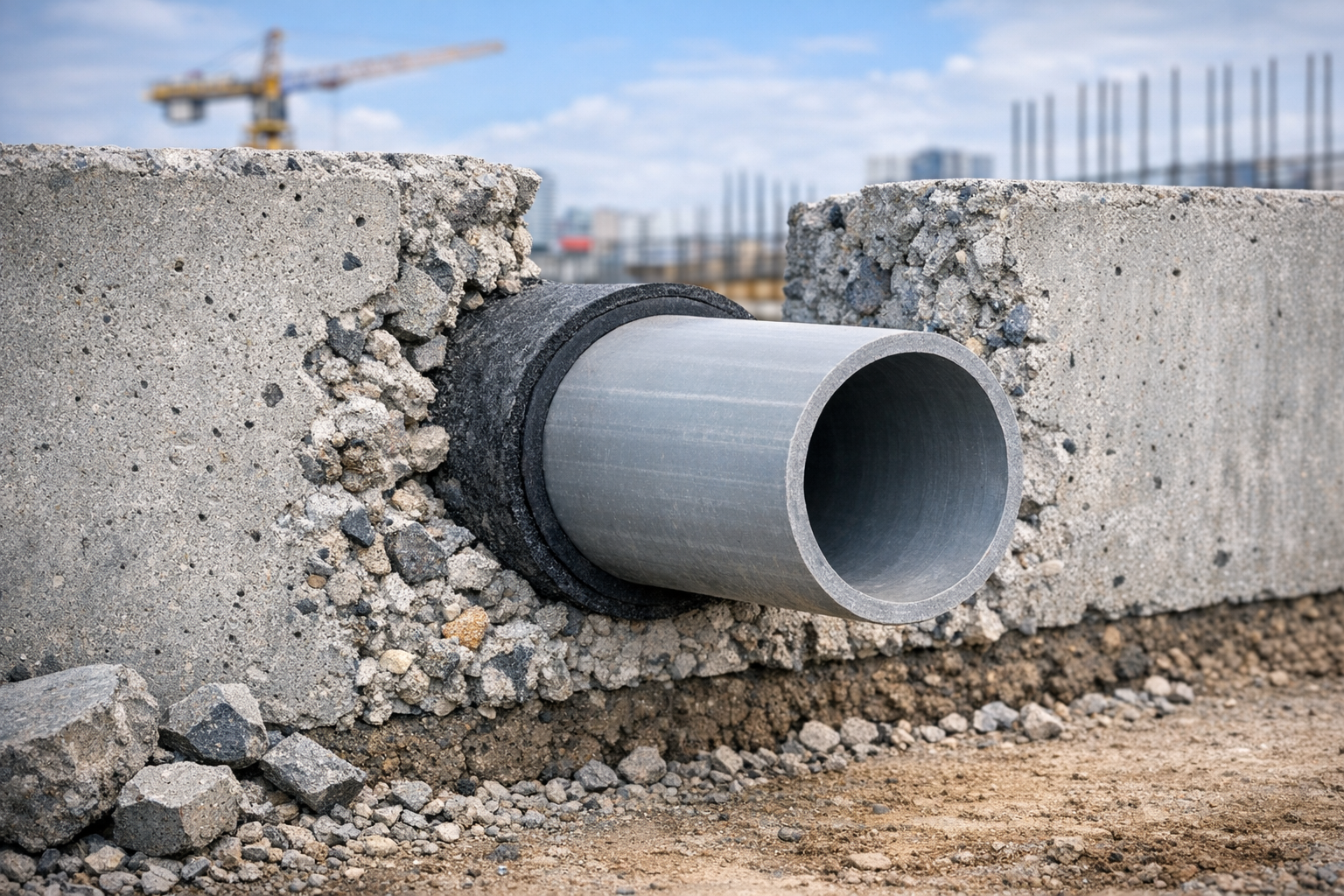
Through concrete is a practical term used in construction, engineering, and infrastructure work to describe concrete that has been penetrated, cut through, drilled, or formed with openings to allow access, reinforcement, services, or structural connection. In many projects, “through concrete” can refer to any situation where a concrete slab, wall, or foundation must be worked through without compromising strength or safety.
Because concrete is durable and load-bearing, creating or managing openings in it requires careful planning and the right methods. Whether you are installing pipes, routing electrical systems, creating anchor points, or checking for hidden reinforcement, understanding through concrete is essential for efficient and safe construction work.
What Does Through Concrete Mean?
At its simplest, through concrete means passing through a concrete element. This may involve drilling a hole all the way through a slab, core drilling a wall, making an opening for a service line, or installing a component that extends from one side of the concrete to the other. The term is commonly used by contractors, builders, and inspectors when describing work that affects the full thickness of the concrete.
In practice, through concrete work is not just about making a hole. It also includes assessing the concrete’s thickness, checking for rebar or post-tension cables, avoiding structural damage, and ensuring the finished opening meets code and project requirements.
Common Applications of Through Concrete Work
Through concrete applications appear in many different types of projects. Here are some of the most common uses.
1. Utilities and Services
Plumbers, electricians, and HVAC technicians often need to run pipes, cables, and ducting through concrete walls, floors, or foundations. These penetrations allow modern buildings to function while keeping systems protected and hidden.
2. Structural Anchoring
Some structural connections require bolts, anchors, or rods to pass through concrete. This is common in retrofits, equipment installation, and seismic upgrades where strong mechanical fastening is needed.
3. Inspection and Sampling
Engineers may drill through concrete to inspect internal conditions, test thickness, verify reinforcement placement, or collect core samples for strength analysis. These tasks help determine the condition and performance of the structure.
4. Drainage and Ventilation
Openings through concrete are often made to improve drainage, route water away from a site, or provide ventilation in basements, tunnels, and mechanical spaces.
How Through Concrete Openings Are Created
Creating a clean and safe opening through concrete usually starts with planning. The type of concrete, its thickness, and what lies inside it all influence the method used. In many cases, professionals rely on scanning tools to locate rebar, conduit, or tension cables before work begins.
Several methods are commonly used:
Drilling
Standard drilling works for smaller holes and fastener installations. Masonry drills and hammer drills are often used for non-structural penetrations.
Core Drilling
Core drilling is a precise method that removes a cylindrical section of concrete. It is ideal for larger holes needed for plumbing, electrical, and mechanical systems. Because it creates a cleaner opening, it is often preferred in finished or high-value spaces.
Cutting
Concrete saws, wall saws, and wire saws can create larger openings such as doorways, service chases, or expansion spaces. This method is common when the opening must be accurate and the edges need to be controlled.
Breaking and Removal
In some demolition or renovation projects, concrete may be broken out after cutting the perimeter. This approach is useful for removing damaged sections or creating larger access points, though it is typically more disruptive than drilling or core cutting.
Important Factors to Consider Before Going Through Concrete
Working through concrete requires more than the right tool. Safety and structural integrity should always come first.
Structural Importance
Not every part of a concrete structure can be modified freely. Slabs, beams, load-bearing walls, and foundations may have a critical role in supporting the building. Before making any penetration, it is important to understand whether the concrete is structural or non-structural.
Reinforcement and Hidden Utilities
Concrete often contains steel rebar, mesh, post-tension cables, or embedded conduits. Accidentally cutting into these elements can weaken the structure or create serious hazards. Scanning and locating hidden components is a key step before work starts.
Moisture and Environmental Conditions
When a hole passes completely through concrete, it may also create a path for water, air, or pests. Proper sealing, flashing, and waterproofing are often necessary to keep the structure protected after the opening is made.
Noise, Dust, and Vibration
Through concrete work can produce significant dust and vibration, especially during cutting or breaking. Contractors should use dust control methods, hearing protection, and equipment designed to reduce vibration whenever possible.
Best Practices for Safe and Effective Through Concrete Work
Successful through concrete work depends on preparation, precision, and the right technique. A few best practices can make a major difference in results.
- Confirm the purpose and size of the opening before starting.
- Use scanning equipment to locate rebar, cables, and hidden services.
- Select the least invasive method that can still achieve the goal.
- Wear appropriate PPE, including eye, hearing, and respiratory protection.
- Control dust and slurry to keep the work area clean and safe.
- Seal and finish the penetration properly after the work is complete.
Professional planning is especially important in older buildings or post-tensioned slabs, where one mistake can lead to costly repairs. For larger or load-bearing projects, it is often wise to involve a structural engineer or experienced concrete cutting specialist.
Why Through Concrete Work Matters
Modern construction depends on concrete, but it also depends on the ability to adapt concrete structures for changing needs. Through concrete work makes it possible to upgrade buildings, install essential services, improve safety, and extend the life of structures without starting from scratch.
When done correctly, it allows builders and property owners to combine strength with flexibility. That balance is one of the reasons concrete remains such a valuable material in residential, commercial, and industrial projects.
Conclusion
Through concrete is a broad but important concept in construction and renovation. From small utility penetrations to major structural openings, every through concrete task requires careful planning, the right tools, and attention to safety. With the right approach, concrete can be modified without sacrificing performance, making it possible to build, repair, and upgrade with confidence.