Concrete is one of the most dependable building materials used in homes, businesses, and outdoor spaces. From driveways and patios to foundations and sidewalks, quality concrete work done properly can improve durability, safety, and curb appeal for years to come. Whether you are planning a new project or replacing old surfaces, understanding the process helps you make smarter decisions and get better results.
What Is Concrete Work Done?
Concrete work refers to the planning, preparation, pouring, finishing, and curing of concrete surfaces and structures. It includes everything from small decorative patios to large commercial slabs and structural foundations. When people say they want “concrete work done,” they usually mean hiring a contractor to handle the entire process professionally, from site prep to final finishing.
Because concrete is a long-lasting material, the quality of the workmanship matters just as much as the material itself. Poor preparation, incorrect mixing, or rushed finishing can lead to cracks, uneven surfaces, drainage problems, and premature wear. Properly completed concrete work, on the other hand, creates a strong, attractive surface that performs well in all kinds of weather.
Common Types of Concrete Projects
Driveways
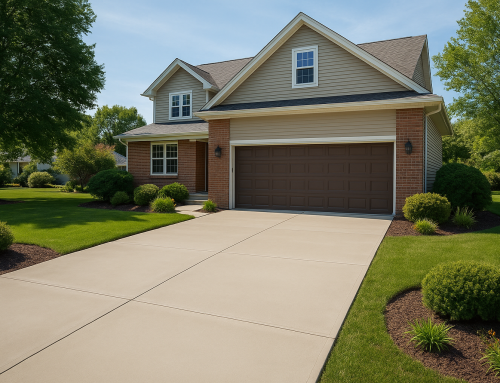
Concrete driveways are popular because they are strong, low-maintenance, and visually clean. A well-built driveway can handle heavy vehicle traffic and resist deterioration better than many other materials. Homeowners often choose broom finishes, exposed aggregate, or decorative stamping to improve appearance and traction.
Patios
A concrete patio creates a functional outdoor living area for dining, relaxing, and entertaining. Patios can be simple and practical or designed with color, texture, and custom shapes. With the right finish, they blend smoothly into landscaping and add value to the property.
Walkways and Sidewalks
Walkways and sidewalks need to be level, durable, and safe. Concrete is ideal for these areas because it offers a stable walking surface and can be shaped to fit narrow spaces, curves, and transitions between different parts of a property.
Foundations and Slabs
Foundations and slabs are among the most critical types of concrete work. They support the weight of a structure, so precision is essential. Proper excavation, reinforcement, and curing help ensure the slab remains stable and resistant to settling or cracking.
Retaining Walls and Steps
Concrete retaining walls and steps provide both structural support and practical access across changes in elevation. These features require careful design and installation to ensure strength, drainage, and long-term stability.
The Concrete Work Process
Understanding the process behind concrete work done on your property can help you know what to expect from start to finish.
1. Planning and Site Evaluation
The first step is reviewing the site and determining the purpose of the concrete project. A contractor will look at soil conditions, slope, drainage, dimensions, and access to the work area. This stage is also when the project’s thickness, reinforcement, and finish options are usually selected.
2. Excavation and Preparation
Before concrete is poured, the area must be cleared, graded, and compacted. Good site prep prevents shifting, sinking, and water buildup later. In many cases, a gravel base is added to help with stability and drainage.
3. Forming and Reinforcement
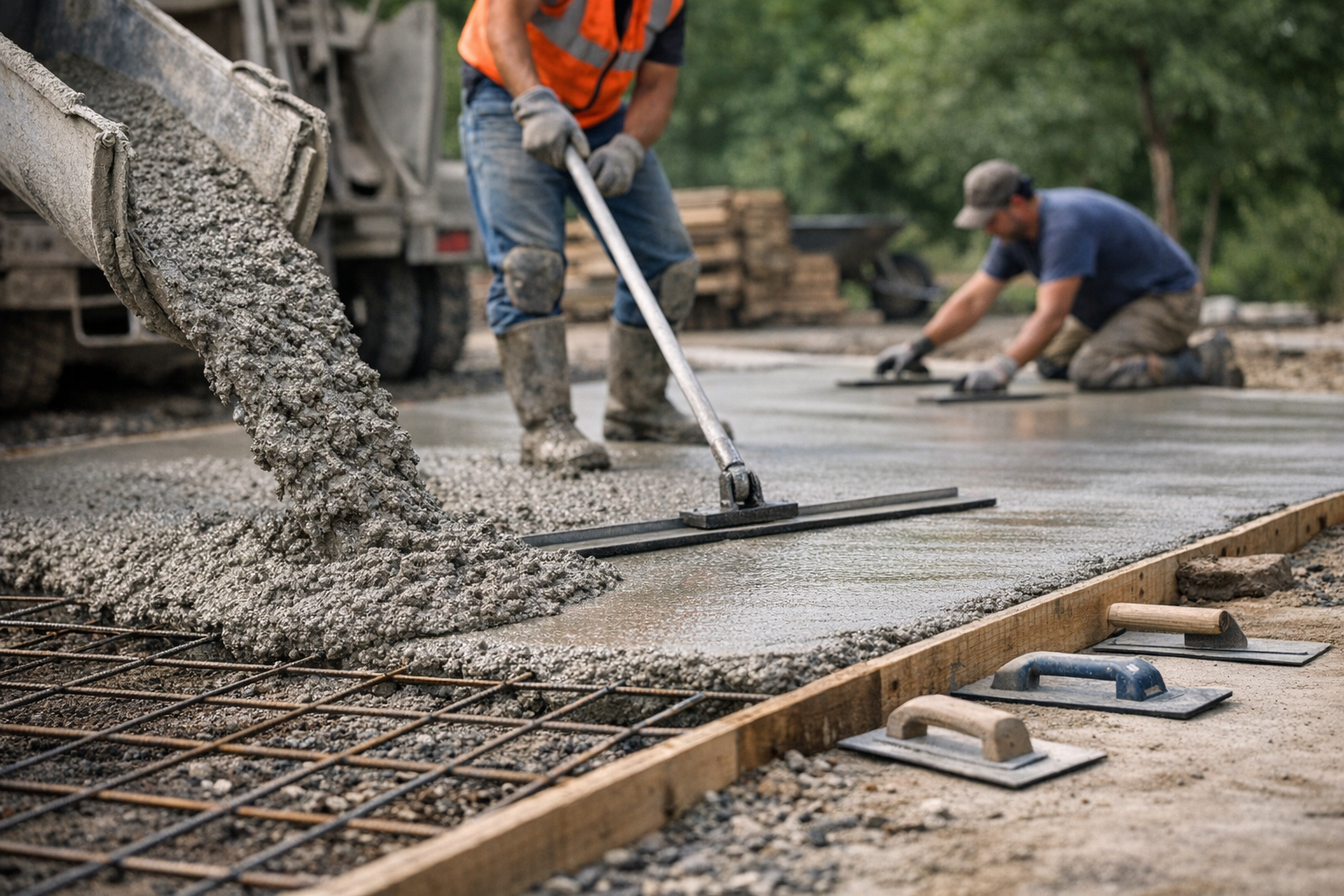
Forms are built to shape the concrete and keep it contained during pouring. Reinforcement such as rebar or wire mesh may be installed to improve strength and reduce cracking. This step is especially important for load-bearing surfaces like driveways and foundations.
4. Pouring the Concrete
Once the site is ready, the concrete mix is poured into the forms and spread evenly. Timing matters here because the material begins to set relatively quickly. A skilled crew works efficiently to place the concrete before finishing begins.
5. Finishing the Surface
Finishing gives the concrete its final look and function. Depending on the project, this may include smoothing, brushing, edging, stamping, or applying decorative textures. The chosen finish can improve both appearance and slip resistance.
6. Curing
Curing is one of the most important parts of the process, yet it is often overlooked. Concrete needs time to gain strength properly, and keeping it moist during curing helps reduce cracking and surface weakness. While it may feel hard quickly, concrete continues to strengthen over time.
Why Professional Concrete Work Matters
Hiring a professional for concrete work done on your property can make a major difference in the final outcome. Experienced contractors understand how to handle drainage, reinforcement, finishing techniques, and curing conditions. They also know how to account for climate, soil movement, and the specific demands of each project.
Professional installation helps reduce common problems such as surface scaling, uneven slabs, water pooling, and early cracking. In addition, a knowledgeable contractor can recommend the best finish, thickness, and reinforcement for your needs. That guidance is especially valuable for larger or more complex projects where small mistakes can become expensive later.
How to Prepare for a Concrete Project
If you are getting concrete work done, a little preparation can help the project run smoothly. Start by identifying the exact area and purpose of the project. Think about how the space will be used, how much weight it will need to support, and whether you want a basic or decorative finish.
It is also helpful to discuss drainage, permits, timelines, and maintenance expectations with your contractor before work begins. Ask about the curing period, when the surface can be used, and how to care for it during the first few weeks. If you are replacing an existing slab, make sure demolition and removal are included in the plan.
Maintaining Concrete After the Work Is Done
Once your project is complete, proper maintenance will help preserve the surface and extend its lifespan. Keep the area clean by sweeping away debris and washing off dirt or stains as needed. Avoid using harsh chemicals unless they are approved for concrete surfaces.
Sealing may be recommended for certain types of concrete, especially decorative or outdoor surfaces. A quality sealer can help protect against moisture, staining, and freeze-thaw damage. It is also important to avoid heavy loads or de-icing products too soon after installation, since fresh concrete needs time to fully cure.
Choosing the Right Contractor
The success of your project depends heavily on the contractor you choose. Look for a company with experience in the specific type of concrete work you need, whether that is residential, commercial, structural, or decorative. Ask for examples of past projects, clear pricing, and a written timeline.
Good communication is another important sign of a reliable contractor. They should be willing to explain the process, answer your questions, and discuss potential challenges before work begins. A detailed estimate and clear contract can help avoid surprises and keep the project on track.
Conclusion
Concrete work done well provides lasting strength, function, and visual appeal. From driveways and patios to foundations and sidewalks, the right planning and installation make all the difference. By understanding the process and choosing an experienced contractor, you can feel confident that your concrete project will stand the test of time.