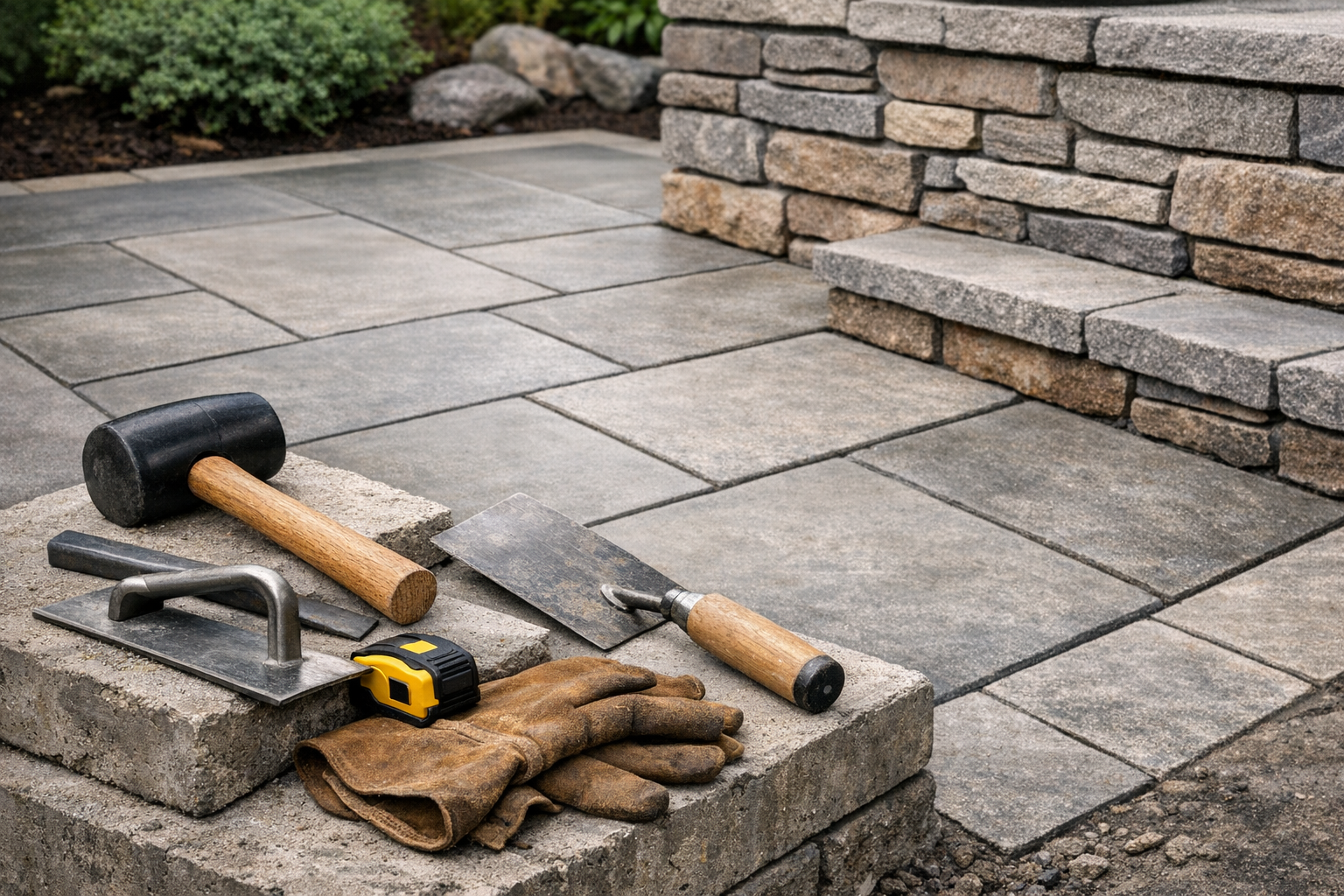
Stone Mason Concrete: What It Is and Why It Matters
Stone mason concrete is the art and practice of using concrete in work that supports, complements, or imitates traditional stone masonry. While stone masonry has long been associated with natural stone laid by skilled hands, modern concrete has become an essential material for foundations, retaining walls, decorative surfaces, repair work, and structural support. When used well, it offers strength, versatility, and a clean finish that can blend beautifully with stone features.
For homeowners, builders, and property managers, understanding stone mason concrete is important because it bridges old-world craftsmanship with modern performance. It can help preserve historic stone structures, create attractive hardscapes, and deliver long-lasting results in new construction. Whether the goal is structural integrity or visual appeal, concrete plays a major role in achieving it.
The Role of Concrete in Stone Masonry Work
In traditional stone masonry, the focus is on assembling stones with precision and stability. Concrete is often used behind the scenes to strengthen the finished project. It may serve as a footing, a base, a bond material, or a backing system that helps the stone installation hold up over time. In many cases, concrete is the hidden element that protects a stone wall from shifting, settling, or cracking.
Concrete also appears in modern stone mason work as a design feature. It can be colored, stamped, textured, or shaped to resemble natural stone while maintaining lower cost and easier installation. This makes it popular for patios, walkways, retaining walls, garden borders, and exterior cladding systems.
Structural Support
One of the most important uses of concrete in stone masonry is structural support. Stone is heavy, and it needs a stable foundation to perform well. Concrete footings distribute weight evenly and reduce the risk of movement caused by soil changes, frost, or water intrusion. In retaining walls and load-bearing structures, this support is essential for safety and longevity.
Blending Function and Appearance
Concrete does not have to look plain or industrial. Skilled stone masons use it in ways that enhance the overall appearance of a project. Smooth finishes, exposed aggregates, tinted surfaces, and carefully detailed joints can help concrete blend with natural stone or stand on its own as an attractive feature. This balance between strength and style is one of the reasons stone mason concrete remains so valuable.
Common Applications in Residential and Commercial Projects
Stone mason concrete is used in a wide range of projects. In residential settings, it supports driveways, front steps, garden walls, outdoor kitchens, fire pits, and decorative stone veneers. In commercial construction, it is often part of building facades, landscape walls, entry features, and durable public spaces that must handle constant use.
Because concrete is adaptable, it can be shaped to meet specific design needs. Contractors often use it to create clean transitions between natural stone and other materials such as brick, metal, or wood. This flexibility allows a property to feel cohesive while still using materials in the most practical way possible.
Retaining Walls and Garden Features
Retaining walls are one of the most common examples of stone mason concrete in action. A concrete base gives the wall stability, while stone facing or caps provide the finished look. The same approach works well for raised planters, outdoor seating walls, and terraced landscapes. These features improve both function and curb appeal.
Restoration and Repair Work
Concrete is also widely used in repair and restoration. Older stone structures may need reinforcement where mortar has weakened or stones have shifted. In these cases, concrete can be carefully introduced to stabilize the structure without altering its character. The goal is always to preserve the integrity of the original stonework while extending its service life.
Benefits of Choosing Stone Mason Concrete
There are several reasons property owners and builders rely on stone mason concrete. First, it offers excellent durability. Concrete performs well under pressure and can withstand weather, moisture, and daily wear when installed correctly. Second, it is cost-effective compared with using full stone throughout a project. Third, it provides design flexibility, making it possible to achieve both rustic and modern looks.
Another benefit is efficiency. Concrete can speed up construction while still allowing for a high-end finish. It also supports sustainability in some projects by reducing the amount of natural stone required. When paired with quality craftsmanship, it can create results that are both attractive and long-lasting.
Weather Resistance
Outdoor stonework faces rain, heat, freeze-thaw cycles, and shifting ground. Concrete helps manage these stresses by creating a stable and protective base. Proper drainage, sealing, and installation techniques are key to making sure the material performs as expected over time.
Design Versatility
From contemporary clean lines to traditional stone textures, concrete can adapt to many styles. It can be finished to match existing stonework or used as a contrast element that highlights the natural material around it. This versatility makes it useful for both new builds and renovations.
What to Look for in a Skilled Stone Mason
Not all concrete work is the same, and stone mason concrete requires a combination of technical skill and artistic judgment. A qualified stone mason should understand foundation requirements, moisture management, material compatibility, and finishing techniques. Experience matters because the best results often depend on careful planning and precise execution.
When hiring a professional, look for examples of previous work, clear communication, and knowledge of both concrete and stone materials. A good mason will recommend the right mix, reinforcement, and finish for the project rather than taking a one-size-fits-all approach. They should also be able to explain how the work will hold up over time and what maintenance may be needed.
Maintenance Tips for Long-Lasting Results
Even the best stone mason concrete benefits from proper care. Regular cleaning helps prevent dirt, algae, and staining from building up on the surface. Sealing may also be recommended, especially for decorative or exposed outdoor areas. Inspecting joints, drainage paths, and nearby stonework can help catch small issues before they become costly repairs.
It is also important to avoid using harsh chemicals or pressure washing too aggressively, as these can damage the surface or the surrounding stone. With routine maintenance and timely repairs, concrete and stone can remain strong and attractive for decades.
Conclusion
Stone mason concrete brings together the strength of modern materials and the beauty of traditional craftsmanship. Whether it is used for support, repair, or decorative design, it plays a vital role in creating structures that are both durable and visually appealing. With skilled installation and proper care, it can add lasting value to any property.