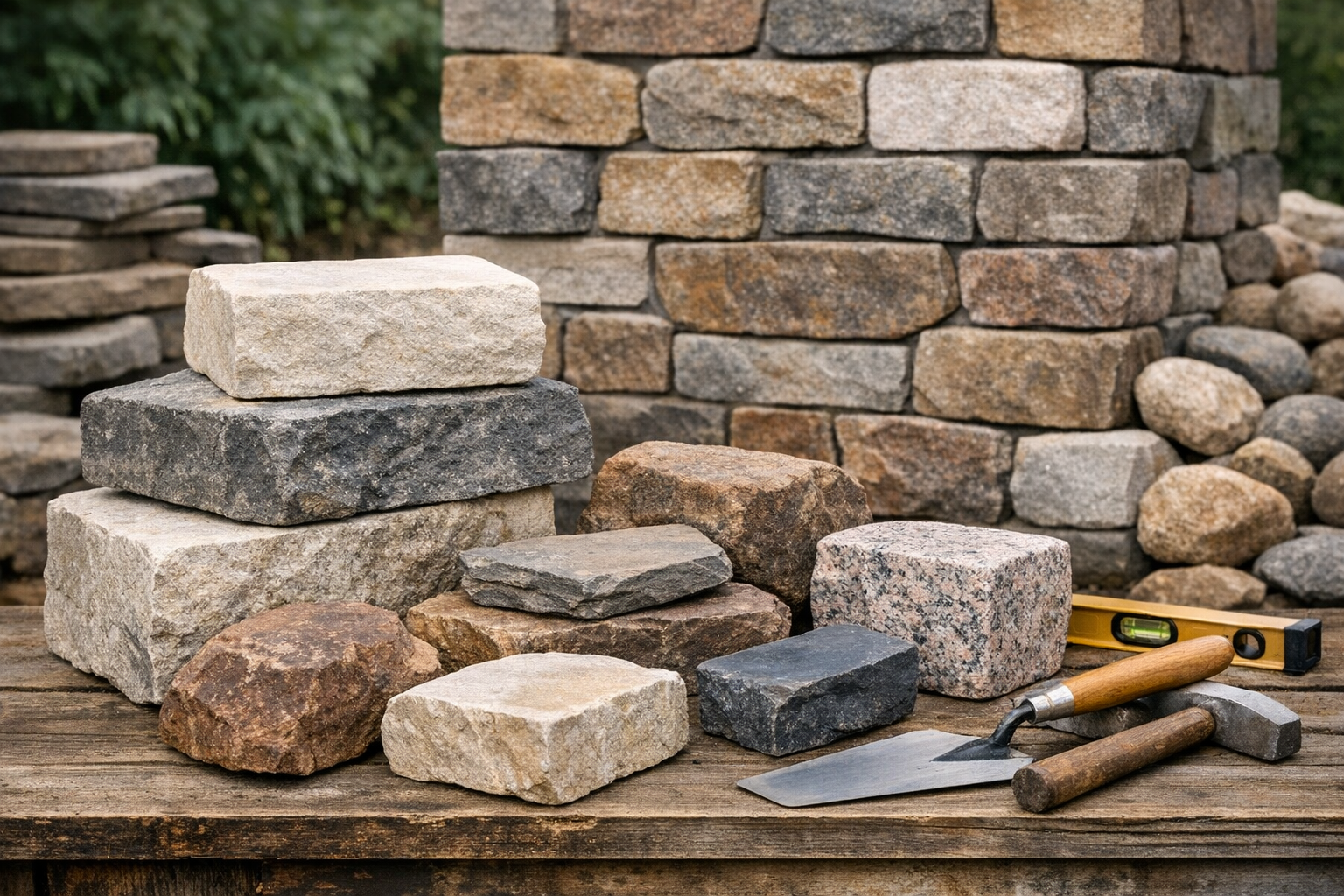
Stone has been a trusted building material for centuries, and for good reason. It offers strength, beauty, durability, and a timeless look that works in everything from garden walls to fireplaces and structural facades. If you are planning a masonry project, understanding the different types of stone for masonry work can help you choose a material that fits your design, budget, and performance needs.
Why Stone Is a Popular Choice for Masonry Work
Stone remains one of the most desirable materials in construction because it performs well and looks impressive. Unlike many manufactured products, natural stone has unique color variations, textures, and patterns that give each project a one-of-a-kind appearance. It is also known for its long lifespan, making it a smart choice for homeowners, builders, and landscape professionals who want lasting value.
In masonry work, stone can be used for both structural and decorative purposes. It may form load-bearing walls, veneers, retaining walls, steps, patios, and landscape features. Because it is strong and weather-resistant, stone can handle tough outdoor conditions while maintaining its appearance over time.
Common Types of Stone Used in Masonry
Not all stone is the same, and each type has its own characteristics. Choosing the right one depends on the project’s style, climate, and installation requirements.
Granite
Granite is one of the hardest and most durable stones used in masonry. It resists wear, moisture, and harsh weather, making it ideal for steps, retaining walls, and exterior paving. Its dense composition makes it more difficult to cut, but it offers excellent long-term performance.
Limestone
Limestone is a versatile option with a softer look and more workable surface. It is often used for walls, facades, and decorative masonry. Limestone is available in a range of tones, from light cream to gray, giving projects a refined, classic appearance.
Sandstone
Sandstone is valued for its natural texture and warm color palette. It is easier to shape than harder stones, which makes it a common choice for decorative walls and landscape elements. However, because it is more porous, it may require sealing in some applications.
Slate
Slate has a distinctive layered appearance and is often used for veneers, patios, and accent features. It offers a sleek, elegant finish and performs well in many outdoor settings. Its natural splitting tendency creates flat surfaces that work well in masonry installations.
Fieldstone
Fieldstone refers to stones gathered from the land rather than cut from quarries. These stones are often irregular in shape and size, creating a rustic, natural look. They are commonly used in garden walls, chimneys, and decorative features where a more organic style is desired.
Factors to Consider When Choosing Stone for Masonry Work
Selecting stone is about more than appearance. A successful masonry project depends on matching the right stone to the right application.
Durability and Weather Resistance
Some stones perform better in freeze-thaw climates, coastal environments, or areas with heavy moisture. Dense stones like granite are excellent for harsh conditions, while softer stones may be better suited for protected or decorative uses.
Weight and Structural Support
Stone can be heavy, so the structure beneath it must be able to support the load. For walls, veneers, and freestanding features, it is important to consider the foundation, wall thickness, and overall engineering requirements before installation begins.
Color and Texture
The color and surface finish of the stone affect the final look of the project. Smooth-cut stone gives a more formal appearance, while rough or irregular stone creates a rustic feel. When choosing stone, consider how it will complement nearby materials such as brick, wood, concrete, or metal.
Cost and Availability
Pricing can vary widely depending on the type of stone, its source, and how much processing is required. Locally available stone often reduces transportation costs and may blend better with regional architecture. It is wise to balance budget concerns with the durability and visual effect you want to achieve.
How Stone Is Used in Masonry Projects
Stone is incredibly adaptable, which is one reason it remains a favorite material in masonry. It can be installed in several ways depending on the design and purpose of the project.
For structural work, stone may be laid in courses with mortar joints to create stable walls and foundations. In decorative applications, thin stone veneer can provide the look of full stone without the same weight or cost. Stone is also widely used for fireplaces, piers, columns, retaining walls, garden edging, and outdoor living spaces.
In landscaping, stone masonry adds texture and definition to paths, patios, terraces, and water features. Because natural stone blends well with plants and soil, it helps outdoor areas feel more grounded and cohesive.
Benefits of Using Stone in Masonry
Stone offers several advantages that make it worth considering for a wide range of projects. First, it is extremely durable and can last for decades with proper installation and basic care. Second, it provides a natural aesthetic that is difficult to replicate with synthetic materials. Third, stone can increase a property’s curb appeal and perceived value.
Another benefit is low maintenance. While some stone surfaces may need occasional cleaning or sealing, they typically do not require frequent repair or replacement. That long service life can make stone a cost-effective investment over time.
Maintenance Tips for Stone Masonry
Stone masonry is generally low maintenance, but a little care helps preserve its appearance and performance. Regularly remove dirt, leaves, and debris from stone surfaces, especially in outdoor settings where moisture can collect. If your stone has mortar joints, inspect them periodically for cracks or deterioration.
For porous stones, sealing may help protect against staining and water absorption. Avoid harsh chemicals or abrasive cleaning tools, as they may damage the surface. If you notice shifting, cracking, or loose sections, it is best to address the issue early to prevent larger repairs later.
Conclusion
Stone for masonry work combines strength, style, and longevity in a way few materials can match. Whether you choose granite for durability, limestone for elegance, or fieldstone for a rustic look, the right stone can elevate both the function and appearance of your project. By considering the stone’s properties, installation needs, and long-term maintenance, you can create masonry work that stands the test of time.