Introduction
Masonry is one of the oldest and most trusted building methods in the world. From historic cathedrals and chimneys to modern homes, patios, and retaining walls, the work of a mason continues to shape the way buildings look and last. While the term mason refers to the skilled craftsperson, masonry refers to the construction method itself—using stone, brick, concrete block, or similar materials joined with mortar or other bonding systems.
Today, masonry remains valued for its strength, fire resistance, energy performance, and timeless appearance. Whether you are planning a new build, repairing an old wall, or simply learning more about the trade, understanding mason and masonry can help you appreciate why this craft has endured for centuries.
What Is a Mason?
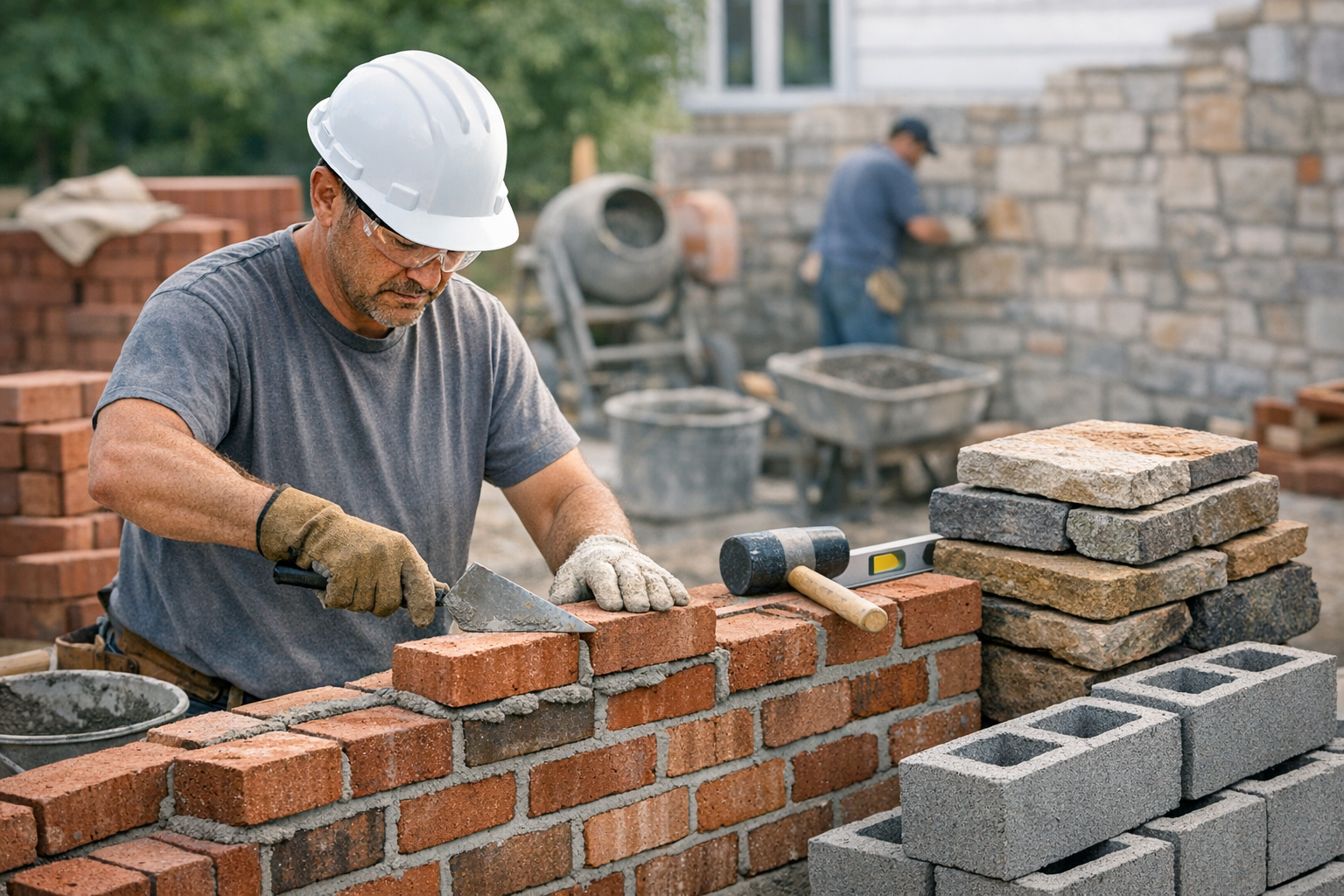
A mason is a trained tradesperson who works with stone, brick, concrete block, and related materials to build or repair structures. The job requires more than placing materials in rows. A mason must understand measurements, levels, alignment, bonding patterns, material behavior, and the proper use of mortar and tools.
Masons often specialize in specific areas, such as bricklaying, stone masonry, or blockwork. Some focus on restoration and historic preservation, while others work on new residential or commercial construction. No matter the specialty, precision and craftsmanship are essential.
Skills a Good Mason Needs
- Strong attention to detail
- Understanding of building plans and measurements
- Knowledge of materials and mortar mixes
- Physical strength and stamina
- Ability to use hand tools and power tools safely
- Problem-solving skills for repairs and custom work
Because masonry is both technical and hands-on, experienced masons are often respected for combining craftsmanship with practical construction knowledge.
What Is Masonry?
Masonry is a construction technique that uses individual units arranged and bonded together to form a structure. These units may be natural stone, manufactured brick, concrete block, or even veneer materials designed to provide the look of masonry without full structural thickness.
The key feature of masonry is that the components are laid in courses or patterns and held together with mortar, grout, or mechanical systems depending on the application. Masonry can be structural, meaning it supports loads, or non-structural, meaning it serves as a finish layer or decorative surface.
Main Types of Masonry
- Brick masonry: Common in homes, fireplaces, walls, and facades.
- Stone masonry: Known for its natural beauty and long-lasting durability.
- Concrete block masonry: Often used in foundations, basements, and commercial buildings.
- Veneer masonry: A decorative outer layer attached to a structural wall.
Each type has its own appearance, cost range, installation method, and maintenance needs.
The Materials Used in Masonry
The quality of masonry work depends heavily on the materials used. A mason must choose the right unit and mortar for the job, taking into account strength, weather exposure, moisture, and aesthetics.
Common Masonry Materials
- Brick: Durable, uniform, and available in many colors and textures.
- Natural stone: Includes granite, limestone, sandstone, and slate.
- Concrete masonry units (CMUs): Affordable and strong, often used in load-bearing walls.
- Mortar: The bonding material that helps hold masonry units together.
- Reinforcement: Steel bars or mesh may be added for extra strength in some projects.
Choosing the right materials can improve durability and reduce future repair costs. For example, exterior masonry in a wet climate may need special attention to drainage and moisture control.
Why Masonry Is Still Popular
Even with modern framing methods and lightweight building products, masonry remains a preferred choice for many property owners and builders. One reason is its reputation for long-term performance. Masonry structures can last for decades or even centuries when properly designed and maintained.
Key Benefits of Masonry
- Durability: Masonry stands up well to weather, impact, and general wear.
- Fire resistance: Brick, stone, and block do not burn like many other materials.
- Low maintenance: Compared with some siding and cladding systems, masonry often requires less routine upkeep.
- Energy efficiency: Masonry can help regulate indoor temperatures by absorbing and slowly releasing heat.
- Timeless appearance: It offers a classic look that works in both traditional and modern designs.
These advantages make masonry a strong investment for many projects, especially where longevity and curb appeal matter.
Common Masonry Projects
Masons work on a wide variety of residential, commercial, and decorative projects. Some jobs are purely functional, while others combine structure and design.
Examples of Masonry Work
- Exterior walls and building facades
- Fireplaces and chimneys
- Patios, walkways, and garden walls
- Retaining walls and foundations
- Columns, arches, and entry features
- Restoration of historic brick or stonework
In home improvement projects, masonry can dramatically improve both appearance and property value. In larger construction, it contributes to structural integrity and building performance.
Maintenance and Care
Although masonry is durable, it is not completely maintenance-free. Over time, mortar joints may crack, moisture may enter walls, and bricks or stones may shift due to weather or settling. Regular inspection helps catch small issues before they become expensive repairs.
Basic masonry maintenance may include repointing damaged mortar, sealing certain surfaces, cleaning stains carefully, and ensuring proper drainage around foundations and walls. It is especially important to address cracks, bulging, or water damage early, since these can indicate deeper structural concerns.
For historic masonry, repairs should be handled with extra care. Matching original materials and methods helps preserve both the appearance and the integrity of the structure.
Choosing a Mason for Your Project
If you are hiring a mason, look for experience, references, and a clear understanding of the type of work you need. A skilled mason should be able to explain material choices, timelines, and the steps required to complete the job properly.
Ask to see examples of previous work, especially if your project includes custom stonework, restoration, or decorative brick patterns. It is also wise to confirm licensing, insurance, and written estimates before construction begins.
A good mason does more than build walls—they help ensure your project is safe, attractive, and made to last.
Conclusion
Mason and masonry are closely connected parts of a craft that has shaped buildings for thousands of years. From the skill of the mason to the strength and beauty of the finished structure, masonry continues to offer lasting value in modern construction. Whether you need a repair, a new installation, or simply want to understand the trade better, masonry remains a reliable and impressive building method.