
Introduction
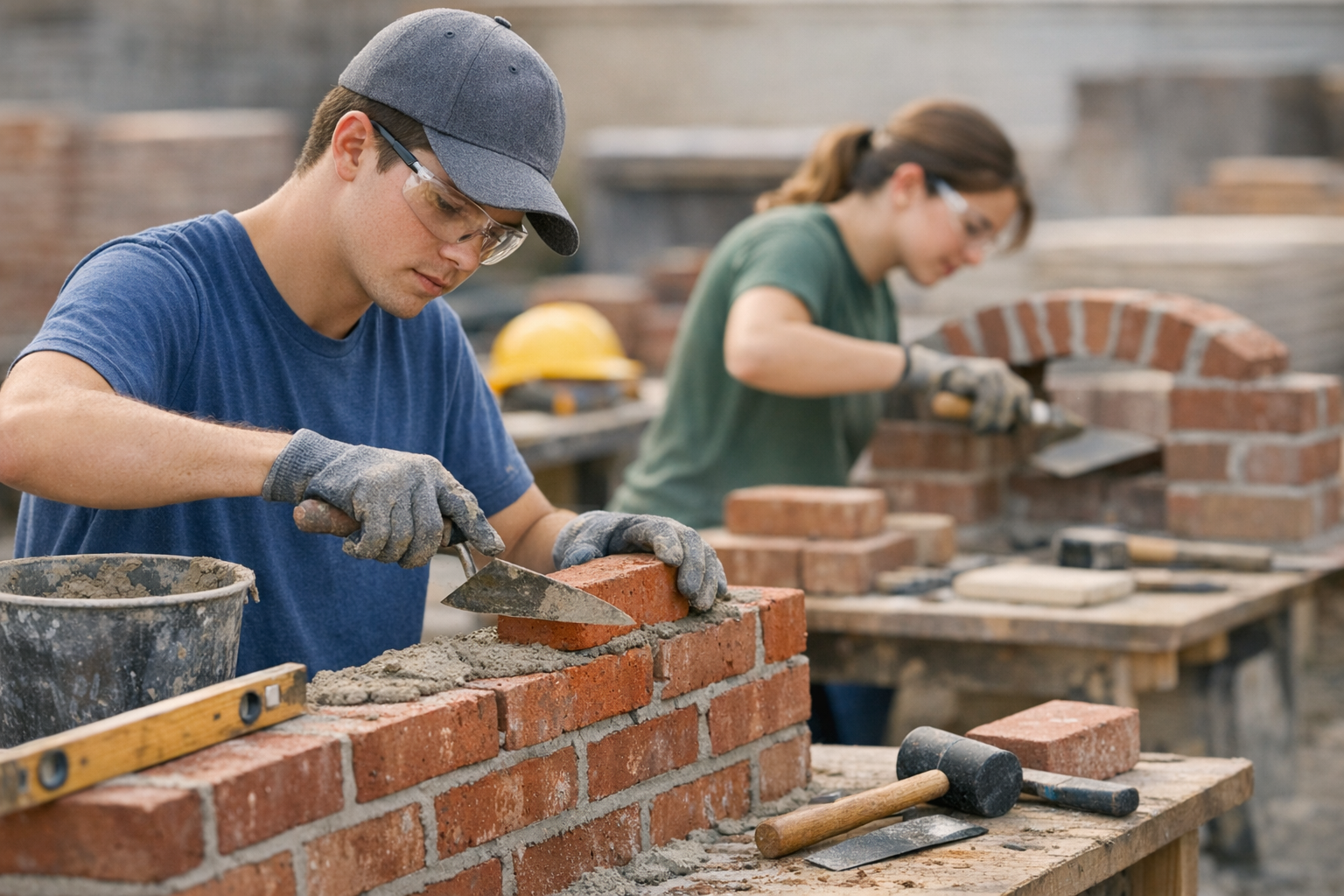
Masonry projects for students are a hands-on way to learn construction basics while building real, useful items. Whether in a shop class, vocational program, or after-school workshop, masonry introduces students to materials like brick, block, stone, and mortar. It also helps them develop patience, accuracy, teamwork, and an appreciation for skilled trades.
For educators and students alike, masonry projects can be both educational and rewarding. They offer a chance to combine creativity with technical know-how, and they often produce durable results that students can be proud of. In this post, we’ll explore the benefits of masonry projects, share beginner-friendly ideas, and offer practical tips for success.
Why Masonry Projects Are Valuable for Students
Masonry teaches more than how to stack bricks. It gives students experience with planning, measuring, leveling, and problem-solving. These are skills that matter in construction, design, engineering, and many other fields.
Another major benefit is that masonry work encourages attention to detail. A small mistake in alignment or mortar consistency can affect the final result, so students quickly learn the importance of precision. At the same time, masonry is a collaborative trade, which makes it ideal for team-based learning environments.
Students also gain confidence from seeing a project through from start to finish. Completing a planter, bench, or small wall provides a sense of accomplishment and shows that steady effort leads to visible results.
Best Masonry Projects for Students
The best student masonry projects are simple enough for beginners but still teach essential skills. They should be manageable within a school semester, workshop, or short training program.
1. Brick Planters
Brick planters are one of the most popular student projects because they are practical and visually appealing. Students learn how to lay bricks evenly, apply mortar, and keep courses level. A planter can be built in a variety of shapes and sizes, making it easy to adapt for different skill levels.
2. Small Retaining Walls
A small retaining wall project helps students understand structural stability and basic design principles. This type of project is useful for teaching footing preparation, drainage considerations, and proper alignment. Keeping the wall short and simple makes it ideal for beginners.
3. Outdoor Benches
Brick or block benches are excellent classroom projects because they combine function with craftsmanship. Students can learn how to create a sturdy base, level seating surfaces, and attractive finishes. These benches are often installed on school grounds, giving students a lasting contribution to their campus.
4. Garden Borders
Garden borders are a smaller-scale project that introduces masonry without overwhelming new learners. They are perfect for practicing straight lines, spacing, and consistency. Because they require fewer materials, they can also be completed more quickly than larger projects.
5. Decorative Columns or Pillars
Decorative columns allow students to practice symmetry and repeatable patterns. While they are not as structurally demanding as walls, they still require careful layout and clean workmanship. Adding caps or simple decorative details can make the project more engaging.
Skills Students Learn Through Masonry
Masonry projects help students build a strong foundation of technical and soft skills. First, they learn how to measure accurately and read plans. These abilities are essential in construction and many STEM-related careers.
Students also develop hand-eye coordination through trowel work, brick placement, and leveling. They begin to understand material behavior, including how mortar sets and how different masonry units fit together. Safety is another important lesson, as students must learn how to use tools properly and protect themselves on the job.
In addition to technical skills, masonry teaches perseverance. Projects can be physically demanding and require repetition, but students learn how to work carefully and consistently until the task is done.
Tips for Successful Student Masonry Projects
A successful masonry project starts with good planning. Educators should choose a project that fits the students’ experience level, available time, and tool access. Clear instructions, demonstrations, and a step-by-step approach help students stay on track.
It’s also important to begin with safety training. Students should understand how to handle materials, lift properly, and wear protective gear such as gloves, goggles, and sturdy footwear. Because masonry can be physically demanding, instructors should monitor technique and encourage proper posture and teamwork.
Prepping materials ahead of time can save valuable class time. Organizing bricks, blocks, tools, water, and mortar before work begins allows students to focus on learning instead of searching for supplies. Instructors should also check that surfaces are level and layouts are marked clearly before construction starts.
For best results, encourage students to work in pairs or small groups. One student can manage mortar while another places units, which helps build cooperation and keeps the project moving. Regular check-ins during the process can prevent mistakes from becoming larger problems later.
How to Make Masonry Projects More Engaging
Students are more motivated when they can see a purpose behind their work. Whenever possible, choose projects that will be used by the school or community, such as benches, planters, or garden features. Knowing that others will benefit from their efforts can make the learning experience more meaningful.
Another way to increase engagement is to let students participate in design decisions. Even simple choices about shape, pattern, or finish can help them feel ownership of the project. Instructors can also connect masonry lessons to math, engineering, and architecture to show how the trade fits into broader academic goals.
Finally, celebrating the finished project matters. Photos, before-and-after comparisons, or a small presentation can help students take pride in their work and reflect on what they learned.
Conclusion
Masonry projects for students are a practical, educational, and rewarding way to introduce construction skills. From brick planters to small benches and retaining walls, these projects teach measurement, teamwork, safety, and craftsmanship. With the right planning and support, students can create lasting work while building confidence and valuable experience.
If you’re looking for a hands-on project that combines skill development with real-world results, masonry is an excellent place to start.