
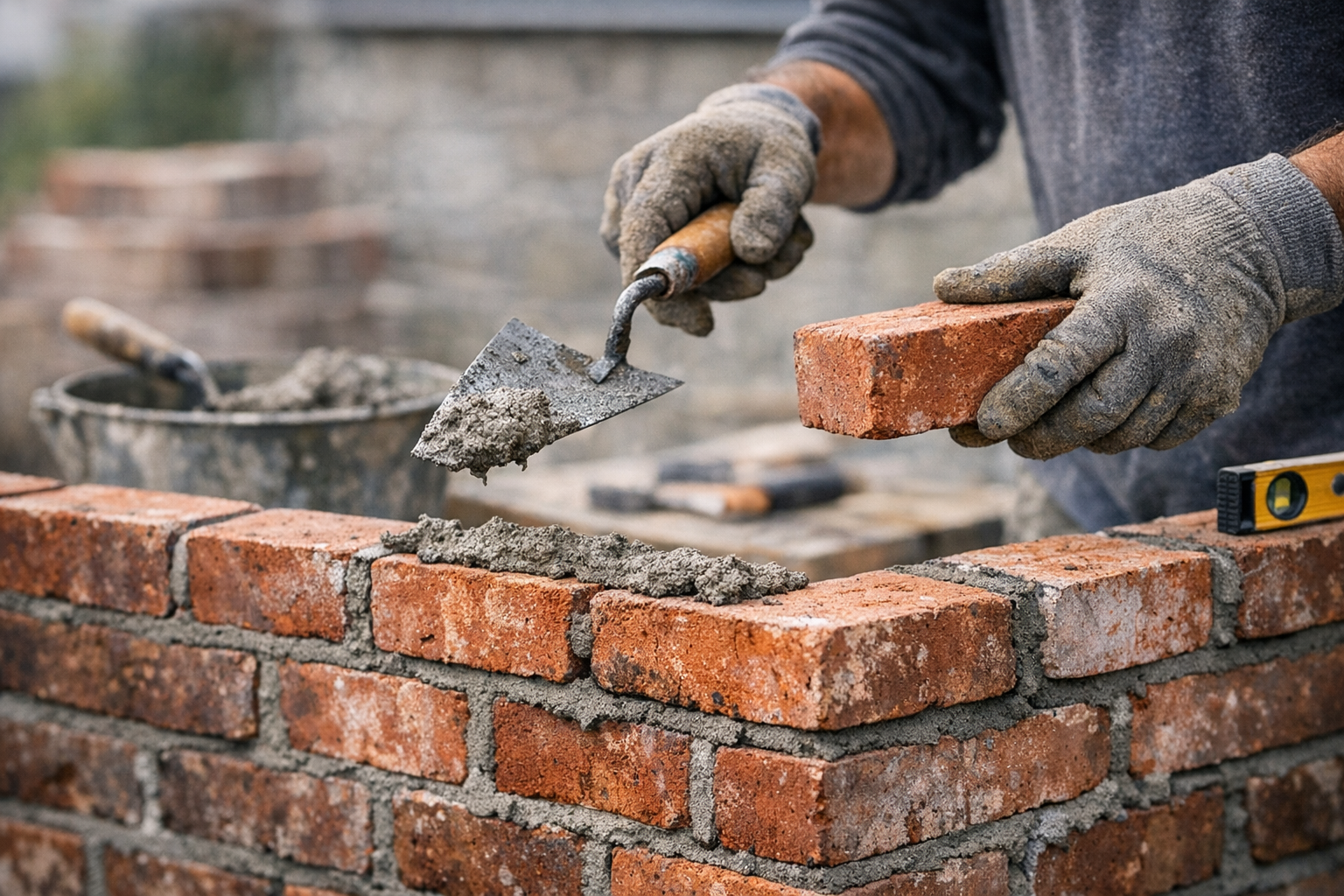
What Is Masonry Experience?
Masonry experience refers to the practical knowledge and hands-on skill gained from working with stone, brick, block, and mortar in construction or restoration projects. It is more than simply knowing how to place materials; it involves understanding structural integrity, material behavior, tools, techniques, and finishing details that affect both appearance and durability. Whether someone is building a retaining wall, restoring a historic chimney, or constructing a new fireplace, masonry experience plays a major role in the quality of the final result.
This experience is built over time through repeated work on different types of projects. An experienced mason learns how to prepare surfaces, mix mortar correctly, align courses, and work safely around heavy materials and specialized tools. The more varied the projects, the broader the mason’s skill set becomes. That is why masonry experience is often one of the most important qualifications clients look for when hiring a contractor.
Why Masonry Experience Matters
Masonry is a craft where small mistakes can create costly problems later. Poorly laid brick or stone can lead to cracks, water intrusion, uneven surfaces, and even structural failure. Masonry experience helps reduce those risks by ensuring the work is done correctly from the start. A skilled mason knows how to evaluate the site, choose appropriate materials, and adapt techniques to the conditions of the project.
Experience also matters because masonry projects often require precision and patience. Unlike some forms of construction that can be quickly adjusted, masonry work is usually permanent and highly visible. A wall that is even slightly out of alignment or a mortar joint that is inconsistent can affect the overall appearance of the project. With experience comes an eye for detail, better judgment, and a stronger understanding of long-term performance.
Key Skills Developed Through Masonry Experience
Material Selection and Preparation
One of the first skills developed in masonry experience is selecting the right materials for the job. Different projects require different types of brick, stone, block, mortar, and sealants. A mason must know when to use each material and how to prepare them properly for installation. For example, outdoor work may require materials that can withstand freeze-thaw cycles, while interior decorative masonry may focus more on appearance than weather resistance.
Mixing and Applying Mortar
Mortar is essential to masonry construction, and experience teaches how to mix it to the correct consistency for the task. Too dry, and it will not bond well; too wet, and it may lose strength or slump. Skilled masons also understand how to apply mortar evenly so joints are strong, consistent, and visually appealing.
Precision and Alignment
Brick and stone work depend on accurate measurements and straight lines. Masonry experience improves the ability to keep courses level, maintain plumb walls, and create symmetrical patterns. This precision is especially important in visible projects such as facades, fireplaces, arches, and decorative stonework.
Problem-Solving on Site
Construction rarely goes exactly as planned. Experienced masons know how to respond when surfaces are uneven, weather changes suddenly, or materials do not behave as expected. They can identify issues early and adjust their method to protect the project’s quality and timeline.
Types of Masonry Experience
Masonry experience can come from many different settings, and each one contributes valuable knowledge. Residential masonry may involve patios, chimneys, walkways, and fireplaces. Commercial masonry often focuses on large-scale walls, facades, and structural components. Restoration work requires a careful understanding of older materials and historic techniques.
Some masons specialize in brick, while others work primarily with natural stone or concrete block. Each specialty develops different strengths. Brick masonry often emphasizes pattern, consistency, and speed. Stone masonry may require more shaping and artistic placement. Block work may focus on structural applications and efficiency. The best masonry experience often comes from exposure to several of these areas, creating a well-rounded professional.
How to Recognize Real Masonry Experience
If you are hiring a mason or contractor, it helps to know how to evaluate their experience. One of the best indicators is a portfolio of completed projects. Photos can show the quality of the work, but they should also include a variety of project types. This reveals whether the mason has handled different materials and conditions.
References and reviews are also important. Clients can share whether the work held up over time, whether the job stayed on schedule, and how well the mason communicated throughout the process. Experience is not just about technical skill; it also includes professionalism, reliability, and the ability to deliver consistent results.
Asking questions can provide valuable insight as well. A seasoned mason should be able to explain the materials they recommend, the techniques they use, and how they plan to handle challenges specific to your project. Clear, confident answers often signal genuine hands-on experience.
The Value of Experience in Masonry Restoration
Restoration projects are a perfect example of why masonry experience is so valuable. Older structures often need repairs that match existing materials and craftsmanship. This can be difficult because older brick sizes, mortar compositions, and stone finishes may differ from modern products. An experienced mason understands how to blend new work with old without making the repair stand out.
Restoration also requires care to avoid damaging the original structure. A mason with deep experience knows when to remove deteriorated material, how to repoint joints properly, and how to preserve the integrity of heritage masonry. In this way, experience protects not just the building but also its history and character.
Building Masonry Experience Over Time
Like many skilled trades, masonry experience grows through practice, mentorship, and continued learning. New masons often begin by helping with basic tasks such as mixing mortar, carrying materials, or cleaning tools. Over time, they take on more complex responsibilities such as laying brick, setting stone, or finishing joints. Each project adds to their understanding and confidence.
Training programs, apprenticeships, and on-the-job learning all contribute to this development. Even experienced masons continue learning as materials evolve and building codes change. The best professionals remain open to new methods while relying on the proven principles that make masonry durable and attractive.
Conclusion
Masonry experience is more than a resume detail. It is the foundation of quality, safety, and long-lasting results in brick, stone, and block construction. From material selection to final alignment, experience shapes every step of the process. Whether you are planning a new project or hiring a mason, understanding the value of experience can help you make smarter decisions and achieve better results.