Masonry and concrete work are two of the most important parts of building strong, long-lasting structures. From foundations and retaining walls to patios, walkways, chimneys, and decorative features, these materials help create spaces that are both functional and visually appealing. Whether you are planning a new project or maintaining an existing structure, understanding the basics of masonry and concrete work can help you make better decisions and protect your investment.
What Is Masonry Work?
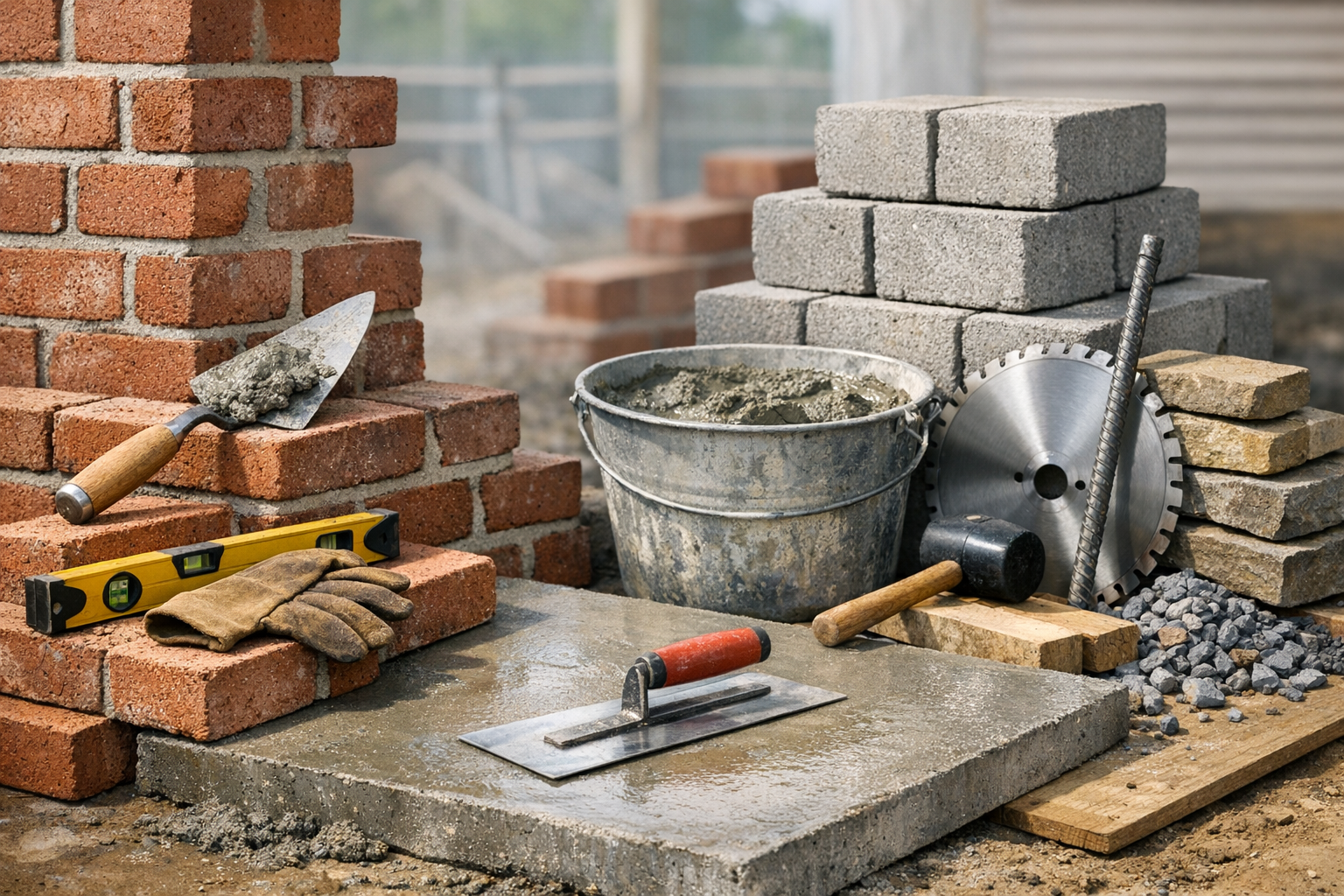
Masonry work involves building with materials such as brick, stone, block, and mortar. These materials are assembled by skilled tradespeople to create walls, fireplaces, chimneys, veneers, steps, and other structural or decorative elements. Masonry is valued for its strength, fire resistance, and timeless appearance.
Common Masonry Materials
The most common masonry materials include clay brick, natural stone, concrete block, and manufactured stone veneer. Each has its own advantages. Brick offers a classic look and excellent durability. Stone provides a natural, high-end appearance. Concrete block is often used for structural walls because it is strong and cost-effective. Veneer systems are popular when homeowners want the look of masonry without the full weight of solid stone or brick construction.
Typical Masonry Applications
Masonry is used in both residential and commercial construction. Common applications include exterior walls, fireplace surrounds, garden walls, patios, columns, and structural support walls. Masonry can also improve curb appeal by adding texture, color, and character to a property. Because it performs well in many climates, it remains a popular choice for builders and homeowners alike.
What Is Concrete Work?
Concrete work focuses on pouring, shaping, finishing, and curing concrete for a wide range of construction needs. Concrete is made from cement, water, and aggregates such as sand and gravel. When mixed correctly and placed properly, it becomes an extremely durable material that can support heavy loads and withstand daily wear.
Common Concrete Projects
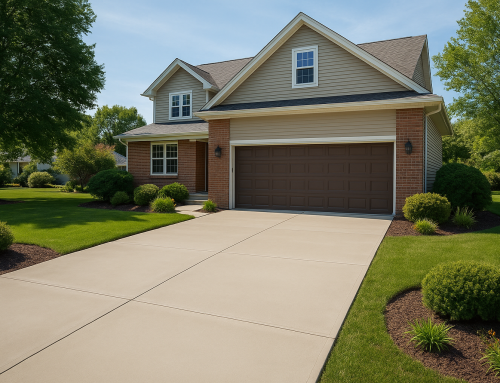
Concrete work is used for foundations, driveways, sidewalks, slabs, garage floors, patios, pool decks, and structural supports. It is also widely used in commercial buildings, industrial facilities, and infrastructure projects. Concrete’s versatility makes it suitable for both large-scale structural work and decorative applications.
Types of Concrete Finishes
Concrete does not have to be plain gray. It can be finished in many ways, including broom-finished, stamped, exposed aggregate, polished, and stained surfaces. A broom finish offers traction for walkways and driveways, while stamped and stained concrete can mimic the look of stone, brick, or tile. These finishing options make concrete a practical and attractive choice for many projects.
Why Quality Workmanship Matters
High-quality masonry and concrete work depends on proper planning, skilled labor, and attention to detail. Even the best materials can fail if they are installed poorly. Cracks, water intrusion, settling, and surface damage often result from weak workmanship, poor drainage, incorrect mixing, or inadequate curing.
Structural Strength and Safety
One of the main reasons workmanship matters is safety. Foundations, retaining walls, and load-bearing masonry must be built correctly to support the structure above them. Inaccurate measurements, weak mortar joints, or insufficient reinforcement can create long-term risks. Professional installation helps ensure the structure remains stable and safe over time.
Appearance and Property Value
Good masonry and concrete work also improves the look and value of a property. Clean joints, smooth finishes, even surfaces, and proper alignment create a polished result. Attractive hardscape features can increase curb appeal and make outdoor spaces more enjoyable. For many property owners, this combination of beauty and durability is one of the biggest advantages of investing in professional work.
Important Steps in a Masonry or Concrete Project
Every successful project begins with careful planning. Before work starts, the site should be evaluated for soil conditions, drainage, slope, and intended use. The materials, dimensions, and reinforcement needs should all be determined in advance.
Preparation and Layout
Proper site preparation is essential. For concrete work, this usually includes grading, compacting the base, and setting forms. In masonry, the foundation or footing must be level and stable so the finished structure stays aligned. Accurate layout ensures the final result matches the design and performs as expected.
Mixing, Placement, and Finishing
Concrete must be mixed to the correct consistency and placed without delay. It should be spread evenly, compacted when necessary, and finished according to the intended surface type. Masonry requires correct mortar consistency, careful placement of units, and consistent joint thickness. These details affect both strength and appearance.
Curing and Protection
Curing is one of the most overlooked parts of concrete work. Concrete gains strength over time, and it must be kept at the right moisture level during the early curing period. Masonry projects also benefit from protection against extreme weather while mortar sets. Rushing this stage can lead to cracks, weak bonds, or surface problems later on.
Common Issues and How to Prevent Them
Cracking, shifting, spalling, and water damage are some of the most common problems in masonry and concrete structures. Many of these issues can be prevented with the right installation methods and routine maintenance.
Cracking and Settlement
Some cracking is normal, but large or expanding cracks may indicate a deeper issue. Poor soil preparation, heavy loads, temperature changes, and moisture movement can all contribute to cracking. Expansion joints, proper reinforcement, and a well-compacted base help reduce these risks.
Moisture and Drainage Problems
Water is one of the biggest threats to masonry and concrete. Poor drainage can lead to erosion, staining, freeze-thaw damage, and structural deterioration. Keeping gutters, downspouts, grading, and drainage systems in good condition helps protect hardscape surfaces and foundations.
Routine Maintenance
Regular maintenance extends the life of masonry and concrete work. This may include sealing surfaces, repairing small cracks, cleaning stains, and checking for loose joints or signs of movement. Catching minor problems early is usually far easier and less expensive than waiting until major damage occurs.
Choosing the Right Professional
Selecting the right contractor is key to a successful project. Look for a professional with experience in the specific type of work you need, whether that is a new foundation, a decorative patio, or masonry repair. A reliable contractor should be able to explain the process, recommend materials, and provide clear pricing and timelines.
What to Look For
Strong references, a portfolio of past work, proper licensing and insurance, and good communication are all important. It also helps to choose someone who understands local building codes and weather conditions. The right professional will focus on both structural performance and visual quality.
Conclusion
Masonry and concrete work play a major role in the strength, function, and appearance of homes and commercial properties. When planned carefully and installed with skill, these materials can last for decades while adding real value. By understanding the basics, recognizing quality workmanship, and keeping up with maintenance, you can make smarter choices for any construction or repair project.