What Is a Concrete Free Estimate?
A concrete free estimate is a no-obligation quote provided by a concrete contractor for a planned project such as a driveway, patio, sidewalk, slab, foundation, or repair. It helps homeowners and property managers understand the likely cost before committing to the work. A quality estimate should include labor, materials, equipment, site preparation, and any special requirements that may affect the final price.
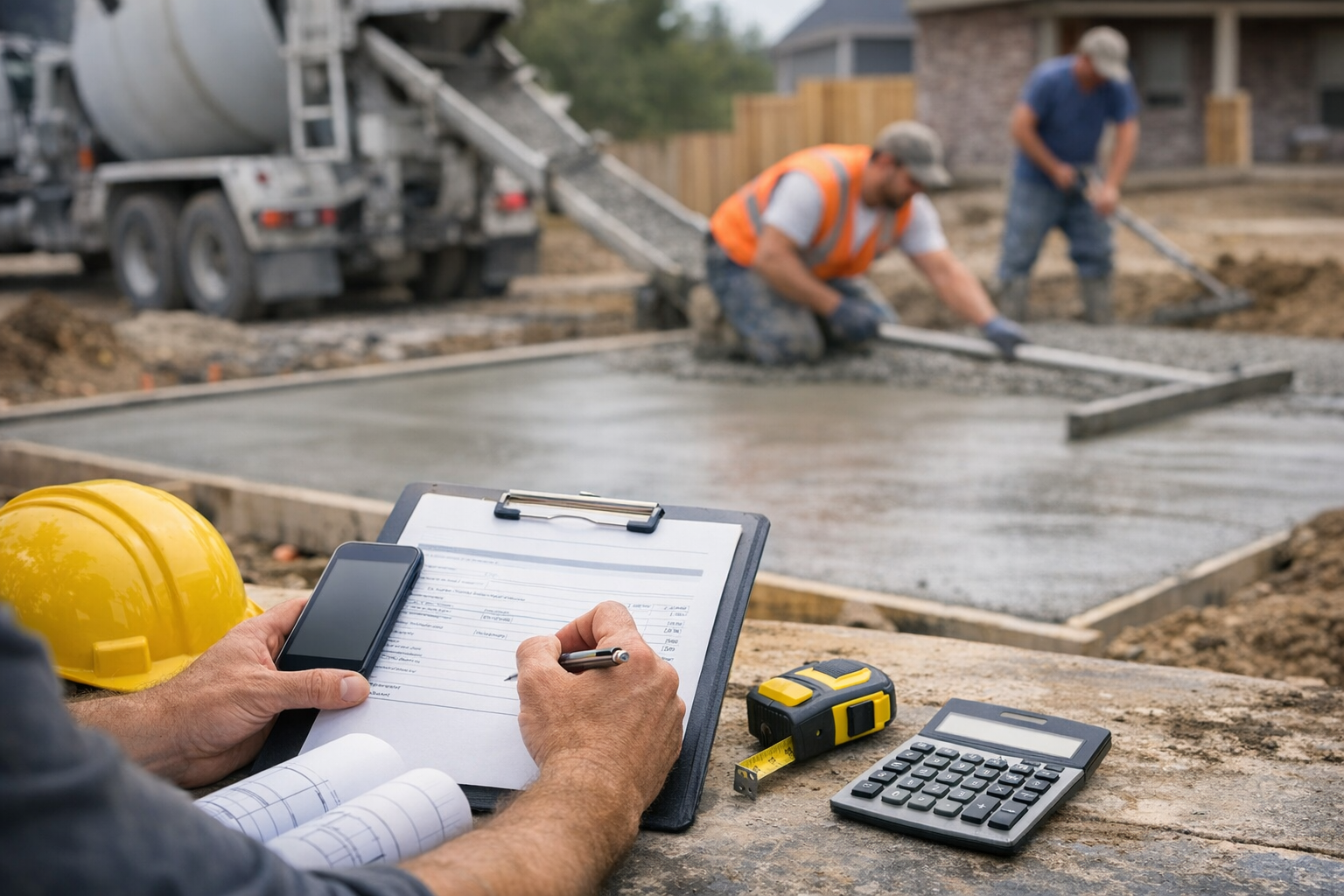
Because every concrete project is different, a free estimate is usually based on a site visit, project measurements, and a discussion of your goals. The contractor may also evaluate access to the job site, drainage conditions, grading needs, and the type of finish you want. This first step is valuable because it gives you a realistic starting point for planning and budgeting.
Why a Free Estimate Matters
Concrete work is a significant investment, and costs can vary widely depending on the size and complexity of the project. A free estimate gives you a chance to compare pricing, ask questions, and understand what is included in the scope of work. It also helps you avoid surprises later by identifying potential issues early.
For many property owners, the estimate process is just as important as the final price. A contractor who offers a detailed free estimate is often showing professionalism, transparency, and a willingness to earn your trust. That can make a big difference when choosing who to hire.
What Should Be Included in a Concrete Estimate?
A thorough concrete estimate should clearly explain what you are paying for. At minimum, it should cover the basic components of the job and note any exclusions or optional upgrades. The more detailed the estimate, the easier it is to compare bids from different contractors.
Project Scope
The scope should describe the exact work being done, such as removing old concrete, pouring a new slab, installing forms, adding reinforcement, or applying a decorative finish. It should also include dimensions, thickness, and any slope or drainage requirements.
Materials and Labor
Concrete mix, rebar or mesh, gravel base, sealers, and finishing materials should be listed when possible. Labor costs should also be included so you can see how much of the quote is tied to installation versus materials.
Site Preparation
Many projects require grading, excavation, demolition, or hauling away debris. If the site needs extra prep work, that should be noted in the estimate so you understand how it affects the total price.
Timeline and Payment Terms
A good estimate may include an expected start date, project duration, and payment schedule. Even if exact dates are not possible, the contractor should provide a general timeline so you know what to expect.
How Contractors Calculate a Concrete Free Estimate
Contractors usually base their estimates on several key factors. The most obvious is square footage, but it is far from the only consideration. Thickness of the slab, type of finish, reinforcement, local labor rates, and access to the site can all influence the final quote.
For example, a basic broom-finished patio on a level site may cost less than a stamped concrete driveway that requires demolition, excavation, and drainage correction. Likewise, smaller jobs may have higher per-square-foot pricing because fixed costs such as mobilization and equipment still apply.
Weather, permit requirements, and regional material prices can also affect the estimate. That is why two projects that look similar on paper may end up with very different bids. A reliable contractor will explain these differences clearly.
Questions to Ask During Your Estimate
When you receive a concrete free estimate, it is a good idea to ask a few important questions. This helps you understand the contractor’s experience and avoid misunderstandings later.
- What exactly is included in the quote?
- Are removal and cleanup part of the price?
- What type of concrete mix will be used?
- Will reinforcement be included?
- How long will the project take?
- Are permits needed, and who handles them?
- What warranty or guarantee do you offer?
These questions can reveal whether the estimate is truly comprehensive or just a rough number. A contractor who answers clearly and confidently is more likely to deliver a smooth experience.
How to Compare Multiple Concrete Estimates
It is smart to get more than one estimate before hiring a contractor. However, the lowest price is not always the best choice. Instead of focusing only on cost, compare the level of detail, the materials included, the contractor’s reputation, and the overall value.
Look for consistency in scope. If one estimate is much lower than the others, it may be missing important items such as site prep, reinforcement, or cleanup. On the other hand, a higher estimate may be justified by better materials, stronger workmanship, or more extensive preparation.
Reading reviews, checking references, and reviewing previous projects can also help you make a more informed decision. A good concrete contractor should be transparent about pricing and willing to explain any differences between bids.
Common Mistakes to Avoid
One common mistake is accepting a vague estimate without asking for clarification. If a quote is not specific, you may face unexpected charges later. Another mistake is choosing a contractor solely because they offer the cheapest price, especially if they have limited experience or poor communication.
It is also wise to avoid making decisions based on phone estimates alone for larger projects. In-person evaluations usually lead to more accurate pricing because the contractor can see the actual site conditions. Finally, make sure you understand whether the estimate is truly free and whether it expires after a certain period.
Benefits of Requesting a Free Concrete Estimate
Requesting a free estimate gives you a chance to plan with confidence. It can help you budget properly, compare contractors, and make informed choices about design and materials. It also gives you a feel for how the contractor communicates and whether they are attentive to your needs.
For bigger projects, an estimate can be the first step in deciding whether to proceed now or later. It may also help you identify ways to save money, such as simplifying the finish, adjusting the size, or phasing the work. In that sense, a free estimate is not just about price; it is about making a better project decision.
Conclusion
A concrete free estimate is one of the easiest ways to start your project with clarity and confidence. It helps you understand costs, compare contractors, and avoid unpleasant surprises. By asking the right questions and reviewing each quote carefully, you can choose a contractor who offers both fair pricing and quality workmanship.