Homeowners and Concrete: Why It Matters
Concrete is one of the most useful materials in any home. From driveways and patios to sidewalks, foundations, and garage floors, it plays a major role in how a property looks, functions, and holds up over time. For homeowners, understanding the basics of concrete can help you make better decisions, avoid costly mistakes, and protect your investment.
Whether you are planning a new project or maintaining an existing surface, the right concrete choices can improve curb appeal, increase durability, and reduce long-term repair needs. The key is knowing what affects quality, what to expect from the installation process, and how to care for concrete once it is in place.
Common Concrete Projects for Homeowners
Driveways and Walkways
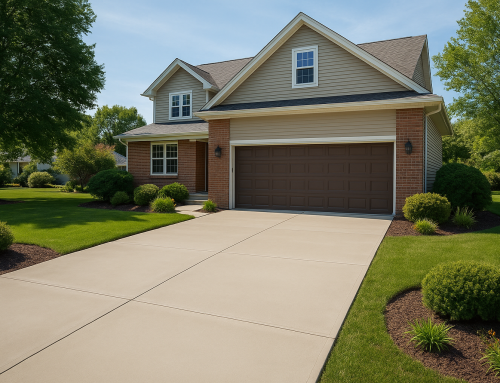
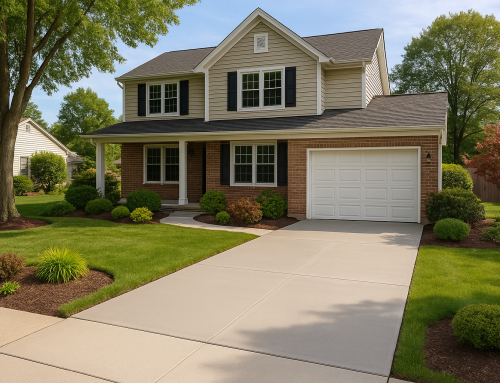
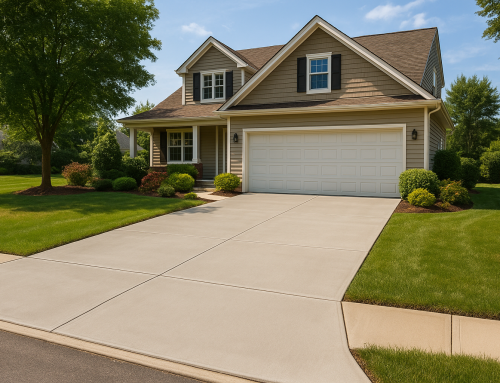
Driveways and walkways are among the most common concrete projects for homeowners. These surfaces need to handle daily foot traffic, vehicle weight, weather changes, and occasional salt or chemical exposure. A well-installed driveway can last for decades, while a poorly prepared one may crack or settle much sooner.
For walkways, smooth finishing and proper slope are important for safety and drainage. Concrete can also be customized with broom finishes, borders, or decorative patterns to make these areas more attractive.
Patios and Outdoor Living Spaces
Concrete patios offer a strong, low-maintenance foundation for outdoor living. They can be plain and practical or styled with stamped textures, stains, or colored finishes. Homeowners often choose concrete patios because they provide a clean surface for furniture, grills, planters, and entertainment areas.
Unlike wood decks, concrete does not require regular staining or sealing to maintain structural integrity, though some finishes do benefit from periodic care. With the right design, a concrete patio can become one of the most versatile features of a home.
Foundations, Garage Floors, and More
Some of the most important concrete work is hidden below the surface. Home foundations must be strong, level, and properly reinforced to support the structure above. Garage floors also need durable concrete that resists cracking, moisture, and the wear caused by vehicles and tools.
Other homeowner projects may include steps, retaining walls, pool decks, and shed slabs. Each of these applications has unique requirements, so it is important to work with a contractor who understands the specific demands of the job.
What Makes Good Concrete Work?
Proper Preparation
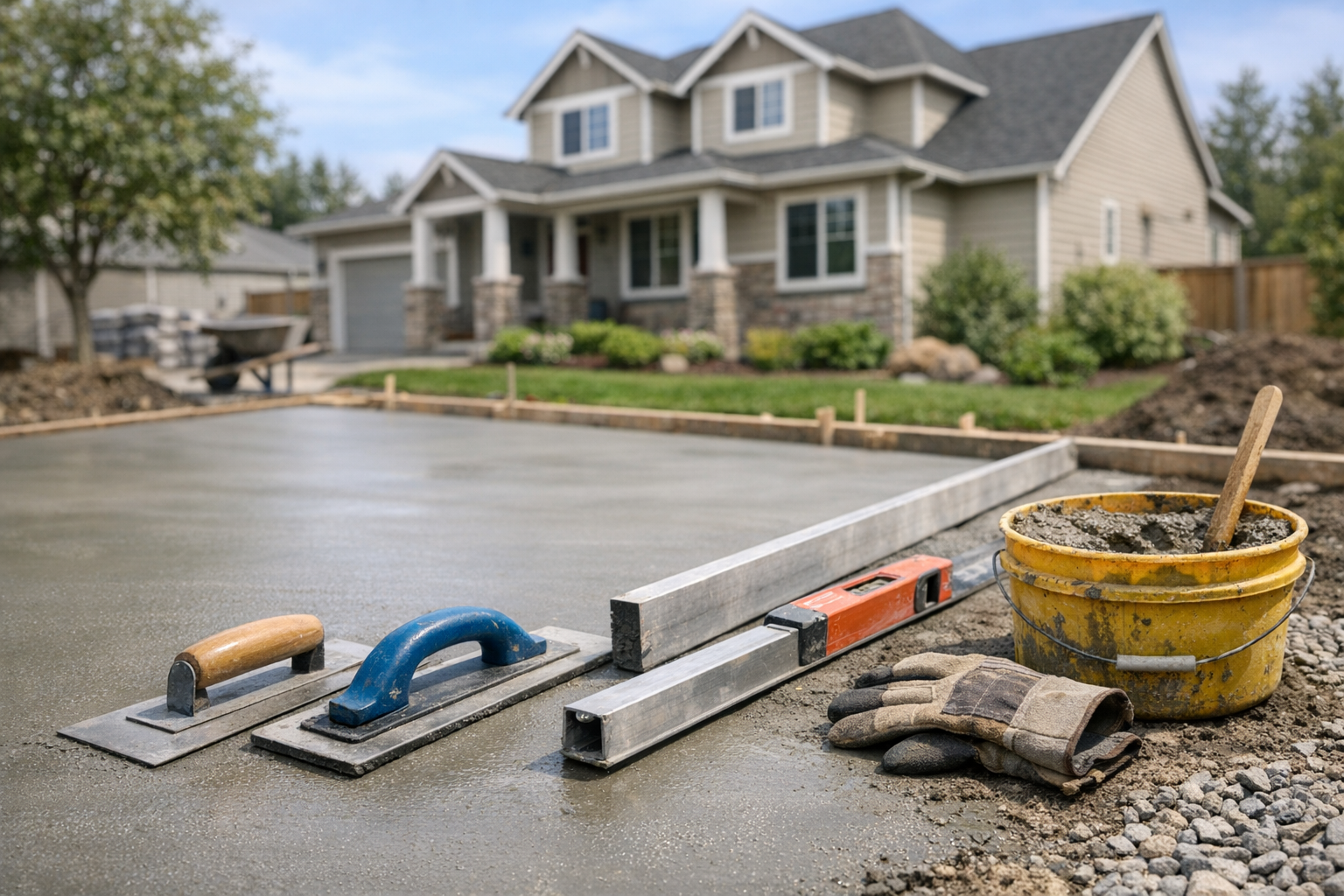
Good concrete work starts long before the material is poured. The ground must be graded, compacted, and prepared to support the load. If the base is unstable, the concrete may shift or crack later. Drainage is also critical. Water should move away from the slab instead of pooling around it.
Preparation also includes planning thickness, reinforcement, control joints, and finish type. These details help the concrete perform well under local conditions and daily use.
The Right Mix and Reinforcement
The mix design affects the strength, workability, and lifespan of concrete. A professional contractor will choose a mix suited to the project, climate, and expected use. Too much water can weaken the final surface, while the right balance helps create durable results.
Reinforcement such as rebar or wire mesh may be used to improve strength and help control cracking. While concrete naturally develops small cracks over time, reinforcement can reduce the severity and keep the slab performing better for longer.
Finish and Curing
The finish affects both appearance and function. A broom finish provides traction for walkways and driveways, while smoother or decorative finishes may suit patios and indoor spaces. Timing matters during finishing, since working the surface too early or too late can lead to flaws.
Curing is just as important as pouring. Concrete gains strength over time, and keeping it properly moist during the early days helps it harden correctly. Rushing this step can lead to a weaker surface and more surface damage later on.
How Homeowners Can Protect Concrete Surfaces
Seal When Needed
Sealing concrete can help protect it from moisture, stains, deicing salts, and everyday wear. Not every concrete surface needs the same type of sealer, but in many cases, sealing is a smart way to extend the life of the slab. This is especially useful for decorative concrete, driveways, and areas exposed to harsh weather.
Keep It Clean
Regular cleaning goes a long way in preserving concrete. Sweeping away dirt and debris prevents abrasion, while occasional washing removes buildup that can stain or discolor the surface. Spills should be cleaned quickly, especially oil, fertilizer, and other substances that can soak into porous concrete.
Watch for Small Problems Early
Small cracks, spalling, uneven spots, and drainage issues should not be ignored. Early repairs are usually simpler and less expensive than major restoration. If you notice a change in the surface, such as water pooling, sinking edges, or widening cracks, it may be time to consult a concrete professional.
When to Repair and When to Replace
Not every damaged concrete surface needs full replacement. Minor cracks and surface wear can often be repaired with patching, resurfacing, or sealing. However, if the slab has major settling, widespread cracking, or structural failure, replacement may be the better long-term choice.
Homeowners should consider the age of the concrete, the extent of the damage, and whether the underlying problem has been addressed. Repairing visible damage without fixing the cause may only lead to repeated issues. A trusted contractor can help evaluate the condition and recommend the most cost-effective solution.
Choosing the Right Contractor
Hiring the right concrete contractor is one of the most important steps in any home project. Look for experience with the specific type of work you need, whether it is a driveway, patio, foundation, or decorative slab. Ask about references, licensing, insurance, project timelines, and warranty options.
A quality contractor should explain the process clearly, provide a detailed estimate, and answer questions about materials, finishes, and maintenance. Good communication before the project begins often leads to better results after the concrete is poured.
Conclusion
Concrete is a major part of many homes, and when it is done well, it offers strength, value, and lasting performance. By understanding the basics of installation, maintenance, and repair, homeowners can make smarter decisions and get more from every concrete project. Whether you are improving curb appeal or protecting your foundation, taking the time to plan ahead can make all the difference.