Best for Concrete: What It Really Means
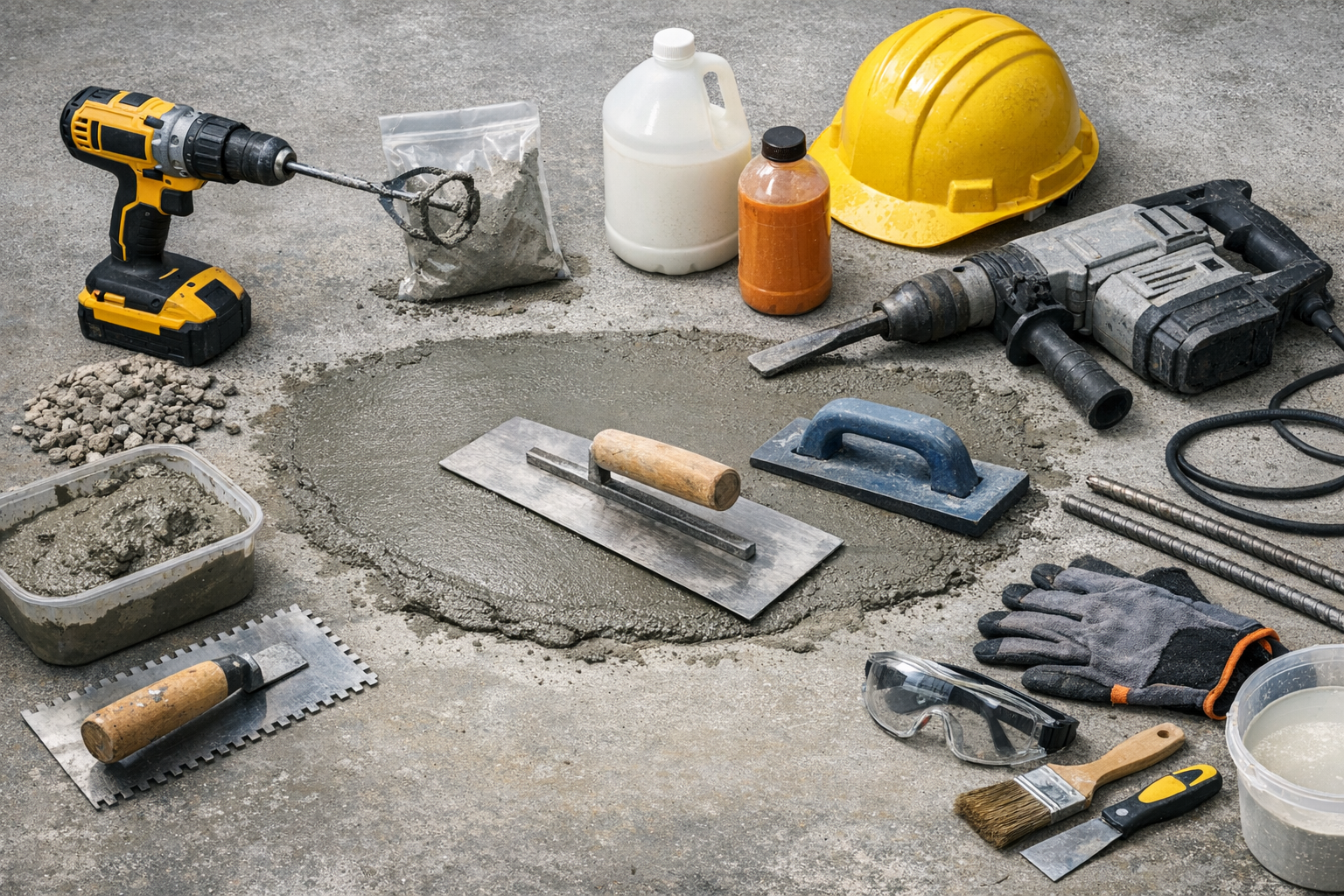
When people search for the best for concrete, they’re usually trying to solve a specific problem: making concrete stronger, longer-lasting, easier to maintain, or better looking. The right choice depends on the job. Fresh concrete needs the right mix and reinforcement. Existing concrete may need a sealer, patch, stain, or overlay. Exterior concrete often needs protection from weather and de-icing salts, while interior floors may need polish, stain, or a decorative finish.
The best option for concrete is not always the most expensive one. It is the one that matches your surface condition, traffic level, climate, and budget. In this guide, we’ll look at the products and methods that usually perform best for concrete in common situations.
Best for Concrete Mix Quality
If you are starting from scratch, the best results begin with the mix itself. A strong, workable mix is the foundation of durable concrete. For most projects, a well-balanced mix with the right water-to-cement ratio is key. Too much water makes concrete easier to place, but it weakens the finished slab and increases cracking.
For general residential work, many contractors prefer a mix designed for the specific application, such as sidewalks, driveways, patios, or foundations. Air-entrained concrete is often best for concrete exposed to freezing and thawing, because it helps reduce damage from expansion and contraction. If the project needs extra strength, fiber-reinforced concrete or steel reinforcement may be the better choice.
In short, the best mix is one that is engineered for the conditions it will face, not just one that is convenient to pour.
Best for Concrete Repair
Cracks, chips, and surface spalling are common, but the best repair method depends on the type of damage. Hairline cracks often need a flexible concrete crack filler or sealant. Wider cracks may require a repair mortar, epoxy, or polyurethane product. If the damage is structural, professional evaluation is important before any patching begins.
For surface repairs, the best products for concrete are usually those that bond well to old surfaces and cure hard enough to handle wear. Polymer-modified patching compounds are often a smart choice because they resist shrinking and adhere better than basic mixes. Before applying any repair material, the surface should be cleaned thoroughly and any loose debris removed.
When repair is done correctly, it can extend the life of the slab and improve appearance without a full replacement.
Best for Concrete Sealing
Sealing concrete is one of the best ways to protect it from stains, moisture, and surface wear. The best sealer for concrete depends on where the slab is located and how it is used.
Penetrating Sealers
Penetrating sealers are often best for concrete outdoors because they soak into the surface and help repel water without changing the appearance very much. They are a strong option for driveways, sidewalks, and garage floors. Silane, siloxane, and silicate sealers are commonly used for long-term protection.
Film-Forming Sealers
Film-forming sealers create a visible layer on top of the concrete. These can enhance color and add shine, making them popular for decorative patios and interior floors. Acrylic and polyurethane sealers are often used for this purpose. They provide good protection, but they may need reapplication sooner than penetrating products in high-traffic areas.
If you want the best for concrete in a low-maintenance outdoor setting, a penetrating sealer is often the better pick. If appearance matters most, a film-forming sealer may be the right choice.
Best for Concrete Driveways and High-Traffic Areas
Driveways, garage floors, and commercial walkways need products that can handle repeated stress. The best for concrete in these areas usually includes reinforcement, a durable finish, and protection against chemicals, oil, and moisture.
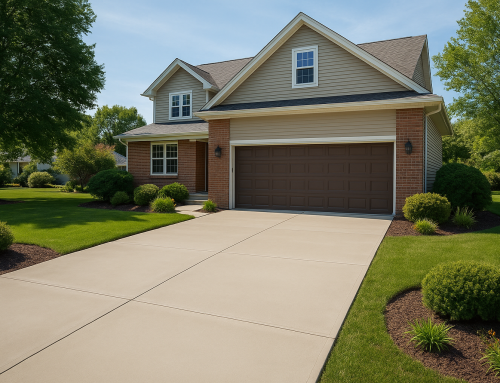
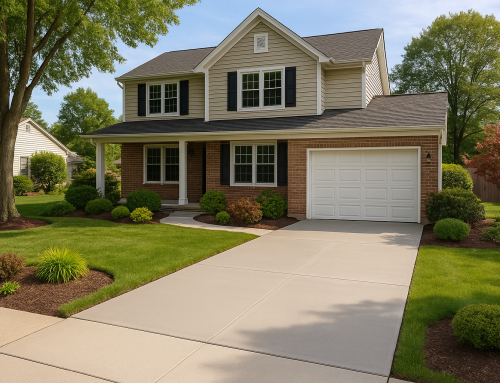
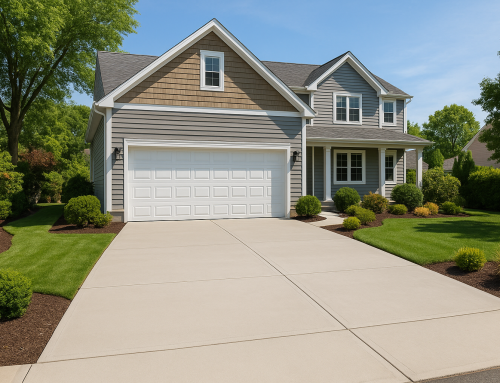
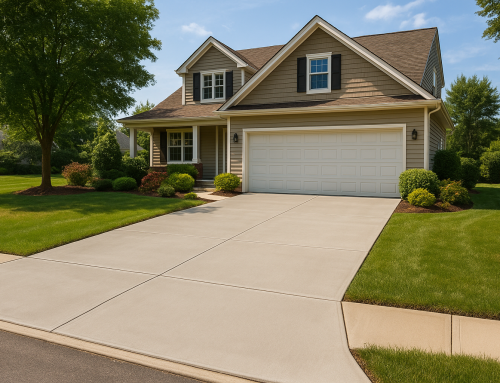
For new driveways, thicker slabs with proper base preparation perform best. For existing surfaces, a high-quality penetrating sealer helps prevent damage from water and freeze-thaw cycles. If the surface is already worn, a concrete resurfacer may be the best solution. Resurfacers can restore appearance and provide a fresh layer that stands up better to everyday use.
In garages, epoxy coatings are often considered among the best for concrete because they resist stains, improve cleaning, and offer a polished look. They work especially well when the slab is prepared properly and moisture issues are addressed first.
Best for Decorative Concrete
When appearance is a priority, the best products for concrete are those that add color, texture, and visual depth without sacrificing durability. Concrete stain, dye, stamping, and polishing are all popular options.
Acid stains and water-based stains are commonly used to create rich, attractive color variations. Dyes are often preferred for indoor polished floors because they provide vibrant tones. Stamped concrete is a great choice for patios and walkways when you want the look of stone, brick, or tile at a lower cost. Polished concrete is another excellent option, especially for modern interiors, because it is durable, easy to clean, and visually appealing.
The best decorative choice depends on whether you want a subtle finish, bold color, or a textured surface. A good decorative treatment should also include a sealer to protect the result over time.
Best for Concrete Maintenance
Even the best concrete needs regular care. Maintenance is one of the simplest ways to extend surface life and prevent costly repairs. Sweeping away grit, washing stains promptly, and resealing as needed can make a big difference.
For outdoor concrete, removing leaves, dirt, and standing water helps prevent discoloration and surface damage. In winter, using de-icing products carefully is important because some chemicals can be harsh on concrete. For interior slabs, using mats in entryways and avoiding abrasive cleaners can help preserve the finish.
If you want the best for concrete over the long term, a routine maintenance plan is just as important as the product you choose at the beginning.
How to Choose the Best Option for Your Project
Choosing the best for concrete starts with a few key questions:
- Is the concrete new or existing?
- Will it be indoors or outdoors?
- Does it need protection, repair, or decoration?
- How much traffic or weather exposure will it face?
- Do you want a natural look or a decorative finish?
For example, a new driveway may benefit most from a strong mix, proper reinforcement, and a penetrating sealer. An old basement floor may need crack repair and an epoxy coating. A backyard patio may be best served by a stain and decorative sealer. Matching the solution to the condition of the slab is the smartest way to get lasting results.
Conclusion
The best for concrete depends on the task at hand. Whether you need a stronger mix, a reliable repair product, a protective sealer, or a decorative finish, the right choice is the one that fits your surface and your goals. With the right materials and proper care, concrete can stay durable, attractive, and functional for years.