
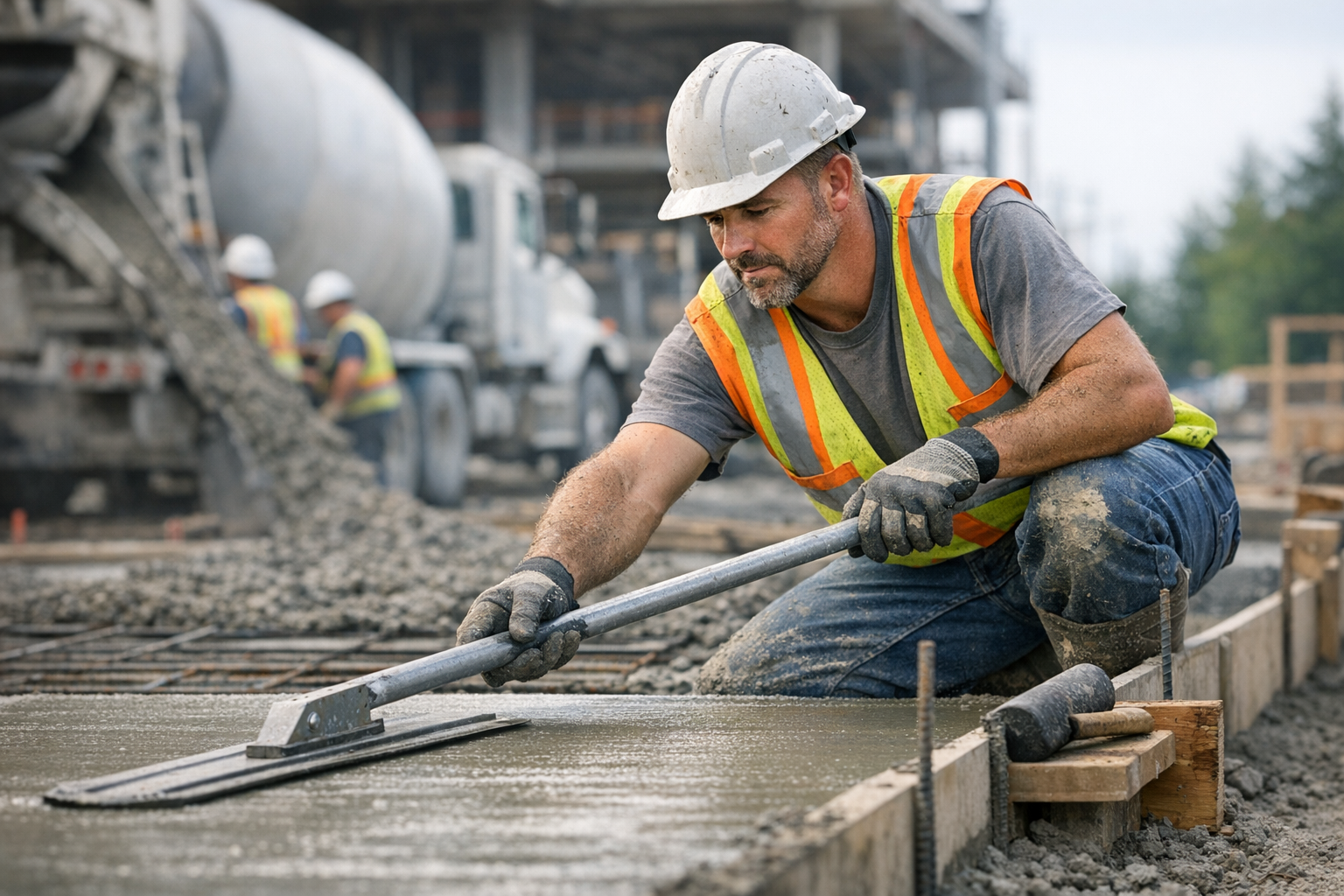
Concrete is one of the most widely used building materials in the world, but the quality of a finished surface depends heavily on the skill of the person installing it. A concrete tradesman brings technical knowledge, practical experience, and attention to detail to every stage of the job, from preparing the site to finishing and curing the slab. Whether the project is a driveway, patio, foundation, footpath, or commercial floor, a skilled tradesman helps ensure the result is strong, level, and built to last.
What Is a Concrete Tradesman?
A concrete tradesman is a skilled construction professional who works with concrete in its many forms. Their role often includes measuring, preparing, pouring, shaping, finishing, and repairing concrete structures and surfaces. Unlike general labourers, a concrete tradesman typically has hands-on training and practical knowledge of how concrete behaves in different conditions.
Concrete tradesmen may work on residential, commercial, or industrial projects. They often collaborate with builders, engineers, and site supervisors to make sure the work meets design specifications and safety standards. Their expertise is especially important because concrete is unforgiving once it begins to set; mistakes can be costly and difficult to correct.
Key Responsibilities of a Concrete Tradesman
The job can vary depending on the project, but most concrete tradesmen handle several core responsibilities. These tasks require both physical skill and an understanding of materials and timing.
Site Preparation
Before any concrete is poured, the site must be prepared properly. This may include clearing debris, setting up formwork, compacting the base, and ensuring drainage is correct. Good preparation is essential because the finished concrete will only be as stable as the ground beneath it.
Mixing and Pouring Concrete
Concrete tradesmen must understand the correct mix ratios, consistency, and working time for a project. They may mix concrete on-site or coordinate with ready-mix suppliers. Once the concrete arrives, it needs to be placed efficiently to avoid cold joints, uneven distribution, or premature setting.
Levelling and Finishing
After pouring, the surface is levelled and finished to the required standard. This may involve screeding, trowelling, edging, and texturing. A tradesman must know how to create a finish that is both functional and visually appealing. For example, a driveway may need a durable, slip-resistant finish, while a decorative patio may require a smoother, more polished look.
Curing and Quality Control
Proper curing is critical for concrete strength and longevity. A concrete tradesman monitors curing conditions and may use methods such as water curing, plastic sheeting, or curing compounds. They also inspect the work for cracks, honeycombing, or surface defects and make sure the final product meets expected standards.
Skills Every Concrete Tradesman Needs
Concrete work requires a mix of technical knowledge, physical ability, and problem-solving skills. A successful tradesman develops these abilities over time through training and experience.
Attention to Detail
Even small mistakes in formwork, levels, or finishing can affect the final outcome. Accurate measurement and careful workmanship are essential in concrete trades, especially on projects where appearance and structural performance both matter.
Understanding of Materials
Concrete tradesmen need to understand different concrete mixes, additives, reinforcement methods, and curing techniques. Weather conditions, site access, and project requirements all influence how concrete should be handled.
Physical Strength and Stamina
The work often involves lifting, bending, standing for long periods, and working outdoors in varying conditions. Good physical fitness helps a tradesman maintain productivity and safety on the job.
Problem-Solving Ability
Construction sites rarely go exactly to plan. A tradesman may need to adjust for uneven ground, unexpected weather, delivery delays, or design changes. Being able to think quickly and find practical solutions is a valuable part of the role.
Types of Projects a Concrete Tradesman Handles
Concrete tradesmen are involved in a wide range of construction projects. Some of the most common include:
- Driveways and paths: Durable surfaces designed for daily traffic and weather exposure.
- House slabs: Structural foundations that support residential buildings.
- Patios and outdoor areas: Decorative or functional spaces for homes and businesses.
- Retaining walls: Concrete structures that help manage soil and landscaping levels.
- Commercial floors: Large-scale slabs for warehouses, factories, and retail spaces.
- Repairs and resurfacing: Fixing damaged concrete or restoring worn surfaces.
Each of these projects comes with different technical demands. For instance, a driveway may focus on durability and drainage, while a commercial floor may need precise flatness and reinforcement.
Why Hiring a Skilled Concrete Tradesman Matters
Choosing an experienced concrete tradesman can make a major difference in both the appearance and performance of a project. Poorly installed concrete may crack early, drain incorrectly, or create safety hazards. In contrast, quality workmanship helps extend the lifespan of the surface and reduce maintenance costs over time.
A skilled tradesman also understands how to coordinate with other trades and keep work on schedule. They can help avoid costly rework by getting the details right the first time. For property owners, this means better value, fewer headaches, and a result that stands up to everyday use.
How to Choose the Right Concrete Tradesman
Finding the right professional starts with checking experience, reputation, and the type of work they specialise in. Not every concrete tradesman focuses on the same kind of projects, so it helps to look for someone with relevant experience for your job.
Ask to see photos of past work, request references, and confirm that they understand your project requirements. A reliable tradesman should be able to explain the process clearly, provide a realistic timeline, and discuss surface options, reinforcement, and curing methods. It is also wise to ensure they follow local building standards and safety practices.
The Value of Good Concrete Work
Concrete may look simple once it is in place, but producing a strong and attractive finish takes skill. A concrete tradesman combines planning, craftsmanship, and technical know-how to deliver work that performs well for years. Their role is an important part of quality construction, helping create the foundations, surfaces, and structures that people rely on every day.
Conclusion
A concrete tradesman does far more than pour cement. They prepare, shape, finish, and protect concrete so it can support homes, businesses, and infrastructure for the long term. If you want a project that is built properly and made to last, working with a skilled concrete tradesman is one of the smartest decisions you can make.