What Is Done Concrete?
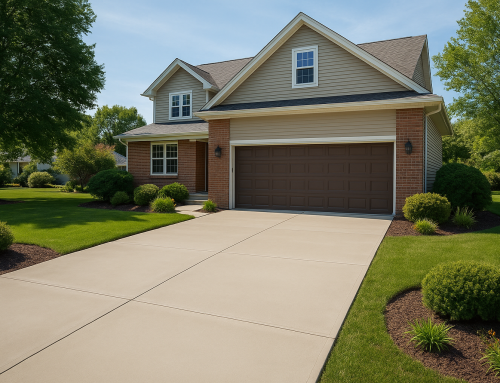
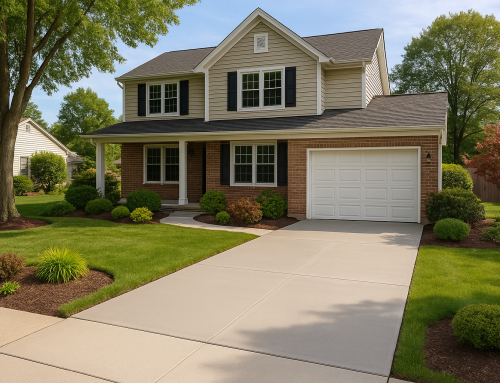
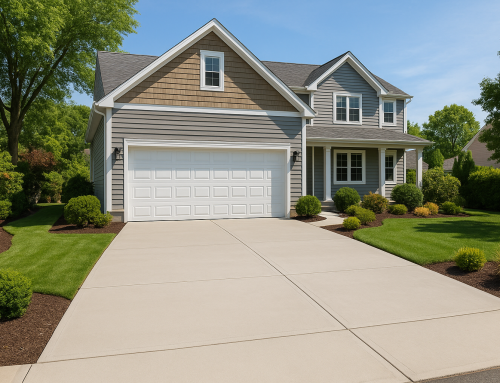
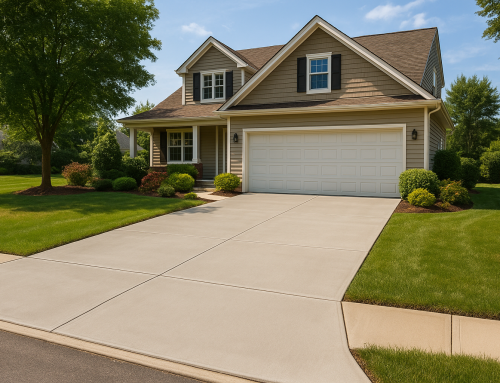
Done concrete refers to concrete that has been fully placed, finished, and cured to the point where it is ready for use. In everyday conversation, the phrase is often used to describe a completed concrete surface, whether that means a driveway, patio, slab, walkway, or foundation. The term can also imply that the concrete work has been completed to a professional standard, with the surface leveled, smoothed, and properly hardened.
Concrete is one of the most widely used construction materials because it is durable, versatile, and relatively cost-effective. When people talk about done concrete, they are usually focused on the final result: a surface that is strong, functional, and built to last. That final quality depends on every step of the process, from mixing and pouring to finishing and curing.
Why Done Concrete Matters
A concrete project is only as good as its finished product. A slab that looks fine on day one can still fail later if the work was rushed or the curing process was ignored. Done concrete matters because it affects the appearance, strength, safety, and lifespan of the structure.
Properly completed concrete helps prevent common problems such as cracking, uneven settling, scaling, and surface dusting. It also improves resistance to moisture, wear, and weather exposure. Whether the project is decorative or structural, the quality of the finished concrete determines how well it performs over time.
Durability and Strength
One of the biggest advantages of done concrete is its durability. When mixed and cured correctly, concrete can withstand heavy loads, foot traffic, and changing weather conditions. This makes it a smart choice for driveways, foundations, garages, sidewalks, and industrial floors.
Strength depends on several factors, including the mix design, reinforcement, thickness, and curing conditions. A well-finished slab is far less likely to develop premature cracks or surface deterioration.
Appearance and Finish
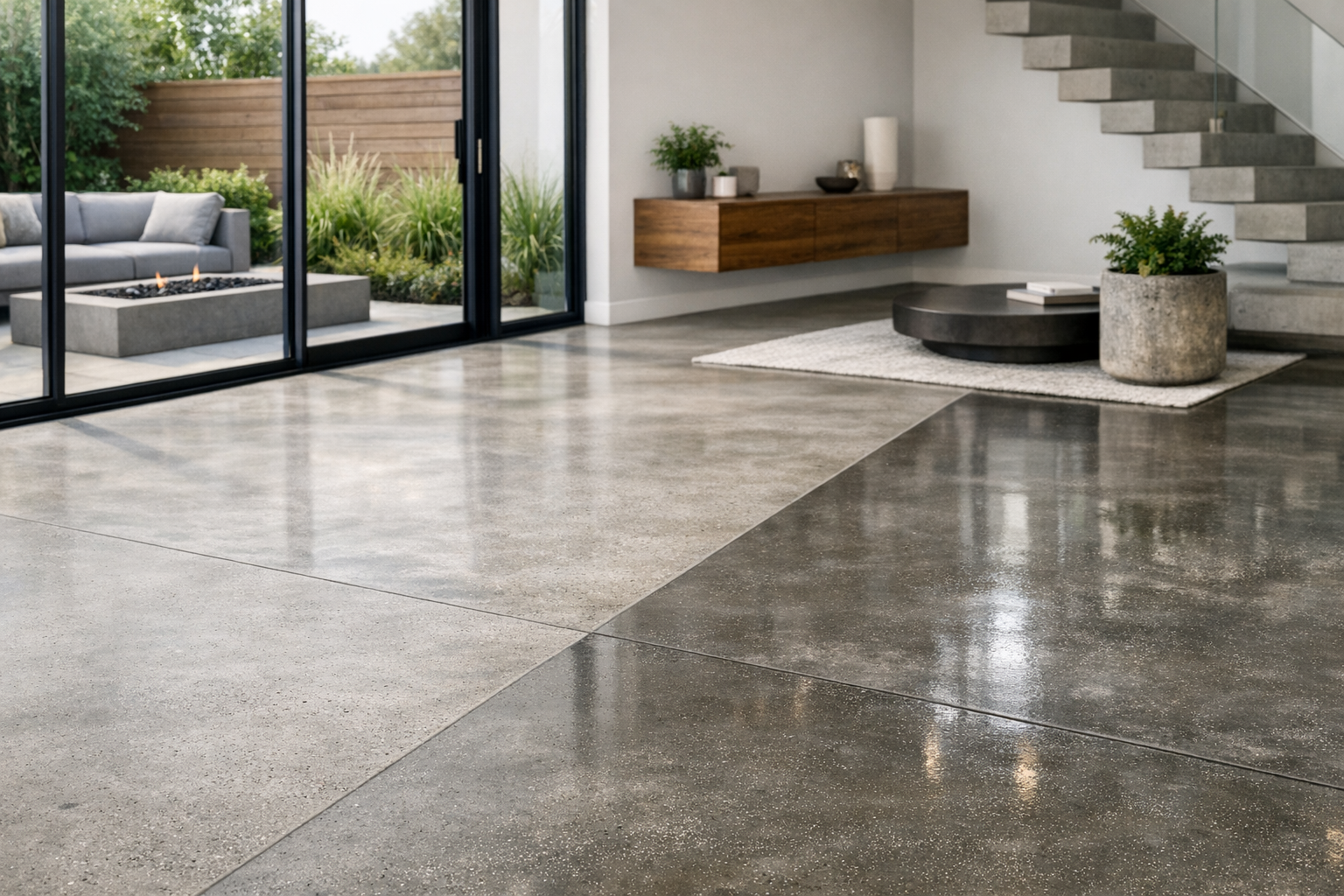
Done concrete is not just about structural performance. The final finish also affects the look of the space. Some projects call for a basic broom finish for traction, while others may require a smooth trowel finish, exposed aggregate, stained surface, or stamped decorative design.
The right finish can enhance curb appeal and make a space feel more polished and complete. For residential projects, the appearance of the concrete can have a significant impact on the overall property value.
Common Types of Done Concrete Finishes
There are many ways to finish concrete, and the best choice depends on the intended use of the surface. Here are some of the most common options.
Broom Finish
A broom finish is one of the most practical choices for outdoor surfaces. After the concrete is smoothed, a broom is dragged lightly across the surface to create texture. This improves traction and helps reduce slipping when the surface is wet. It is commonly used for sidewalks, driveways, porches, and pool decks.
Smooth Trowel Finish
A smooth trowel finish creates a clean, polished look. It is often used for interior slabs, garage floors, and decorative applications. While visually appealing, it may be slippery when wet unless additional treatment is added.
Stamped Concrete
Stamped concrete is designed to mimic the look of stone, brick, slate, or tile. It is a popular choice for patios, walkways, and outdoor entertaining areas. This finish adds visual interest while retaining the strength and affordability of concrete.
Exposed Aggregate
With exposed aggregate, the top layer of cement paste is removed to reveal the stones or decorative aggregate beneath. The result is a textured, attractive finish that is both durable and slip-resistant.
How Concrete Is Properly Finished
Achieving truly done concrete requires more than simply pouring a slab and waiting for it to harden. The process involves several important steps that influence the final outcome.
Preparation
Before the pour begins, the site must be properly prepared. This includes excavating the area, compacting the base, setting forms, and installing reinforcement if needed. Good preparation helps support the slab and reduces the risk of shifting or cracking later.
Pouring and Leveling
Once the concrete is mixed and delivered, it must be placed evenly and leveled quickly. Workers use tools such as screeds, floats, and edgers to shape the slab and remove excess material. Timing matters because concrete begins to set soon after it is poured.
Finishing
After the surface has been leveled, the desired finish is applied. This stage may include troweling, brooming, stamping, or adding texture. The key is to finish the surface at the right time, when the concrete has set enough to hold its shape but is still workable.
Curing
Curing is one of the most important parts of the process. Concrete gains strength gradually as it cures, and it needs moisture and stable conditions to do so properly. Rushing this step can lead to weaker concrete and more surface defects. In many cases, concrete should be kept moist or covered for several days after placement.
Tips for Choosing the Right Done Concrete Finish
Choosing the right finish depends on how the concrete will be used, how much maintenance you want, and the style you prefer. For high-traffic outdoor areas, traction should be a top priority. For decorative spaces, appearance may matter more.
Consider climate as well. In rainy or icy regions, textured surfaces can provide better safety. For interior spaces, a smoother finish may be more appropriate. It is also wise to think about long-term cleaning and sealing requirements, especially if the concrete will be exposed to stains or heavy use.
If you are hiring a contractor, ask for examples of past work and make sure they understand the specific finish you want. A skilled concrete professional can recommend the best approach based on the site, budget, and performance needs.
Conclusion
Done concrete is more than just a finished slab. It represents a complete process that combines proper preparation, careful placement, thoughtful finishing, and patient curing. When all of those steps are done well, the result is a surface that looks great, performs reliably, and lasts for years. Whether you are planning a driveway, patio, or foundation, understanding done concrete can help you make better decisions and get better results.