Concrete Laneway: A Practical, Durable Choice for Modern Properties
A well-built concrete laneway can dramatically improve the function, appearance, and value of a property. Whether it connects a home to a garage, provides access to a rear lot, or serves as a shared pathway between buildings, a concrete laneway offers a strong and long-lasting solution. Compared with gravel, asphalt, or pavers, concrete is often chosen for its durability, low maintenance, and clean finish.
In this article, we’ll explore what makes a concrete laneway a smart investment, the benefits it offers, design considerations, installation steps, maintenance tips, and common mistakes to avoid. If you’re planning a new laneway or replacing an old one, this guide will help you make informed decisions.
What Is a Concrete Laneway?
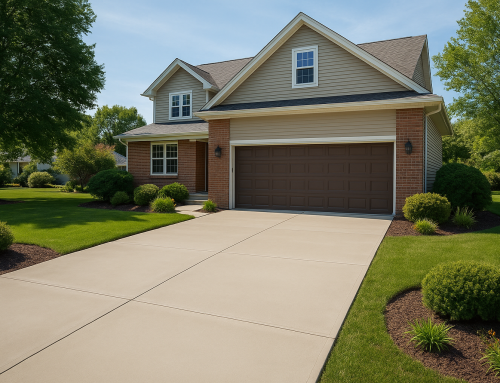
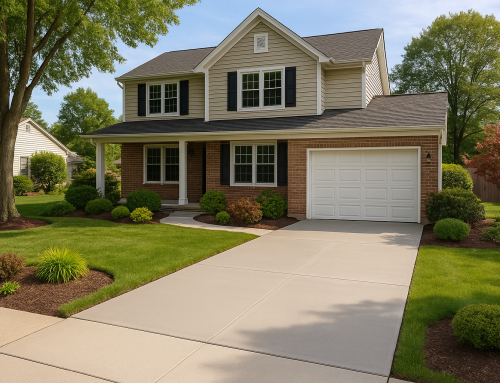
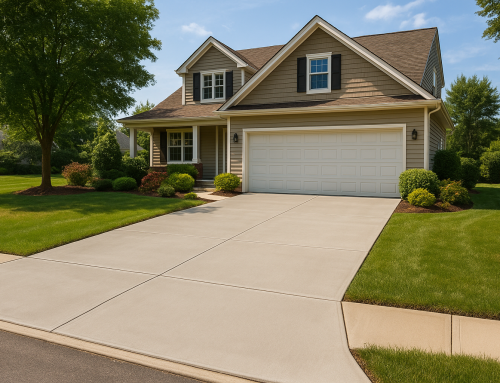
A concrete laneway is a paved access route made from poured concrete, typically used for vehicles, pedestrians, or both. It may run beside a house, behind a property, or between buildings to provide direct access to garages, parking spaces, loading areas, or service entrances. In residential settings, laneways are often narrow but need to handle regular traffic and changing weather conditions.
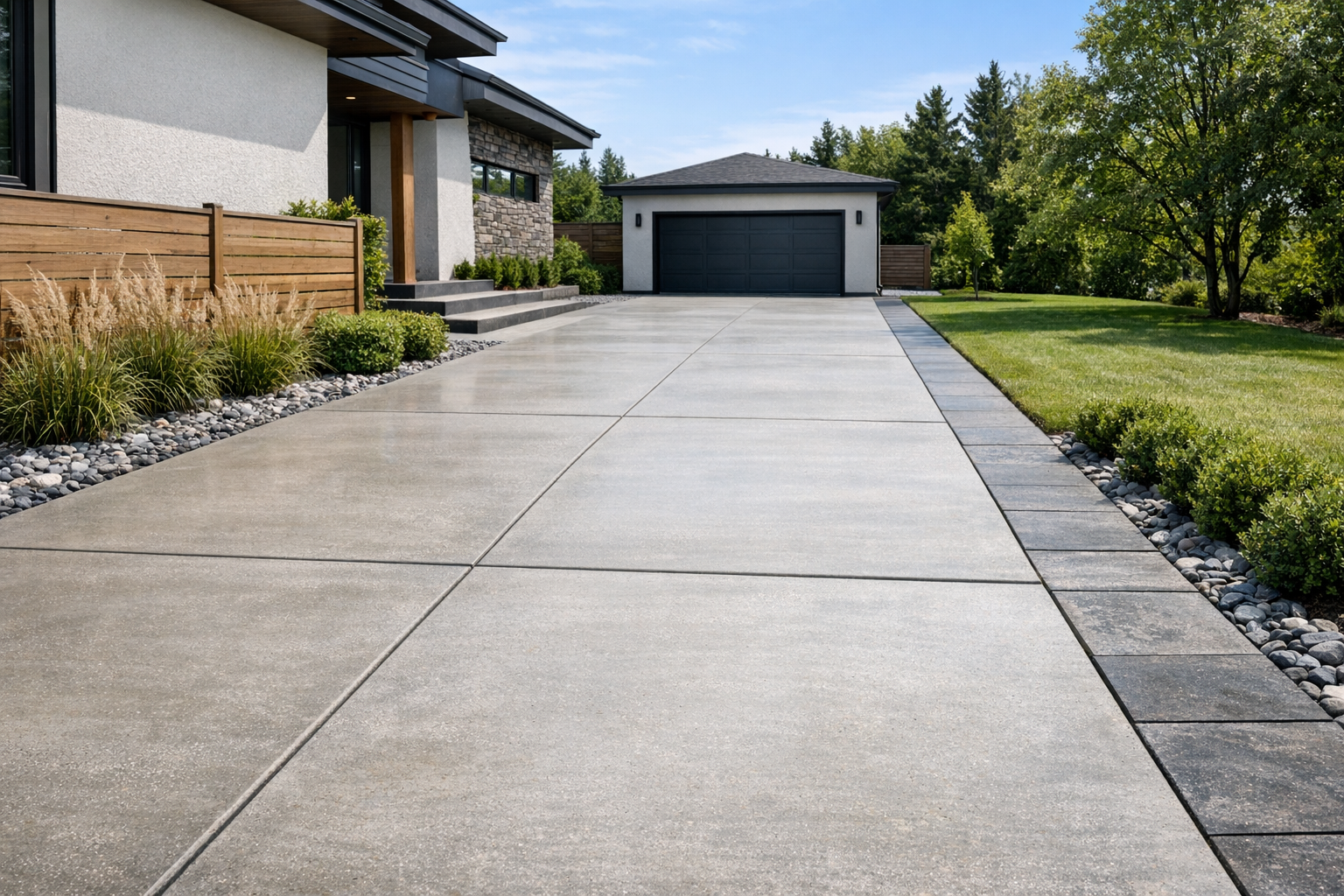
Because concrete can be shaped, finished, and reinforced in different ways, it works well for both simple and more decorative laneway designs. It can be smooth and functional, textured for traction, or enhanced with color and decorative cuts for a more polished look.
Benefits of a Concrete Laneway
1. Durability
One of the biggest advantages of a concrete laneway is strength. When installed correctly, concrete can handle heavy loads, frequent use, and harsh weather with less wear than many other materials. This makes it a reliable choice for drive-access areas that must perform year after year.
2. Low Maintenance
Concrete laneways generally require less ongoing maintenance than gravel or asphalt. There’s no loose material to replenish, and the surface doesn’t need frequent sealing or resurfacing. Basic cleaning, occasional sealing, and prompt crack repair are usually enough to keep it in good condition.
3. Clean Appearance
A concrete laneway gives a property a neat, organized look. Its light, uniform surface can improve curb appeal and create a sense of structure around the home or commercial space. For property owners who want a practical surface that still looks refined, concrete is a strong option.
4. Long-Term Value
While the upfront cost may be higher than some alternatives, concrete often provides better long-term value due to its lifespan and reduced maintenance needs. A properly installed laneway can last for decades, making it a sound investment for many property owners.
5. Versatility
Concrete can be customized in many ways. It can be poured in different widths, thicknesses, and finishes depending on traffic and design goals. It can also be colored, stamped, or exposed aggregate for a more decorative result.
Design Considerations for a Concrete Laneway
Before construction begins, it’s important to think through the laneway’s design. A concrete laneway should be built not only to look good, but also to function well for the property’s specific needs.
Width and Access
The laneway should be wide enough for its intended use. If it will carry vehicles, consider how cars will enter, exit, and turn. Tight spaces may require extra planning to avoid damage to edges or nearby landscaping.
Slope and Drainage
Proper drainage is essential. Water should move away from buildings and not pool on the surface. A laneway with poor slope can lead to puddling, staining, freezing hazards, and long-term deterioration. Careful grading helps protect the concrete and the surrounding property.
Thickness and Reinforcement
Not all concrete slabs are built the same. A laneway designed for vehicle traffic should typically be thicker and may require reinforcement such as rebar or wire mesh. The right specifications depend on soil conditions, expected load, and local climate.
Finish and Texture
The final surface finish affects both appearance and safety. A broom finish is a common choice because it adds traction, especially in wet conditions. Decorative finishes may be suitable for visible laneways, but functionality should always come first.
The Installation Process
Installing a concrete laneway involves several important stages, and each one plays a role in how well the finished surface performs.
Site Preparation
The area must be cleared, measured, and excavated to the correct depth. A stable base is then created using compacted gravel or crushed stone. This foundation is critical because it supports the slab and reduces the risk of cracking or shifting.
Formwork and Reinforcement
Forms are set up to define the shape and edges of the laneway. Reinforcement may then be placed inside the prepared area. This helps improve strength and control cracking over time.
Pouring and Finishing
The concrete is poured into the forms, spread evenly, and leveled. Workers then finish the surface according to the desired texture. Control joints are added to help manage natural movement as the concrete cures and responds to temperature changes.
Curing
Curing is one of the most important steps in the process. Concrete needs time to harden properly, and rushing this stage can weaken the final result. During curing, the slab should be protected from heavy traffic and extreme weather as recommended by the installer.
Maintenance Tips for a Concrete Laneway
Although concrete is low maintenance, a few simple habits can extend its life and keep it looking its best.
Start by cleaning the surface regularly to remove dirt, leaves, and stains. Oil, fuel, and chemical spills should be cleaned quickly to reduce discoloration. Sealing the laneway every few years can also help protect it from moisture, stains, and surface wear.
It’s also wise to inspect the surface periodically for cracks or edge damage. Small issues can often be repaired early before they become larger and more costly. In colder climates, using de-icing products carefully can help prevent surface damage caused by freeze-thaw cycles.
Common Mistakes to Avoid
Several common mistakes can shorten the lifespan of a concrete laneway. Poor base preparation is one of the most serious, since an unstable foundation often leads to settlement and cracking. Inadequate drainage is another major problem, as standing water weakens the surface over time.
Using the wrong concrete thickness for the intended load can also cause premature failure. Likewise, skipping control joints or curing too quickly can lead to avoidable damage. Working with experienced professionals helps reduce these risks and ensures the laneway is built to last.
Is a Concrete Laneway Right for Your Property?
A concrete laneway is a great choice for property owners who want a durable, attractive, and low-maintenance access surface. It is especially well suited to areas that see regular vehicle traffic or need a dependable route between the street, garage, or rear lot. While it may require a higher initial investment than some alternatives, the long-term performance often makes it worthwhile.
If your property needs a surface that can stand up to heavy use while maintaining a clean look, concrete is worth serious consideration. With thoughtful planning, proper installation, and basic maintenance, a concrete laneway can serve you well for many years.
Conclusion
A concrete laneway combines strength, practicality, and visual appeal in one reliable surface. From design and installation to maintenance and repair, each step matters in creating a laneway that performs well over time. For homeowners and property managers alike, it remains one of the most dependable paving options available.