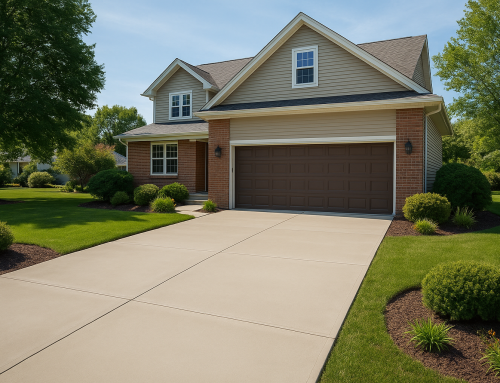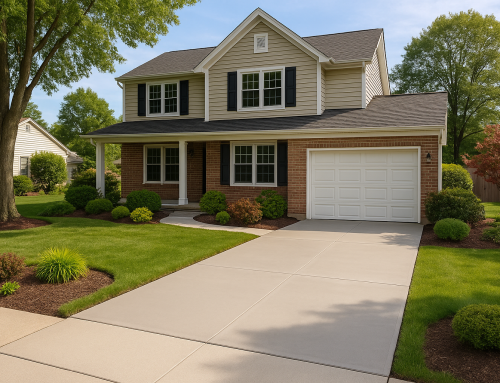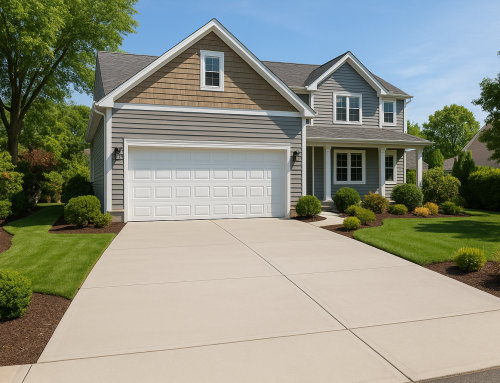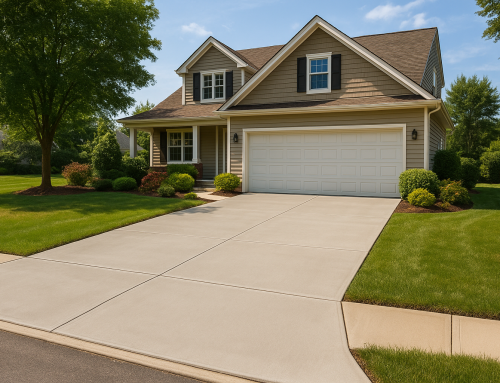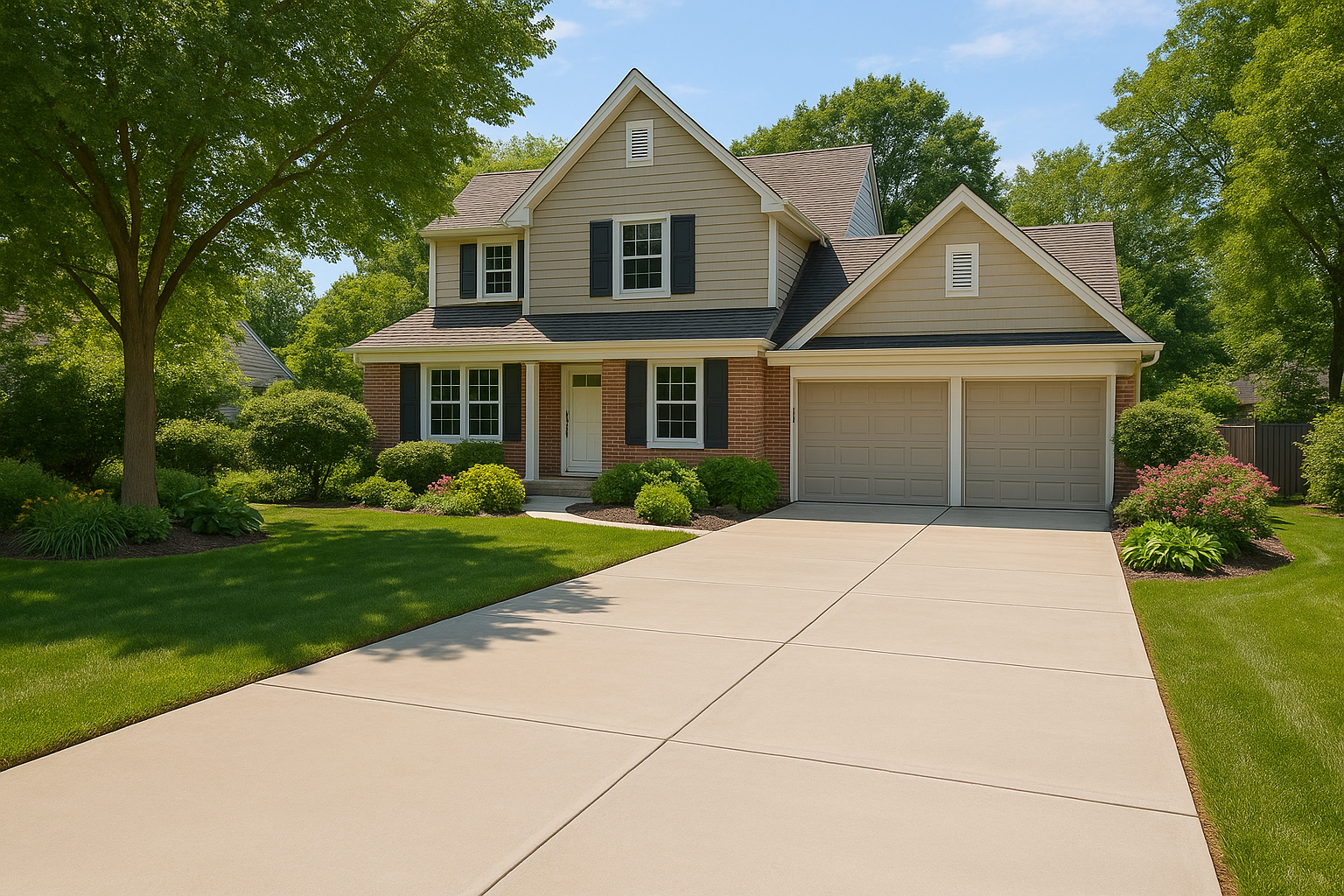
A driveway does more than provide a place to park. It creates the first impression of your home, connects the street to your front entrance, and needs to stand up to daily use and changing weather. Concrete is a versatile choice that can look far more inviting than a plain gray slab. With thoughtful design, decorative finishes, and regular care, a concrete driveway can be both practical and beautiful.
Why Choose a Concrete Driveway?
Concrete is valued for its strength, long service life, and design flexibility. A properly installed driveway can handle regular vehicle traffic while requiring relatively little routine maintenance. Unlike loose gravel, it provides a stable, even surface, and unlike some paving options, it does not need individual pieces reset as often.
Its appearance is flexible, too. Concrete can be tinted, textured, stamped, or arranged with decorative joints to complement many architectural styles. Whether your home is modern, traditional, or rustic, there are ways to make the driveway feel like a considered part of the landscape rather than an afterthought.
Popular Concrete Driveway Designs
Exposed Aggregate
Exposed aggregate reveals the small stones within the concrete surface, creating natural variation and a gently textured look. Homeowners can select different aggregate colors and sizes to coordinate with exterior finishes, garden stone, or nearby walkways. The texture can also provide useful traction, though it may feel less smooth underfoot than a troweled finish.
Stamped Concrete
Stamped concrete is patterned while the surface is still workable, creating the appearance of materials such as brick, slate, cobblestone, or natural stone. It offers the visual character of a more detailed surface without installing each piece separately. A good color combination can make the pattern feel convincing and balanced. For a natural look, consider choosing tones that complement your home instead of relying on a strong, uniform color contrast.
Colored Concrete
Concrete can be colored with integral pigments mixed throughout the material or with a surface-applied stain. Warm gray, sand, charcoal, and muted earth tones are popular choices because they coordinate easily with many exteriors. A subtle color often gives a driveway a more finished appearance while still letting the architecture remain the main focus.
Clean, Modern Slab Designs
A simple driveway can be beautiful without decorative stamping. Large concrete sections, crisp edges, and carefully planned control joints suit contemporary homes particularly well. You can also use a contrasting border or add strips of grass or gravel between sections for visual interest. These details help break up a broad paved area and create a more intentional design.
Plan the Layout and Details
Good driveway design starts with how you use the space. Consider the number of vehicles, turning room, access to a garage, and a safe route to the front door. A driveway that looks attractive but is difficult to navigate will not work well in everyday life. If the property has a slope, narrow access, or drainage challenges, discuss those conditions with a qualified contractor before settling on a design.
Think about the edges as well as the central surface. A neat border, planting bed, low wall, or path can give the driveway a more complete appearance. Landscaping softens the hard surface, but plants should be placed so their roots and overhanging branches do not interfere with the concrete or block visibility. Outdoor lighting can also highlight the entrance and make it easier to use after dark.
What Affects Installation and Longevity?
The finished surface is only one part of a successful concrete driveway. Proper preparation, a stable base, suitable reinforcement where needed, and appropriate concrete placement all matter. Control joints help guide where concrete is more likely to crack as it naturally expands and contracts. They do not guarantee a crack-free surface, but thoughtful placement can make cracking less noticeable and more controlled.
Water management is equally important. The driveway should be graded so water flows away from the home and does not collect in low spots. Poor drainage can contribute to surface damage, ice hazards, or problems near the foundation. Local climate and soil conditions affect material choices and installation methods, so ask your contractor how the proposed plan addresses them.
Before work begins, request a written estimate that explains the preparation, thickness, finish, color, joint layout, and cleanup included. Review examples of the contractor’s completed work, and clarify how long the area must remain unused while the concrete cures. Following the recommended curing period helps protect the surface during its early, vulnerable stage.
Simple Care for a Beautiful Finish
Routine care can keep a driveway looking its best. Sweep away leaves and dirt, and clean spills promptly, especially oil or other substances that may leave stains. For general cleaning, water and a suitable concrete cleaner are often enough. Avoid using harsh chemicals or aggressive pressure washing without checking that they are appropriate for your finish.
In cold climates, use de-icing products carefully. Some products can harm concrete, particularly when it is new, and metal tools may chip decorative surfaces. Follow your installer’s advice on winter maintenance. If the driveway is sealed, ask which sealer was used and how often it should be reapplied. Sealers can help protect certain finishes and preserve color, but they need the right product and application schedule.
Small cracks can develop even in well-built concrete. Keep an eye on changes in their width, height, or direction, and contact a professional if a crack grows, creates a trip hazard, or allows water to collect. Prompt attention can help prevent a minor concern from becoming a larger repair.
Choose a Design That Suits Your Home
The most beautiful concrete driveway is one that fits the house, the landscape, and the way your household lives. A restrained color, well-planned joints, and clean edges can make a simple design feel polished. Decorative stamping or exposed aggregate can add personality when their textures and tones are chosen with care. By balancing appearance with drainage, access, and durability, you can create a welcoming entrance that serves your home for years.
Conclusion
Concrete offers plenty of ways to create a driveway that is durable, useful, and visually appealing. Start with a practical layout, select a finish that complements your home, and invest in careful installation and routine maintenance. The result can be a beautiful first impression built for everyday life.