What Is Construction Concrete?
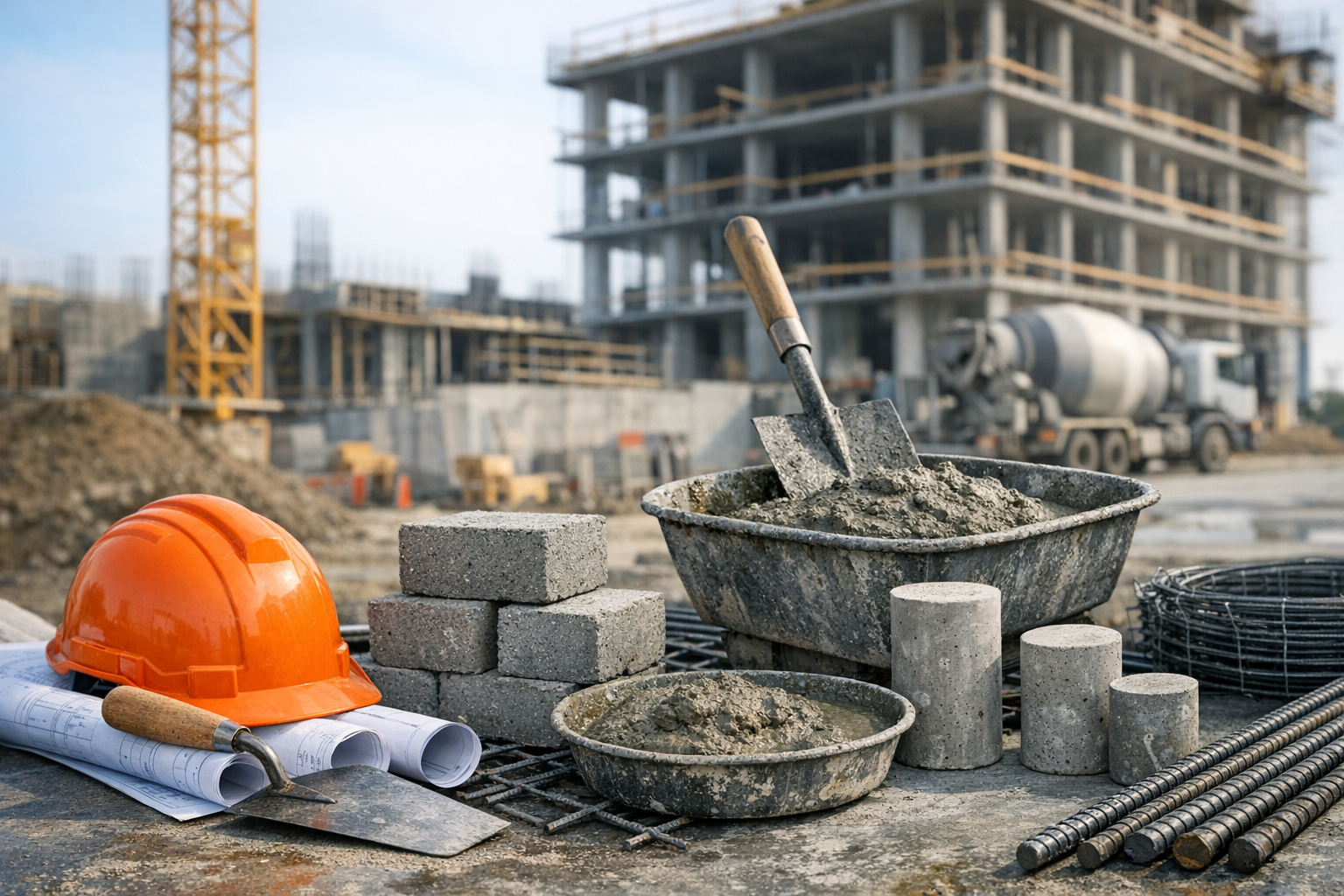
Construction concrete is one of the most widely used building materials in the world. It is made by combining cement, water, and aggregates such as sand, gravel, or crushed stone. When mixed properly, these ingredients create a durable material that can be poured into molds, shaped, and then hardened into structural elements that support everything from homes and sidewalks to bridges and high-rise buildings.
Concrete is valued for its strength, versatility, and long service life. It can be used for foundations, slabs, walls, columns, driveways, retaining walls, and decorative finishes. Because it performs well in a wide range of conditions, it remains a go-to material for both residential and commercial construction projects.
Main Ingredients and How They Work
Understanding concrete starts with its basic ingredients. Each component plays an important role in the final performance of the mix.
Cement
Cement acts as the binder. When mixed with water, it forms a paste that coats the aggregates and hardens over time through a chemical reaction called hydration.
Water
Water triggers the hardening process. The amount of water used is critical: too much can weaken the concrete, while too little can make it difficult to place and finish.
Aggregates
Aggregates provide bulk, strength, and stability. Fine aggregates like sand help fill voids, while coarse aggregates like gravel improve structural performance and reduce shrinkage.
Admixtures
Admixtures are optional additives that improve specific properties. They may increase workability, speed up setting time, reduce water demand, improve freeze-thaw resistance, or help with long-distance pumping.
Common Types of Construction Concrete
Not all concrete is the same. Different projects require different mix designs based on strength, durability, and environmental conditions.
Ready-Mix Concrete
Ready-mix concrete is produced in a batching plant and delivered to the job site in a mixer truck. It is popular because it offers consistency, convenience, and reliable quality control.
Precast Concrete
Precast concrete is cast and cured in a controlled environment before being transported to the site. It is commonly used for panels, beams, pipes, and other standardized components.
Reinforced Concrete
Reinforced concrete includes steel bars or mesh to improve tensile strength. Since concrete is strong in compression but weaker in tension, reinforcement makes it ideal for beams, slabs, and structural frames.
High-Strength Concrete
This type is designed for projects that need greater load-bearing capacity, such as tall buildings, bridges, and infrastructure exposed to heavy stress.
Lightweight and Decorative Concrete
Lightweight concrete reduces structural load, while decorative concrete can be stamped, colored, or polished for visual appeal in patios, walkways, and commercial spaces.
Key Applications in Construction
Construction concrete appears in nearly every segment of the built environment. Its flexibility makes it suitable for both structural and non-structural uses.
Foundations and Footings
Concrete foundations transfer building loads safely into the ground. Properly designed footings help prevent settlement and support long-term stability.
Slabs and Floors
Concrete slabs are used for basements, garages, warehouse floors, and ground-level construction. They provide a durable surface that can withstand heavy use.
Columns, Beams, and Walls
Structural concrete is essential in framing systems. Reinforced concrete columns, beams, and walls help buildings resist gravity, wind, and seismic forces.
Roads, Bridges, and Infrastructure
Concrete is a major material in highways, tunnels, bridge decks, culverts, and drainage systems because it can handle large loads and harsh weather conditions.
Sidewalks, Curbs, and Outdoor Surfaces
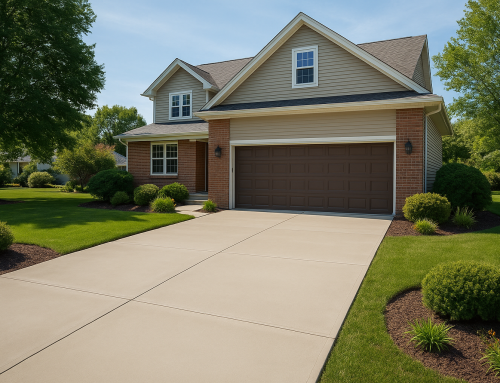
For public and private outdoor spaces, concrete offers durability and ease of maintenance. It can be finished for slip resistance or styled for decorative effect.
Benefits of Using Concrete
Concrete offers a strong mix of performance advantages that make it attractive to builders, engineers, and property owners.
- Strength: Concrete can support heavy loads and structural demands.
- Durability: It resists weather, wear, and fire better than many materials.
- Versatility: It can be formed into almost any shape or size.
- Low maintenance: Properly installed concrete often requires minimal upkeep.
- Cost-effectiveness: It provides long-term value due to its lifespan and performance.
These benefits explain why concrete continues to be a preferred choice for projects of all sizes.
Best Practices for Successful Concrete Work
Good results depend on more than just mixing ingredients. Proper planning, placement, and curing are essential to achieving strong, long-lasting concrete.
Choose the Right Mix
The mix design should match the project’s purpose. A driveway, for example, will need different performance characteristics than a bridge pier or interior slab.
Prepare the Site Properly
Base preparation is critical. The subgrade should be compacted, leveled, and cleaned before concrete is placed to reduce cracking and uneven settling.
Place and Finish Carefully
Concrete should be placed efficiently and consolidated to remove air pockets. Finishing should be done at the right time to create a smooth, durable surface without weakening the top layer.
Allow for Proper Curing
Curing helps concrete gain strength and reduces the risk of cracks. Keeping the surface moist and protected during the early stages is one of the most important steps in the process.
Plan for Reinforcement and Joints
Reinforcement adds strength where needed, while control joints help manage shrinkage cracking. Both are essential in many construction applications.
Common Challenges and How to Avoid Them
Even though concrete is reliable, problems can occur if it is not handled correctly. Common issues include cracking, scaling, segregation, poor curing, and surface defects. These problems are often caused by excessive water, poor site preparation, incorrect finishing, or exposure to extreme weather during placement.
The best way to avoid these challenges is to follow proper specifications, use quality materials, and work with experienced contractors or concrete professionals. Attention to detail at every stage can make a major difference in the finished result.
Conclusion
Construction concrete remains essential because it combines strength, adaptability, and long-term performance. Whether used for a foundation, roadway, or decorative surface, it delivers dependable results when the right mix and methods are used. With careful planning and proper installation, concrete can support safe, durable, and efficient construction for decades.