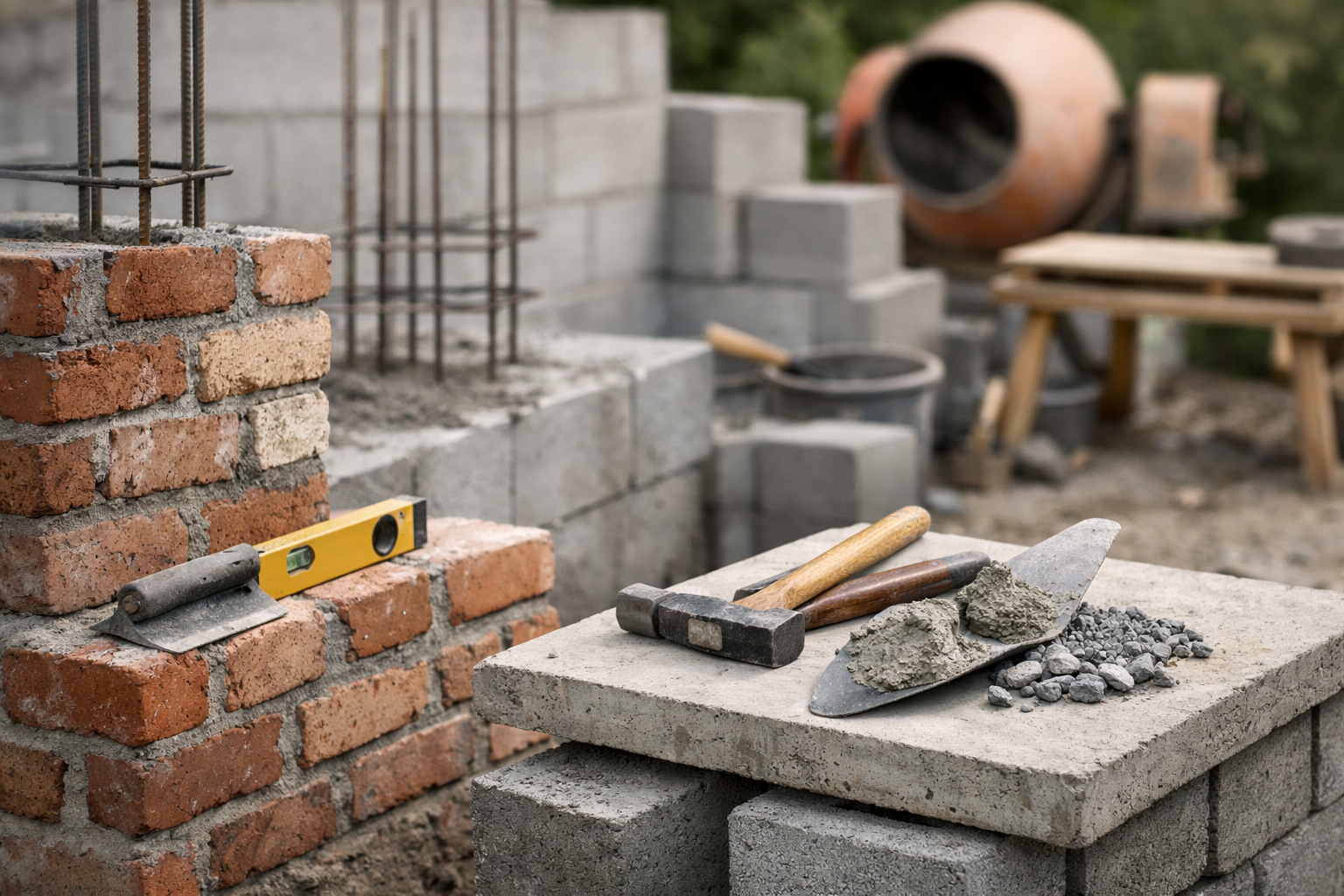
Understanding Concrete & Masonry
Concrete and masonry are two of the most trusted building materials in construction. They appear in everything from home foundations and retaining walls to patios, chimneys, walkways, and decorative features. While they are often mentioned together, each material serves a distinct purpose. Concrete is a mixture of cement, water, sand, and aggregate that hardens into a strong, versatile surface or structural element. Masonry refers to construction using individual units such as brick, stone, or block, typically joined with mortar.
Together, concrete and masonry create structures that are durable, fire-resistant, low-maintenance, and visually appealing. Whether you are planning a new build, repairing an existing structure, or improving curb appeal, understanding how these materials work can help you make better decisions.
Why Concrete & Masonry Remain So Popular
One of the biggest reasons concrete and masonry remain popular is their long lifespan. Properly installed and maintained, they can last for decades. They also perform well in a wide range of climates and conditions, which makes them a reliable choice for both residential and commercial projects.
These materials also offer a balance of function and style. A concrete driveway can be plain and practical, stamped to mimic stone, or finished in a modern polished look. Masonry can provide classic charm with brick or a natural, timeless feel with stone. This flexibility makes them ideal for homeowners and builders who want strength without sacrificing design.
Common Types of Concrete & Masonry Work
Concrete Foundations and Slabs
Foundations are among the most important uses of concrete. A strong foundation supports the structure above it and helps prevent settling, shifting, and moisture issues. Concrete slabs are also used for garages, patios, sheds, and commercial floors because they create a stable, level surface.
Driveways, Walkways, and Patios
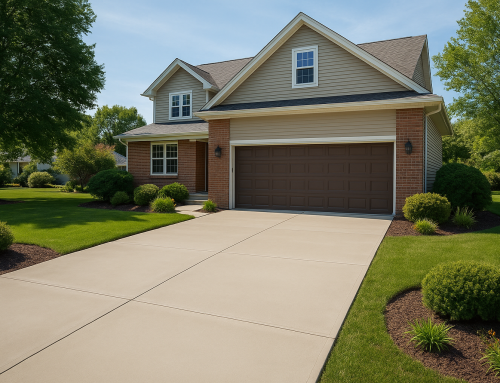
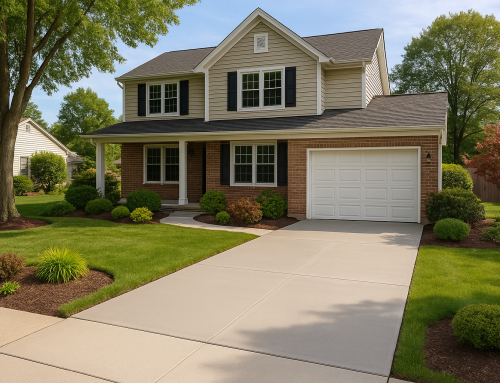
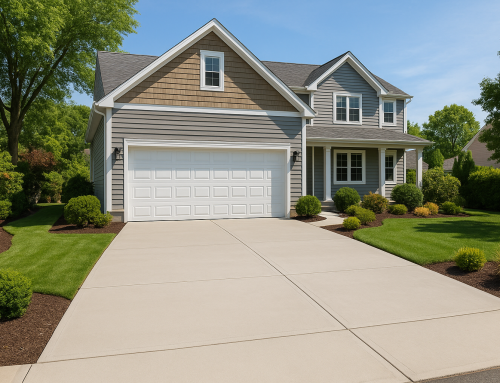
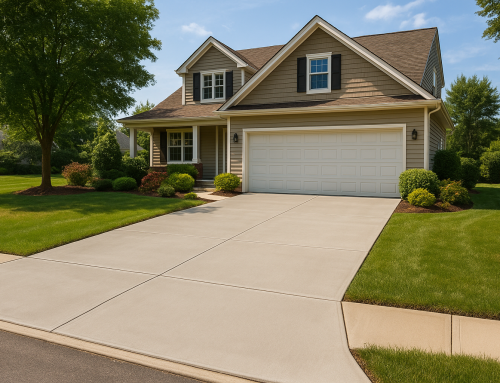
Concrete is a popular choice for outdoor hardscaping. Driveways need to handle heavy loads, walkways should be safe and durable, and patios must stand up to weather and foot traffic. Decorative finishes such as broom texture, exposed aggregate, and stamped patterns can improve both appearance and function.
Brick, Block, and Stone Masonry
Masonry projects use individual units to create walls, veneers, columns, fireplaces, and more. Brick offers a classic, uniform look. Concrete block is commonly used for structural walls and foundations. Natural stone adds texture, character, and a high-end appearance. Each material has its own benefits depending on the design goals and performance needs of the project.
Retaining Walls and Structural Features
Retaining walls are another key masonry application, especially in sloped yards or landscape designs that require soil support. These structures must be engineered carefully to handle pressure from behind the wall. When built correctly, they can also become attractive landscape features that add dimension to outdoor spaces.
Key Benefits of Concrete & Masonry
Concrete and masonry offer several advantages that make them a smart investment:
- Durability: They resist wear, impact, and weather better than many other materials.
- Fire resistance: Unlike wood, they do not burn, which improves safety.
- Low maintenance: With regular care, they require less upkeep over time.
- Energy efficiency: Masonry walls can help regulate indoor temperatures.
- Design versatility: Finishes, colors, textures, and patterns allow for a wide range of looks.
These qualities make concrete and masonry especially appealing for property owners who want materials that perform well and hold their value over time.
What Affects Quality and Longevity?
Not all concrete and masonry work is the same. The quality of the final result depends heavily on materials, workmanship, and environmental conditions. A well-planned project begins with proper site preparation. The ground must be graded and compacted correctly to prevent future settling. For concrete, the mix design must be appropriate for the job, and the pour must be placed and finished correctly. For masonry, the mortar, layout, and reinforcement need to match the structure’s requirements.
Weather also plays a major role. Extreme heat, freezing temperatures, and excess moisture can affect curing and long-term performance. That is why experienced contractors pay close attention to timing, protection, and finishing methods.
Maintenance Tips for Concrete & Masonry
Even though these materials are known for their strength, they still benefit from routine care. A few simple maintenance habits can help extend their life and keep them looking good.
- Clean surfaces regularly to remove dirt, mildew, and stains.
- Inspect for cracks, chips, or loose mortar and address issues early.
- Seal concrete surfaces when recommended to reduce water penetration and staining.
- Keep drainage systems working properly to prevent standing water around foundations and walls.
- Avoid harsh de-icing chemicals and use them sparingly on concrete surfaces in winter.
For masonry, repointing damaged mortar joints can prevent water from entering the wall. For concrete, sealing expansion joints and repairing cracks early can help stop minor problems from becoming major repairs.
Repair vs. Replacement: Knowing the Difference
Some damage can be repaired affordably, while other problems may call for replacement. Hairline cracks, minor surface spalling, and small mortar repairs are often manageable. However, widespread cracking, significant settling, leaning walls, or deep structural damage may indicate a larger issue.
If you notice movement, drainage problems, or repeated repairs in the same area, it may be time to have the structure evaluated. A professional assessment can help determine whether a patch, partial rebuild, or full replacement is the best solution.
Choosing the Right Concrete & Masonry Contractor
Selecting the right contractor is one of the most important steps in any project. Look for a company with experience in the specific type of work you need, whether that is a foundation, patio, retaining wall, brick repair, or decorative masonry. Ask about licensing, insurance, references, and examples of past projects.
It is also helpful to discuss the materials, schedule, and maintenance expectations before work begins. A good contractor will explain the process clearly, recommend the right solutions for your site, and provide a realistic timeline and budget.
Conclusion
Concrete and masonry continue to be essential building materials because they combine strength, versatility, and lasting value. From structural foundations to attractive outdoor features, they play a major role in both performance and design. With proper installation and routine care, these materials can serve your property well for many years.