Introduction
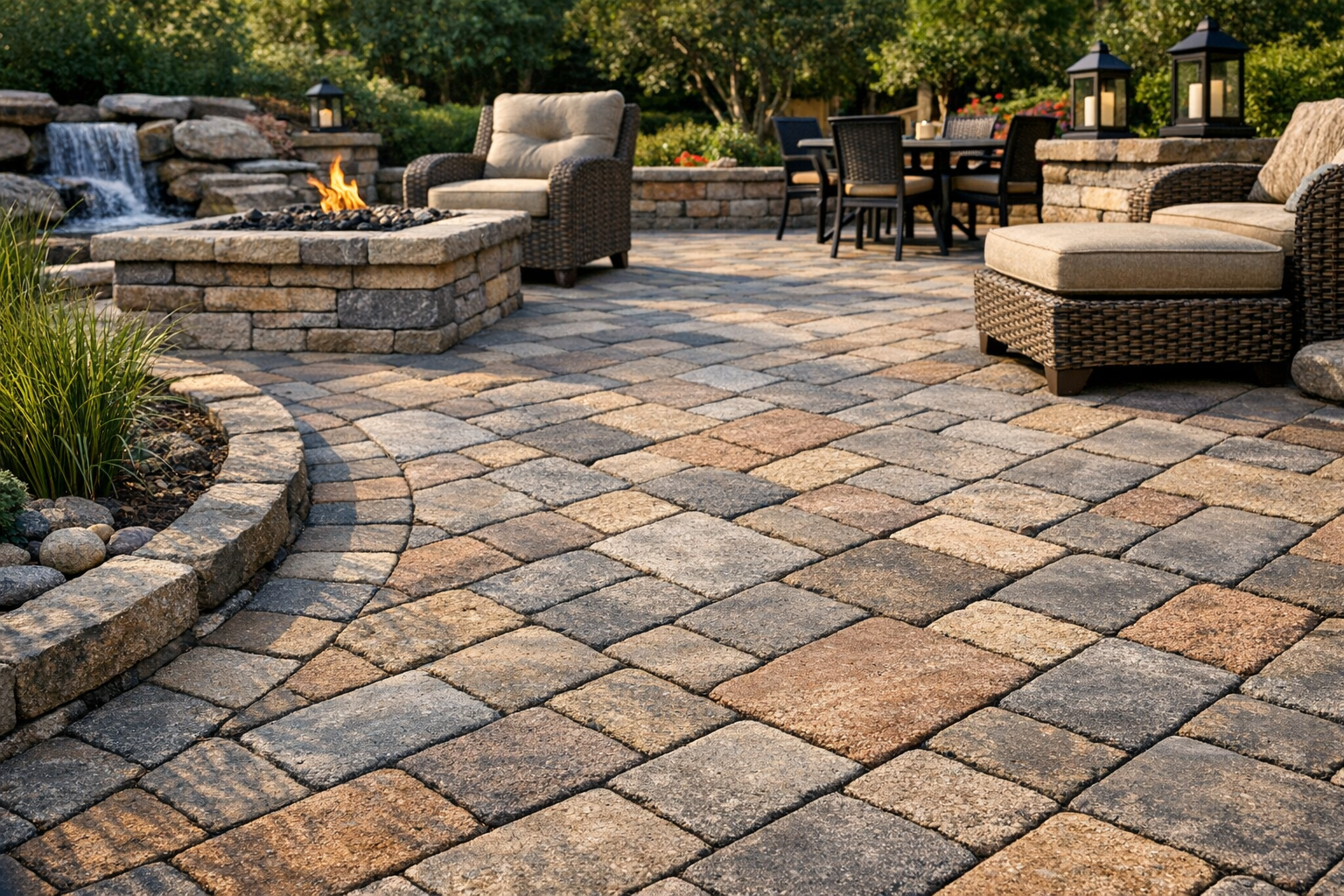
Masonry pavers are one of the most versatile materials you can choose for outdoor spaces. From patios and walkways to driveways and pool decks, they offer a balance of durability, style, and long-term value that many homeowners and property managers appreciate. Because they come in a wide range of materials, shapes, colors, and installation patterns, masonry pavers can be tailored to fit almost any design style.
Beyond appearance, pavers are popular because they are built to handle real-world conditions. They can stand up to foot traffic, vehicle weight, changing weather, and everyday wear when installed correctly. If you are planning an outdoor project, understanding what masonry pavers are and how they work can help you make a smarter decision.
What Are Masonry Pavers?
Masonry pavers are individual units made from stone, concrete, or clay that are used to create hard surfaces outdoors. Unlike poured concrete, which forms one continuous slab, pavers are laid piece by piece over a prepared base. This gives the finished surface flexibility, strength, and a distinct visual appeal.
They are commonly used in residential and commercial landscaping for driveways, garden paths, courtyards, and outdoor entertainment areas. Because they are modular, damaged pavers can often be replaced individually without redoing the entire surface. That makes them a practical choice for both new construction and renovation projects.
Types of Masonry Pavers
Concrete Pavers
Concrete pavers are among the most widely used options. They are manufactured in many sizes, finishes, and colors, making them easy to match with modern or traditional designs. They are also known for being cost-effective and durable, especially when properly installed on a stable base.
Brick Pavers
Brick pavers are made from fired clay and have a timeless, classic look. Their warm tones and textured surfaces make them a favorite for historic homes, courtyards, and decorative walkways. Brick is strong and attractive, though it may require more attention to maintain its appearance over time.
Natural Stone Pavers
Natural stone pavers, such as granite, slate, travertine, and limestone, offer a premium look with unique variations in color and texture. Since no two stones are exactly alike, they create a custom appearance that feels natural and refined. Stone pavers are often chosen for high-end patios, pool surrounds, and upscale landscapes.
Benefits of Using Masonry Pavers
One of the biggest advantages of masonry pavers is durability. When installed on the correct base, they can last for decades and handle heavy use without cracking the way a solid slab might. Their interlocking design also helps distribute weight effectively, which is especially useful for driveways and other load-bearing areas.
Pavers are also attractive because they offer design flexibility. You can choose from different shapes, colors, and laying patterns to create anything from a clean contemporary look to a rustic, old-world feel. This makes them ideal for homeowners who want an outdoor surface that complements the style of their property.
Another benefit is ease of repair. If a section becomes stained, damaged, or uneven, individual pavers can usually be lifted and replaced. That is often simpler and less expensive than repairing cracked concrete.
Masonry pavers can also improve drainage when installed correctly. The joints between the units help manage water flow, reducing puddling and runoff in many applications. This is especially helpful in areas that experience frequent rain or freeze-thaw cycles.
Common Applications
Masonry pavers are used in many outdoor projects because they combine function with curb appeal. Patios are one of the most common applications, giving homeowners a comfortable and attractive place to relax or entertain. Walkways and garden paths benefit from the defined structure pavers provide, while driveways require the strength and stability that quality paver systems can deliver.
They are also a popular choice around pools and water features because they can create a polished, cohesive look. In commercial settings, pavers are often used for plazas, courtyards, and entryways where appearance and performance both matter. Their versatility makes them suitable for nearly any landscape design.
Installation Basics
Proper installation is essential to getting the best results from masonry pavers. The process typically begins with excavation and grading to create a stable foundation. A compacted base of crushed stone is then added, followed by a bedding layer that helps support the pavers evenly.
Once the pavers are laid in the chosen pattern, edge restraints are installed to keep them in place. Joint sand is then swept between the pavers to lock them together and help reduce shifting. In some cases, polymeric sand is used to improve stability and limit weed growth.
Although paver installation may look straightforward, careful preparation makes a major difference in the final result. Poor base work can lead to sinking, uneven surfaces, or drainage problems later on. For larger or more complex projects, professional installation is often the best way to protect your investment.
Maintenance Tips
Masonry pavers are relatively low maintenance, but regular care helps preserve their appearance and performance. Sweeping away leaves, dirt, and debris prevents buildup in the joints and on the surface. Occasional washing with water or a mild cleaner can remove grime and keep colors looking fresh.
Sealing may be recommended for certain paver types, especially if you want to enhance color, reduce staining, or make cleaning easier. It is also important to inspect the surface from time to time for settling, joint loss, or weeds. Addressing small issues early can prevent bigger repairs later.
In colder climates, snow and ice removal should be done carefully. Metal blades and harsh chemicals can damage some paver finishes, so using the right tools and products is important. With simple routine upkeep, masonry pavers can stay functional and attractive for many years.
Choosing the Right Masonry Pavers for Your Project
The best paver choice depends on how the space will be used and what look you want to achieve. For high-traffic driveways, strength and thickness are especially important. For patios and walkways, you may prioritize color, texture, and comfort underfoot.
It is also worth considering climate, maintenance preferences, and budget. Concrete pavers often provide a practical blend of affordability and style, while natural stone may be worth the investment if you want a more elevated look. Brick can be a strong choice for traditional designs and classic curb appeal.
Before making a decision, review product samples in natural light and think about how the pavers will coordinate with your home’s exterior, landscaping, and hardscape features. A well-chosen paver can tie the entire outdoor space together.
Conclusion
Masonry pavers are a smart solution for outdoor surfaces that need to look good and perform well. With options ranging from concrete and brick to natural stone, they offer flexibility for nearly any project. By choosing the right material and ensuring proper installation, you can create a durable, attractive surface that adds value to your property for years to come.