Concrete Pricing: What It Costs and What Affects the Price
Concrete is one of the most widely used building materials for driveways, patios, sidewalks, slabs, and foundations. It is durable, versatile, and often more affordable than many other hardscape options. Still, concrete pricing can vary a lot depending on the size of the project, the type of finish, local labor rates, and site conditions. If you are planning a project, understanding how concrete is priced can help you budget more accurately and avoid surprises.
How Concrete Pricing Is Calculated
Concrete is usually priced by the cubic yard, especially for ready-mix deliveries. A cubic yard covers a specific volume of concrete, and the total price depends on how much material you need. For smaller jobs, contractors may also quote by square foot, particularly for flatwork like patios or driveways.
The basic formula is simple: the larger and thicker the project, the more concrete you need. But the final cost includes more than just the material. Labor, delivery fees, formwork, reinforcement, finishing, and site preparation all influence the total price.
Typical Cost Range
Concrete pricing can vary by region, but a common range for basic ready-mix concrete is often around $120 to $180 per cubic yard. Installed concrete projects usually cost more because they include labor and finishing. For example, a simple concrete slab may cost roughly $6 to $12 per square foot, while decorative or reinforced concrete can cost significantly more.
Keep in mind that these are general estimates. Local supply costs, fuel surcharges, and seasonal demand can all shift prices up or down.
Factors That Affect Concrete Pricing
Several key factors can change the price of your project. Knowing them ahead of time makes it easier to compare estimates and understand why one quote may be higher than another.
Project Size and Thickness
Larger projects require more material, more labor, and more time. Thickness also matters. A driveway or slab that is 6 inches thick will cost more than one that is 4 inches thick because it uses more concrete. If heavy loads are involved, thicker concrete may be necessary, which increases the budget.
Concrete Mix Type
Not all concrete mixes are the same. Standard mixes are usually the most affordable, while high-strength mixes, fiber-reinforced concrete, or mixes designed for special conditions cost more. If your project needs to handle freeze-thaw cycles, heavy traffic, or moisture exposure, the mix may need to be upgraded.
Labor Costs
Labor is a major part of concrete pricing. Concrete work requires preparation, pouring, leveling, finishing, and curing. More experienced crews may charge more, but they often deliver better results and fewer future repairs. Complex projects also require more time and skill, increasing labor expenses.
Site Preparation
If the ground needs grading, excavation, or removal of old material, the price will rise. A flat, accessible site is easier and cheaper to work on than a sloped or cramped area. Poor soil conditions may also require extra base material or stabilization.
Reinforcement and Accessories
Rebar, wire mesh, control joints, vapor barriers, and insulation can all add to the total cost. These items improve strength, reduce cracking, and help the concrete perform better over time. While they increase upfront pricing, they can save money on repairs later.
Finishing Options
Basic broom finishes are usually the most economical. Decorative finishes such as stamped concrete, exposed aggregate, staining, or coloring increase the cost because they require additional materials and labor. The more customized the finish, the more you should expect to pay.
Location and Delivery Distance
Concrete delivery fees may depend on how far the truck needs to travel. Remote areas or difficult access points can raise transportation costs. In some areas, local concrete shortages or high demand during peak construction season can also push prices higher.
Common Concrete Project Costs
Here is a general look at what different projects may cost. These figures are estimates and should be used as a starting point only.
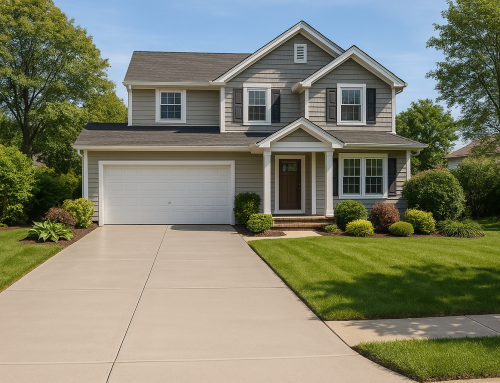
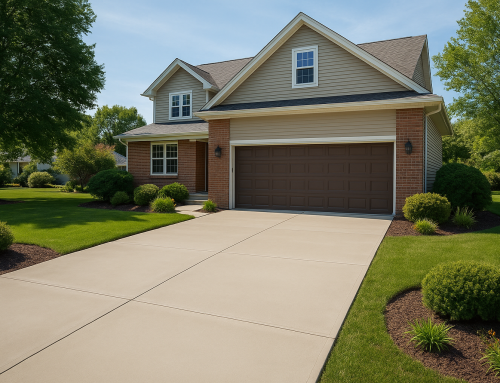
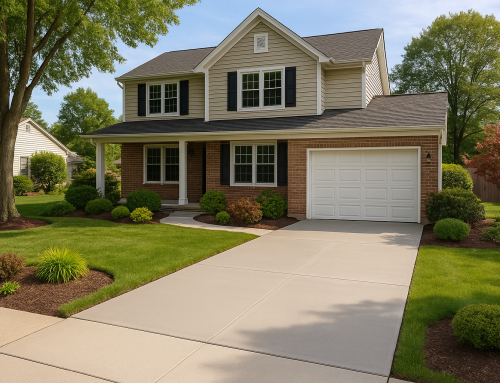
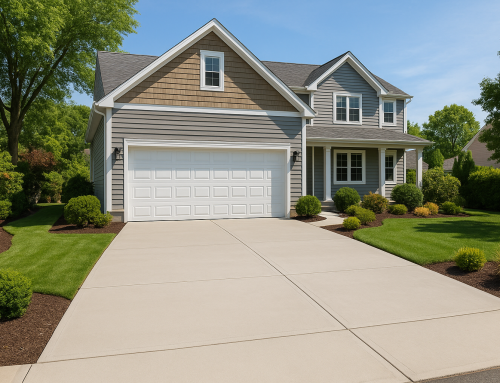
- Concrete driveway: Often $4,000 to $10,000 or more depending on size and finish
- Concrete patio: Often $2,000 to $6,000 for a standard installation
- Concrete slab: Often $6 to $12 per square foot installed
- Sidewalk: Often $8 to $15 per square foot installed
- Decorative concrete: Can range from $12 to $25+ per square foot
These ranges show how much the finish, thickness, and installation complexity affect pricing. A basic gray slab will usually cost far less than a custom stamped or stained surface.
How to Save Money on Concrete Pricing
If you want to keep costs under control, there are several smart ways to save without sacrificing quality.
- Choose a simple finish: Basic broom finishes are attractive and cost-effective.
- Get multiple quotes: Comparing contractors can help you find fair pricing.
- Plan during off-peak seasons: In some regions, scheduling work outside the busy season may lower costs.
- Prepare the site in advance: Clearing the area and handling simple prep work can reduce labor costs.
- Use the right thickness: Don’t overbuild the slab if your project does not require it.
It is important not to cut corners on essential steps like base preparation or reinforcement. Saving a little upfront can lead to expensive repairs if the concrete cracks or settles too soon.
Why the Cheapest Quote Is Not Always the Best
When comparing concrete pricing, it is tempting to choose the lowest estimate. However, the cheapest quote may leave out important details such as site prep, reinforcement, or proper finishing. It may also come from a contractor using lower-quality materials or rushed labor.
A fair quote should clearly explain what is included, from excavation and delivery to finishing and cleanup. Good concrete work is an investment, and quality installation often pays off through longer life and fewer maintenance issues.
Conclusion
Concrete pricing depends on more than just material costs. Project size, thickness, labor, site prep, finish type, and location all play a role in the final number. By understanding these factors, you can make better decisions, compare estimates more confidently, and choose the right option for your budget. Whether you are planning a driveway, patio, slab, or decorative surface, taking time to review pricing details will help you get the best value for your project.