Introduction
Stone work has been valued for centuries because it combines strength, beauty, and timeless appeal. From historic buildings and garden paths to modern fireplaces and exterior facades, stone brings a natural character that few other materials can match. Whether you are planning a small home improvement project or a large outdoor renovation, understanding the basics of stone work can help you make better design choices and achieve lasting results.
In this guide, we will explore what stone work is, the most common types of stone used, the benefits it offers, and the best ways to plan, maintain, and care for stone surfaces. If you want a material that stands up well to wear while adding lasting visual value, stone work is often an excellent choice.
What Is Stone Work?
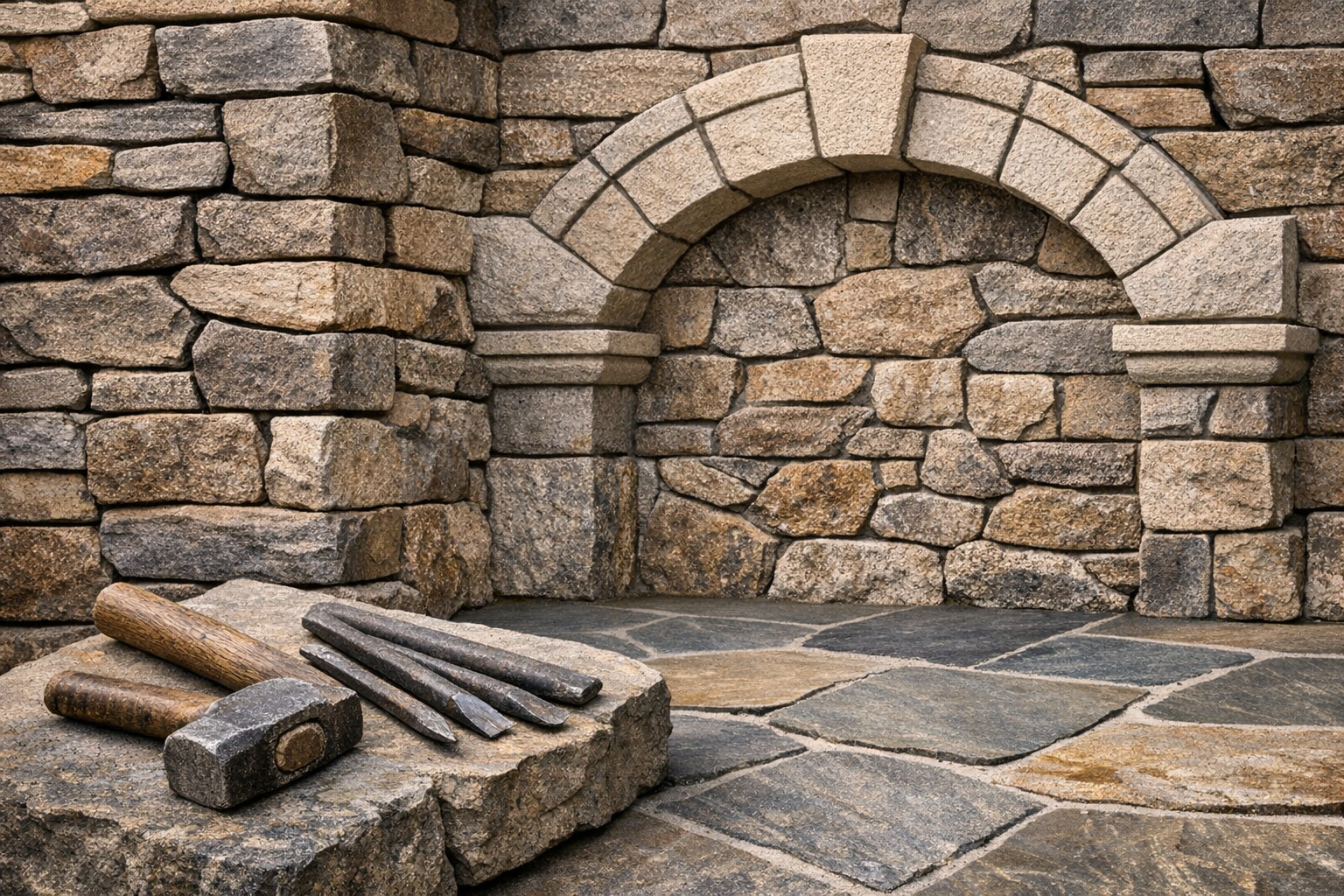
Stone work refers to the use, shaping, and installation of stone in construction and design projects. It can include structural applications such as walls, foundations, retaining walls, and columns, as well as decorative features like patios, pathways, countertops, and accent walls.
In traditional craftsmanship, stone work often involved skilled masons cutting and fitting stones by hand. Today, the term can also describe modern installations using natural stone, manufactured stone veneer, or carefully cut stone components. No matter the method, the goal is the same: to create surfaces and structures that are strong, attractive, and long-lasting.
Common Types of Stone Used in Stone Work
Granite
Granite is one of the hardest and most durable natural stones. It is commonly used for countertops, flooring, outdoor steps, and cladding. Its dense composition makes it highly resistant to scratches, heat, and daily wear.
Marble
Marble is known for its elegant veining and polished finish. It is often used in bathrooms, fireplaces, decorative walls, and interior flooring. While beautiful, marble is softer than granite and may require more careful maintenance.
Limestone
Limestone offers a softer, more natural appearance with warm earthy tones. It is popular for walls, flooring, garden features, and exterior details. Because it is more porous, sealing is often recommended to help protect it from staining.
Slate
Slate is a durable stone with a layered texture and rich color variations. It works well for roofing, flooring, wall accents, and outdoor paving. Its slip resistance also makes it a practical option for walkways and wet areas.
Sandstone
Sandstone has a classic, natural look that blends well with landscape designs. It is often used for patios, garden walls, and exterior stone work. Its texture and color range make it appealing for rustic and traditional styles.
Benefits of Stone Work
Stone work offers a combination of practical and aesthetic benefits that make it a popular choice in both residential and commercial settings.
Long-Lasting Durability
One of the greatest advantages of stone is its durability. Properly installed stone surfaces can last for decades, and in some cases, much longer. Stone holds up well under heavy use, weather changes, and everyday stress.
Timeless Appearance
Stone has a natural elegance that does not go out of style. Whether your home design is modern, rustic, traditional, or contemporary, stone can enhance the overall look and add a sense of permanence.
Low Maintenance
Many stone surfaces require only basic cleaning and occasional sealing to remain in good condition. Compared with some other materials, stone can be relatively easy to care for over the long term.
Improved Property Value
Quality stone work often adds value to a property because it is seen as a premium feature. A well-designed stone patio, fireplace, or façade can improve curb appeal and make a space more attractive to buyers.
Versatility
Stone can be used indoors and outdoors in a wide range of applications. It works equally well for structural projects, decorative accents, and functional surfaces, giving homeowners and designers many creative options.
Popular Stone Work Applications
Exterior Walls and Facades
Stone exteriors create a bold and refined first impression. They can be used for full façades or as accent features to highlight entrances, chimneys, and architectural details.
Patios and Walkways
Stone patios and walkways add charm and function to outdoor living spaces. They can be designed in formal layouts or more natural patterns, depending on the style of the property.
Fireplaces
A stone fireplace can become the centerpiece of a living room, patio, or outdoor entertainment area. The texture and warmth of stone help create a cozy, welcoming atmosphere.
Retaining Walls
Retaining walls built with stone are both practical and attractive. They help manage slopes, create usable garden areas, and add visual structure to landscaping.
Countertops and Interior Features
In kitchens and bathrooms, stone countertops and backsplashes offer a refined look with strong performance. Stone can also be used for accent walls, staircases, and flooring to bring natural character indoors.
Things to Consider Before Starting a Stone Work Project
Before beginning a stone work project, it is important to think through a few key details. The right planning can save time, reduce costs, and help ensure the final result meets your expectations.
Purpose of the Project
Start by identifying how the stone will be used. A decorative wall has different requirements from a load-bearing structure or a high-traffic walkway. The purpose will help determine the best material and installation approach.
Stone Type and Finish
Different stones offer different strengths, colors, textures, and maintenance needs. Consider whether you want a polished, honed, natural, or rough finish based on the look and performance you need.
Budget
Stone work can vary widely in cost depending on the type of stone, labor, project size, and complexity. Setting a realistic budget early helps narrow your options and avoids surprises during installation.
Climate and Exposure
For outdoor projects, think about weather conditions, moisture, freeze-thaw cycles, and sun exposure. Some stones perform better than others in certain environments, so choosing the right material is essential.
Professional Installation
While some small stone projects can be handled by experienced DIYers, larger or more complex work is often best left to professionals. Proper base preparation, leveling, cutting, and sealing are all important for a strong and lasting installation.
Maintaining Stone Work
With the right care, stone work can remain beautiful for many years. Maintenance needs depend on the type of stone and where it is installed, but a few basic habits go a long way.
Regular cleaning with a mild soap and water solution helps prevent dirt buildup. Avoid harsh chemicals or abrasive tools that can damage the surface. For porous stones, periodic sealing can help protect against moisture, stains, and wear. Outdoor stone should also be checked occasionally for cracks, shifting, or drainage issues, especially after extreme weather.
Conclusion
Stone work is a smart investment for anyone looking to combine beauty, durability, and lasting value. With so many stone types and applications available, it is possible to create designs that are both functional and visually impressive. By choosing the right material, planning carefully, and maintaining the finished surface properly, you can enjoy the benefits of stone work for many years to come.