
Introduction
Concrete is one of the most durable and versatile materials used in homes and commercial properties. From driveways and patios to foundations and sidewalks, quality concrete work adds strength, function, and curb appeal. Whether you are planning a new installation or need repairs, understanding concrete service can help you make better decisions and get lasting results.
Professional concrete service is about more than pouring and leveling a slab. It involves proper planning, site preparation, material selection, finishing, and curing. When each step is handled correctly, the result is a surface that performs well and stands up to weather, wear, and time.
What Is Concrete Service?
Concrete service refers to the full range of work related to concrete installation, repair, replacement, and maintenance. A concrete contractor may handle small residential projects or larger commercial jobs, depending on their experience and equipment.
Common concrete services include:
- Driveway installation and replacement
- Patios, walkways, and sidewalks
- Foundations and slabs
- Stamped or decorative concrete
- Concrete repair and resurfacing
- Concrete removal and demolition
- Sealing and maintenance
Each project requires a different approach, but the goal is always the same: to create a strong, stable, and attractive concrete surface that meets the needs of the property.
Types of Concrete Services
Residential Concrete Services
Homeowners often need concrete for driveways, garage floors, patios, steps, pool decks, and foundations. Residential concrete services are designed to improve both functionality and appearance. For example, a new driveway can boost curb appeal, while a backyard patio can create a comfortable outdoor living space.
Decorative options such as stamped or colored concrete are also popular in residential projects. These finishes can mimic brick, stone, or tile while offering the strength and lower maintenance of concrete.
Commercial Concrete Services
Commercial properties rely on concrete for parking lots, loading docks, warehouse floors, sidewalks, and structural foundations. These projects often involve heavier loads and stricter specifications than residential work. A skilled contractor must consider drainage, traffic flow, safety, and long-term durability.
Because business operations depend on reliable surfaces, commercial concrete work usually requires careful scheduling and efficient project management to minimize downtime.
Concrete Repair and Restoration
Not every concrete issue calls for a full replacement. Cracks, spalling, uneven slabs, and surface wear can often be addressed through repair or restoration. Depending on the damage, a contractor may recommend patching, leveling, resurfacing, or sealing.
Timely repairs can prevent small problems from becoming expensive structural concerns. For instance, sealing cracks early can help keep water out and reduce the risk of further deterioration.
Benefits of Professional Concrete Service
Hiring a professional for concrete work offers several important advantages. First, experienced contractors understand how to prepare the site properly, which is essential for long-term performance. Poor soil preparation or incorrect mix ratios can lead to cracking, settling, or early failure.
Second, professionals have the tools and knowledge needed to deliver a clean, consistent finish. This matters not only for appearance but also for safety and function. Proper slope, smooth edges, and correct curing all contribute to a successful project.
Third, professional concrete service can save money over time. While it may be tempting to choose the lowest bid or attempt a do-it-yourself project, mistakes in concrete work are often costly to fix. A well-installed surface usually lasts longer and requires less maintenance.
How the Concrete Service Process Works
Although every project is different, most concrete jobs follow a similar process. Understanding these steps can help set realistic expectations.
1. Consultation and Planning
The process usually begins with a consultation. The contractor assesses the site, discusses your goals, takes measurements, and recommends materials or design options. This is the time to ask about thickness, reinforcement, drainage, finish types, and project timelines.
2. Site Preparation
Before concrete is poured, the area must be cleared, graded, and compacted. Proper preparation helps support the slab and reduce future movement. Forms are then installed to shape the concrete and keep it in place during pouring.
3. Pouring and Finishing
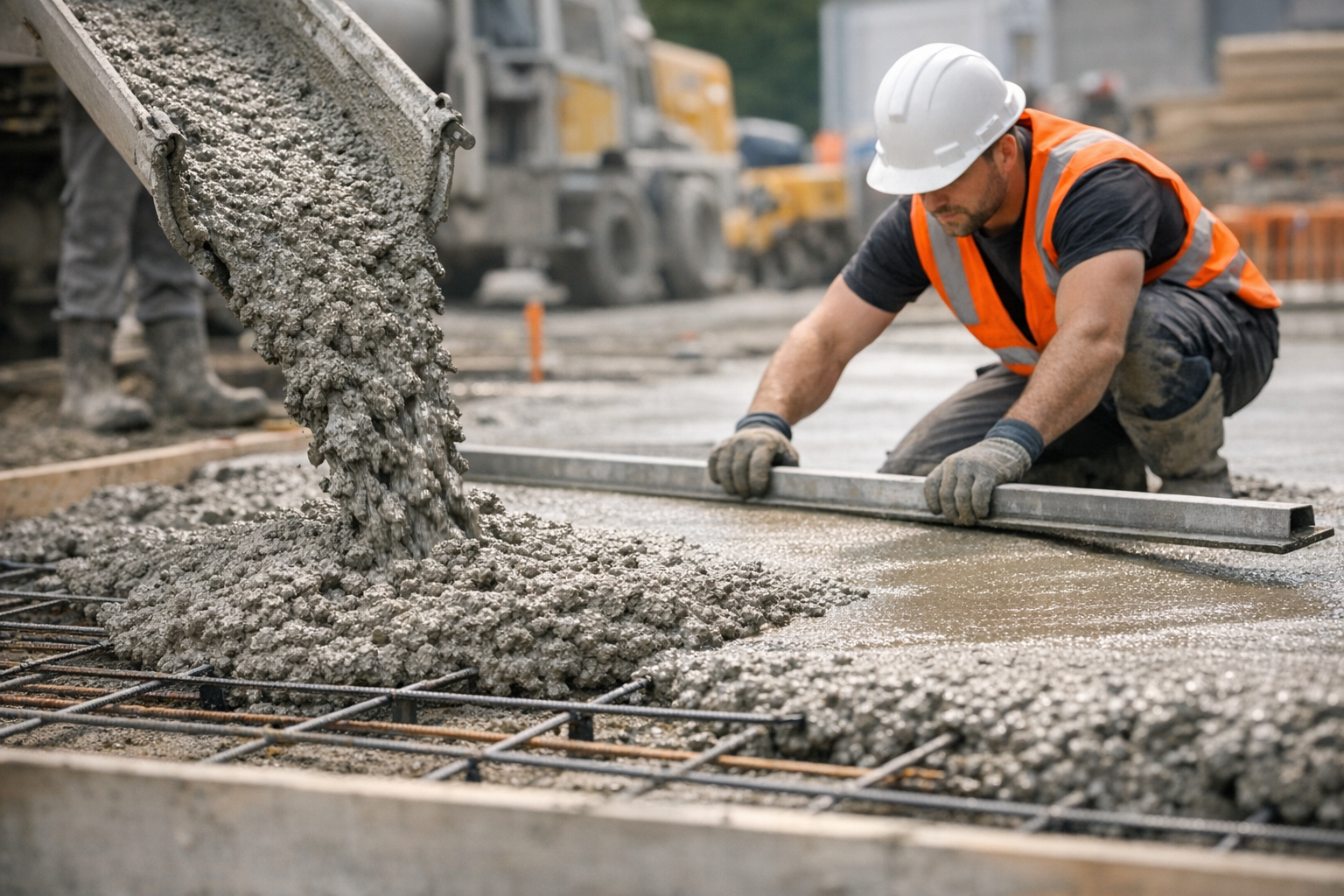
Once the site is ready, the concrete is mixed, delivered, and poured. Workers spread it evenly, remove air pockets, and level the surface. Depending on the project, the contractor may apply a broom finish, smooth finish, stamped pattern, or another decorative treatment.
4. Curing and Sealing
Curing is one of the most important steps in concrete service. It allows the material to gain strength gradually and helps reduce cracking. After curing, some projects may also benefit from sealing, which adds protection against moisture, stains, and surface damage.
Signs You May Need Concrete Repair
Concrete is strong, but it is not indestructible. Over time, weather, heavy use, tree roots, and shifting soil can cause damage. Watch for these signs that repair may be needed:
- Visible cracks that grow over time
- Uneven or sunken sections
- Chipping, flaking, or spalling
- Puddling water after rain
- Loose or crumbling edges
- Stains or surface discoloration
If you notice any of these issues, it is a good idea to contact a contractor sooner rather than later. Early action can reduce repair costs and extend the life of the concrete.
How to Choose the Right Concrete Contractor
Choosing the right contractor is one of the most important parts of any concrete project. Start by looking for a company with experience in the type of work you need. A contractor who specializes in decorative patios may not be the best fit for a commercial slab or foundation.
It also helps to check reviews, ask for references, and review photos of past projects. A trustworthy contractor should be willing to explain the process, provide a clear estimate, and answer your questions. Make sure the estimate includes labor, materials, preparation, cleanup, and any additional features.
Finally, ask about licensing, insurance, warranties, and expected timelines. A professional concrete service provider should communicate clearly and stand behind the quality of their work.
Conclusion
Concrete service plays a major role in the strength, safety, and appearance of residential and commercial properties. From installation to repair, the right contractor can help ensure your project is built to last. By understanding the process and knowing what to look for, you can feel more confident in your next concrete project.