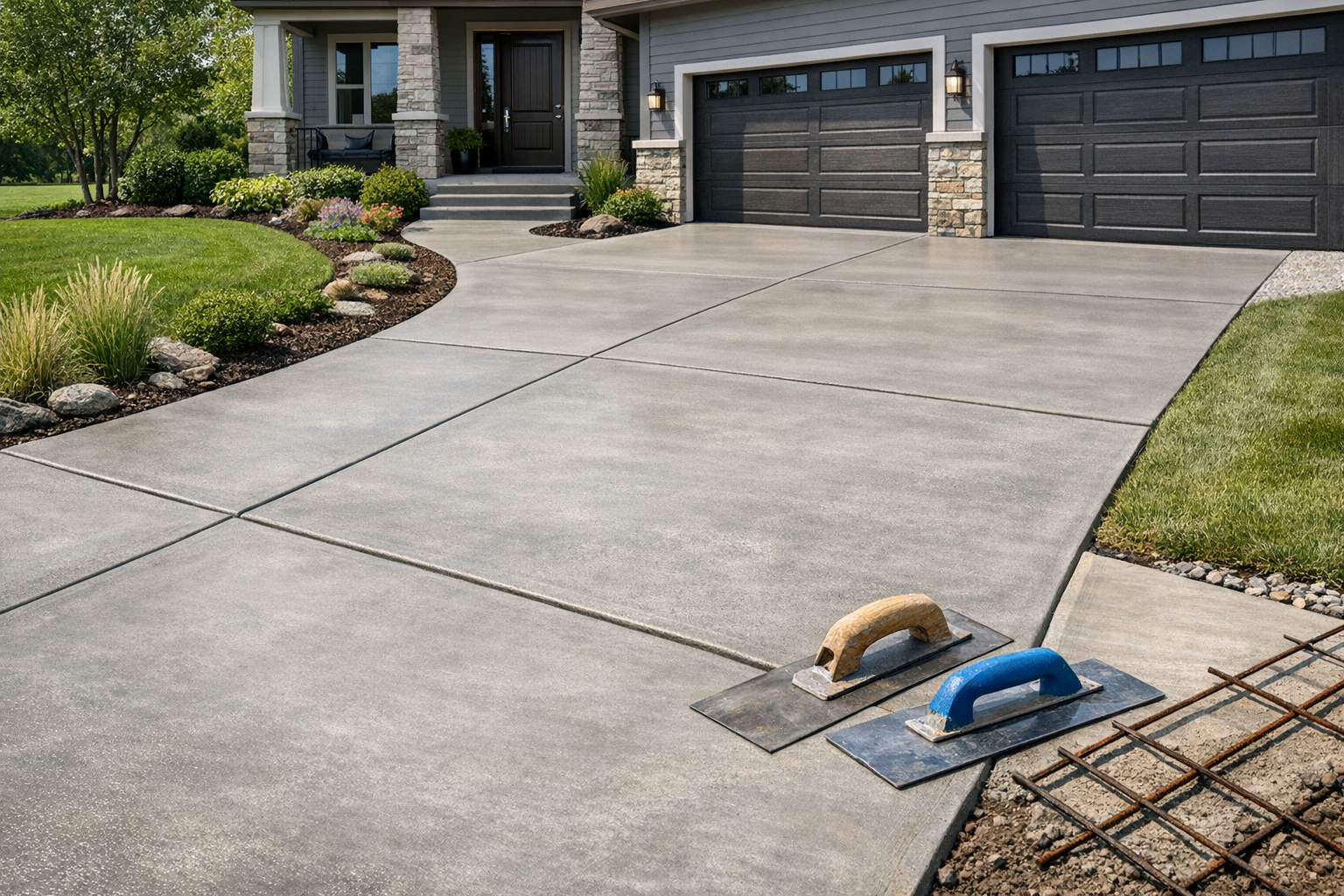
Concrete and Driveway Basics
A driveway does more than connect your home to the street. It shapes curb appeal, supports daily traffic, and affects how much maintenance you will need over time. When homeowners compare materials, concrete is often a top choice because it offers a strong balance of durability, clean appearance, and long-term value. A well-built concrete driveway can last for decades with proper installation and routine care.
Concrete driveways are especially popular for homes that need a sturdy surface for cars, trucks, RVs, or frequent use. Unlike gravel, which can shift and rut, or asphalt, which may soften in heat, concrete provides a solid, stable surface. It also works well with many home styles, from modern builds to traditional properties.
What Makes Concrete a Strong Driveway Material?
Concrete is made from cement, water, sand, and aggregate, creating a rigid surface that can handle substantial weight. Its strength makes it ideal for driveways that see regular traffic. When properly mixed and poured, concrete resists deformation and provides a smooth driving surface.
Another advantage is versatility. Concrete can be finished in several ways, including broom finish, stamped patterns, exposed aggregate, or colored designs. This means a driveway can be both functional and attractive.
Benefits of a Concrete Driveway
There are several reasons homeowners choose concrete over other driveway materials. One of the biggest benefits is longevity. A well-maintained concrete driveway can last 25 to 30 years or more, making it a smart long-term investment.
Concrete also requires less day-to-day maintenance than many alternatives. It does not need sealing as often as asphalt, and it is easier to clean with simple sweeping, rinsing, or pressure washing. For homeowners who want a practical surface without constant upkeep, concrete is appealing.
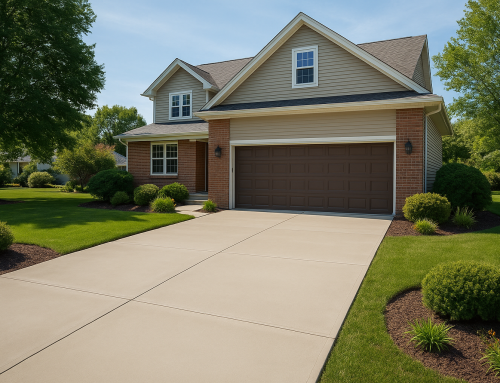
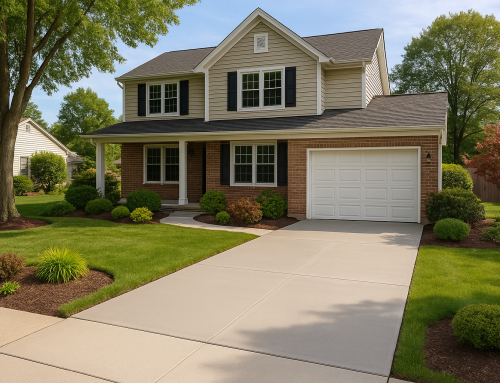
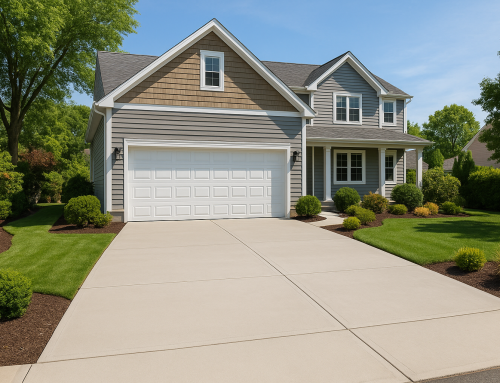
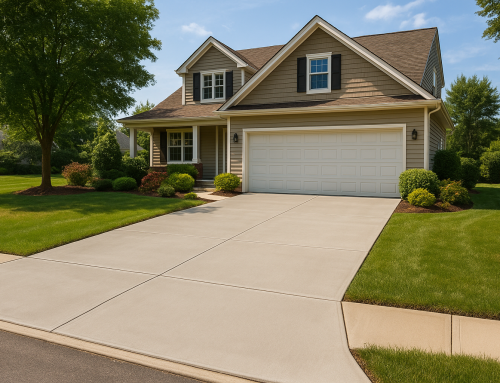
Appearance is another major benefit. Concrete offers a neat, polished look that boosts curb appeal. It can be customized to complement your home, whether you prefer a classic gray slab or a decorative finish with texture and color.
Durability and Load-Bearing Strength
One of the biggest concerns for any driveway is whether it can support vehicles without cracking or sinking. Concrete performs well in this area because it distributes weight evenly across the slab. When installed over a properly prepared base, it can support cars and heavier vehicles with ease.
For homes with multiple vehicles or larger delivery trucks, a reinforced concrete driveway can provide added confidence. Steel reinforcement, thicker slabs, and proper joint placement all help improve performance over time.
Low Maintenance Compared to Other Materials
Concrete driveways are relatively easy to care for. Basic maintenance usually includes removing debris, washing away stains, and checking for cracks or joint issues. Sealing the surface every few years can help protect against moisture, salt, and surface wear.
Compared to materials that need frequent resurfacing or topping off, concrete is a more straightforward option. This lower maintenance burden is part of why so many homeowners choose it for long-term use.
Important Factors in Concrete Driveway Installation
The quality of a concrete driveway depends heavily on how it is installed. Even premium materials can fail early if the base is poorly prepared or the slab is too thin. A successful installation begins with proper grading, drainage, and compacted sub-base material.
Good drainage is essential. Water that pools under or around the driveway can weaken the base, lead to cracking, or cause frost heave in colder climates. The driveway should be sloped to direct water away from the home and prevent standing water.
Sub-Base Preparation
The layer beneath the concrete is just as important as the slab itself. A compacted gravel or crushed stone base provides stability and helps with drainage. Without a solid sub-base, the concrete may shift, settle unevenly, or crack under pressure.
Professional installers take time to level and compact the base carefully. This step helps the driveway remain strong and even for many years.
Thickness, Reinforcement, and Joints
Standard residential driveways are usually poured at a thickness of about four inches, though heavier-use areas may require more. Reinforcement, such as rebar or wire mesh, can help minimize cracking and improve structural integrity.
Control joints are also important. These intentional grooves encourage cracks to form in a controlled location rather than randomly across the slab. When placed correctly, joints help preserve both the appearance and function of the driveway.
Design Options for a Better Curb Appeal
Concrete does not have to be plain. In fact, many modern driveways use decorative techniques to add visual interest and increase property value. Stamped concrete can mimic stone, brick, or tile, while stained or dyed concrete adds rich color to the surface.
Homeowners can also choose exposed aggregate for a textured, slip-resistant finish. Borders, saw-cut patterns, and custom edges are other ways to make a driveway stand out. These design choices can turn a standard driveway into an attractive entrance that complements landscaping and architecture.
Color and Finish Choices
Color can dramatically change the feel of a driveway. A light gray finish looks clean and modern, while earth tones can help the slab blend into natural surroundings. Brushed finishes offer traction and a simple appearance, while polished or decorative finishes create a more refined look.
The best choice depends on style, climate, and how the driveway will be used. A professional contractor can help match the finish to your goals and budget.
Maintenance Tips to Extend Driveway Life
Although concrete is durable, it still benefits from regular care. Cleaning spills quickly can help prevent stains from oil, rust, or chemicals. During winter, using de-icing products sparingly is wise because some salts can damage the surface over time.
Cracks should be addressed early before they widen. Small repairs can prevent moisture from entering the slab and causing larger problems later. Resealing the driveway as needed can also protect the surface from weather and wear.
If trees are planted nearby, keep an eye on roots that may lift or stress the slab. Proper landscaping and drainage planning can reduce the risk of future damage.
When to Repair or Replace a Concrete Driveway
Minor cracks, surface staining, or small areas of wear may be repaired without replacing the entire driveway. However, widespread cracking, sinking, drainage failure, or major surface breakdown may indicate it is time for replacement.
Replacement can be a worthwhile investment if the existing slab is beyond repair or if you want to improve the layout, widen the driveway, or upgrade the finish. A professional evaluation can help determine the most cost-effective solution.
Conclusion
Concrete and driveway projects go hand in hand when you want a surface that is dependable, attractive, and built for long-term use. With proper installation, smart design choices, and routine maintenance, a concrete driveway can provide years of reliable service while improving the look of your home. Whether you are building a new driveway or replacing an old one, concrete remains one of the most practical and rewarding options available.